





Hey there! As a supplier of switch terminals, I've seen firsthand the common issues that can pop up with these crucial components. In this blog, I'll share some of the most frequently encountered problems and offer a few insights on how to deal with them.
Loose Connections
One of the most common problems with switch terminals is loose connections. Over time, vibrations, temperature changes, and general wear and tear can cause the terminal screws to loosen. When this happens, it can lead to increased resistance at the connection point, which in turn can cause overheating.
You can imagine it like a bottleneck in a water pipe. If the connection is loose, the electrical current has a harder time flowing through, and that extra resistance generates heat. This overheating not only reduces the efficiency of the electrical system but also poses a serious fire hazard.
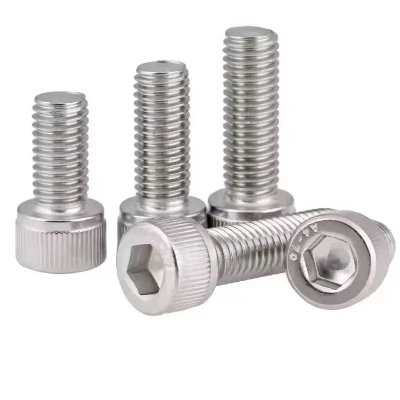
To prevent loose connections, it's important to conduct regular inspections and tighten the terminal screws as needed. You can use a torque wrench to ensure that the screws are tightened to the manufacturer's specifications. Also, consider using anti - vibration washers or locknuts, which can help keep the screws in place.
Corrosion
Corrosion is another major headache when it comes to switch terminals. Whether it's due to exposure to moisture, chemicals in the environment, or just the natural oxidation process, corrosion can build up on the terminal surfaces. This corrosion can act as an insulator, increasing the resistance and disrupting the flow of electrical current.
For example, in a humid industrial environment, the terminals can start to rust or develop a layer of oxides. This not only affects the electrical performance but can also lead to mechanical issues, such as the terminal becoming brittle and breaking.
One way to combat corrosion is to choose switch terminals made from corrosion - resistant materials like stainless steel or copper with a protective coating. Additionally, you can use anti - corrosion sprays or greases on the terminals. Regular cleaning can also help remove any existing corrosion.
Incorrect Sizing
Using switch terminals that are not the right size for the application is a common mistake. If the terminal is too small for the wire, it won't be able to handle the electrical current properly. This can lead to overheating, just like with loose connections. On the other hand, if the terminal is too large, it may not make a secure connection with the wire, which can also cause problems.
Let's say you're working on a project where you need to connect a thick cable. If you use a small switch terminal, it will struggle to carry the current, and you'll start to notice issues like flickering lights or malfunctioning equipment.
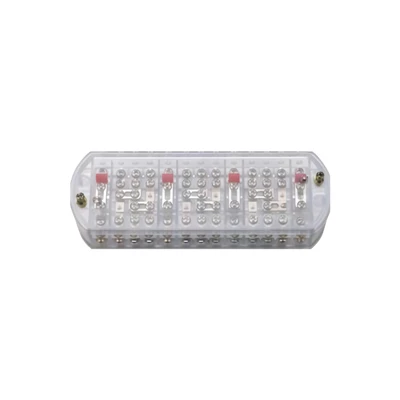
When selecting switch terminals, always refer to the manufacturer's specifications and guidelines. Make sure to choose a terminal that is rated for the correct wire gauge and current capacity. For instance, our Switch Terminal 400 Frame 6x16 is designed to handle specific wire sizes and current levels, so it's essential to match it correctly with your requirements.
Overloading
Overloading occurs when the electrical load on a switch terminal exceeds its rated capacity. This can happen if you connect too many devices to a single terminal or if you use a terminal that is not rated for the high - current application.
When a terminal is overloaded, it will generate excessive heat. This can damage the terminal itself, as well as the surrounding insulation and other components. In severe cases, it can even cause a short - circuit or a fire.
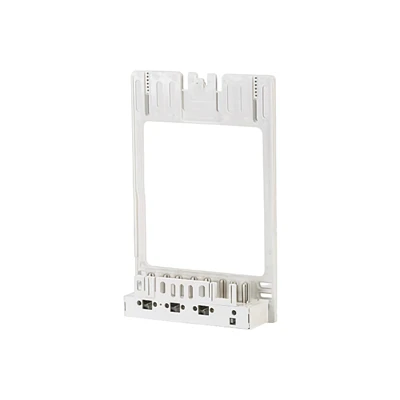
To avoid overloading, carefully calculate the electrical load of your system before selecting switch terminals. Make sure to choose terminals with a sufficient current rating. If you're unsure, consult an electrician or an expert in the field. We offer a range of switch terminals with different current ratings, such as the Switch Terminal 400 Frame 10x16 and Switch Terminal 400 Frame 4x16, which can be selected according to your specific load requirements.
Mechanical Damage
Switch terminals can also suffer from mechanical damage. This can be caused by physical impact, improper installation, or over - tightening of the terminal screws. Mechanical damage can lead to a break in the electrical connection, which will disrupt the normal operation of the electrical system.
For example, if a switch terminal is accidentally hit during installation or maintenance, it may crack or break. Similarly, over - tightening the screws can cause the terminal to deform, which will affect its performance.
To prevent mechanical damage, handle the switch terminals with care during installation and maintenance. Follow the proper installation procedures and use the correct tools. If you notice any signs of mechanical damage, such as cracks or deformations, replace the terminal immediately.
Poor Contact Due to Dirt and Debris
Dirt, dust, and debris can accumulate on the terminal surfaces over time. This can prevent a proper electrical contact between the terminal and the wire, increasing the resistance and causing issues.
In an industrial setting, there may be a lot of dust and particulates in the air. These can settle on the switch terminals and create a barrier between the conductors. Even in a residential environment, dirt and debris can find their way onto the terminals through ventilation systems or open windows.


To keep the terminals clean, you can use compressed air to blow away any loose dirt and debris. For more stubborn dirt, you can use a small brush or a cleaning solvent specifically designed for electrical components. Make sure to dry the terminals thoroughly before reconnecting the wires.
Compatibility Issues
Sometimes, switch terminals may not be compatible with the electrical system or the wires they are supposed to connect to. This can be due to differences in voltage ratings, wire insulation materials, or the type of electrical connection required.
For instance, if you try to connect a terminal designed for a low - voltage system to a high - voltage circuit, it can lead to serious problems. Similarly, if the insulation material of the wire is not compatible with the terminal, it may not provide a secure and reliable connection.
Before purchasing switch terminals, make sure to check their compatibility with your electrical system and the wires. We offer a wide range of switch terminals with different specifications to ensure compatibility. For example, our Neutral Terminal 600A 35 To 95sqmm and Neutral Busbar 2x25 5Pole are designed to meet specific electrical requirements and ensure proper compatibility.
Conclusion
In conclusion, switch terminals are essential components in any electrical system, but they can face a variety of problems. By being aware of these common issues and taking steps to prevent them, you can ensure the reliability and safety of your electrical installations.
If you're in the market for high - quality switch terminals, look no further. As a supplier, we're committed to providing products that meet your needs and exceed your expectations. We offer a wide range of switch terminals, from neutral busbars to breaker terminals, all designed to withstand the challenges of different electrical environments.
Feel free to contact us to discuss your specific requirements and start a purchase negotiation. We're here to help you find the best solutions for your electrical projects.
References
- Electrical Installation Handbook, Schneider Electric
- National Electrical Code (NEC)
- IEEE Standards for Electrical Connections