





Hey there, folks! I'm an expert from a switch terminals supplier, and I'm stoked to share some tips on how to connect switch terminals to a terminal block. Whether you're a DIY enthusiast or a professional electrician, getting this right is super important for a safe and efficient electrical setup.
Understanding the Basics
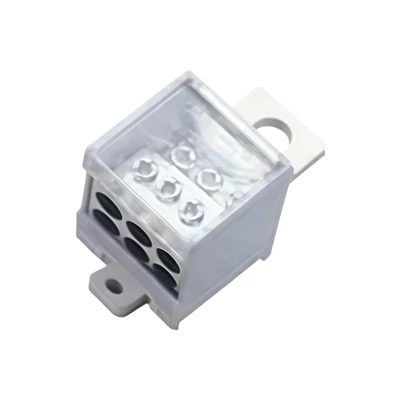
First things first, let's talk about what switch terminals and terminal blocks are. Switch terminals are the parts that connect the switch to the electrical circuit. They come in different shapes and sizes, depending on the type of switch and the electrical requirements. Terminal blocks, on the other hand, are used to connect multiple wires together in an organized way. They provide a secure and reliable connection point for the switch terminals.
Choosing the Right Switch Terminals
When it comes to choosing the right switch terminals for your project, there are a few things you need to consider. The first is the current rating. You need to make sure that the switch terminals can handle the amount of current that will be flowing through them. If the current rating is too low, the terminals can overheat, which can lead to a fire hazard.
Another important factor to consider is the voltage rating. The voltage rating of the switch terminals should match the voltage of the electrical circuit. Using switch terminals with a lower voltage rating can result in electrical breakdown, which can cause damage to the equipment or even harm to the user.
As a switch terminals supplier, we offer a wide range of products to meet your needs. For example, our Switch Terminal 400 Frame 6x16 is a great option for high - current applications. It's designed to provide a reliable connection and can handle a significant amount of current without overheating.
Preparing for the Connection
Before you start connecting the switch terminals to the terminal block, you need to do some preparation. First, make sure that the power to the electrical circuit is turned off. This is a crucial safety step to prevent electrical shock.
Next, gather all the tools you'll need. You'll typically need a screwdriver, wire strippers, and possibly a crimping tool. Make sure the tools are in good condition and suitable for the job.
Strip the insulation from the ends of the wires that you'll be connecting to the switch terminals. The length of the exposed wire should be appropriate for the terminal type. Usually, you don't want the wire to be too long or too short. If it's too long, it can cause a short - circuit, and if it's too short, the connection may not be secure.
Making the Connection
Once you're prepared, it's time to make the connection. Start by inserting the stripped end of the wire into the switch terminal. Some switch terminals have a screw that you can tighten to secure the wire. Make sure the wire is inserted all the way and that the screw is tightened firmly. You don't want to overtighten it, though, as this can damage the wire.
If you're using a crimp - type switch terminal, use the crimping tool to attach the terminal to the wire. Place the wire in the appropriate slot of the terminal and then use the crimping tool to compress the terminal onto the wire. Make sure the crimp is tight and secure.


After the wire is connected to the switch terminal, it's time to connect the switch terminal to the terminal block. Align the switch terminal with the appropriate slot on the terminal block. Some terminal blocks have a spring - loaded mechanism, while others use screws. If it's a screw - type terminal block, insert the switch terminal into the slot and then tighten the screw to secure it in place.
Additional Components
In addition to the switch terminals and terminal blocks, you may also need other components in your electrical setup. For example, Neutral Busbar 3x30 10Pole is a useful component for distributing the neutral current. It provides a common connection point for multiple neutral wires.
The Standalone Neutral Terminal 100A 10 To 35sqmm is another great option if you need a dedicated neutral connection. It can handle a relatively high current and is suitable for a variety of applications.
And let's not forget about the Ground Busbar 3x25 12Pole. Grounding is an essential safety feature in any electrical system. The ground busbar provides a safe path for electrical current in case of a fault, protecting both the equipment and the user.
Testing the Connection
After you've made all the connections, it's important to test them to make sure they're working properly. Turn the power back on and use a multimeter to check the voltage and current at different points in the circuit. If you notice any abnormal readings, there may be a problem with the connection.
Check for any signs of loose connections, such as flickering lights or overheating components. If you find any issues, turn off the power immediately and fix the problem.
Different Types of Switch Terminals
There are various types of switch terminals available, and each has its own advantages. For instance, the Switch Terminal 400 Frame 10x16 is another option from our product range. It's designed with a specific frame size and can be used in different electrical setups.
Some switch terminals are designed for easy installation, while others offer better conductivity. You need to choose the type that best suits your project requirements.
Connecting Multiple Switch Terminals
If you need to connect multiple switch terminals to a single terminal block, the process is similar to connecting a single one. However, you need to be more organized. Make sure you label each wire and switch terminal so that you know which one goes where.
Arrange the switch terminals in the terminal block in an orderly manner. Leave enough space between each terminal to prevent short - circuits. And always double - check your connections to ensure they're correct.
Conclusion
Connecting switch terminals to a terminal block may seem like a daunting task, but with the right knowledge and tools, it can be done easily and safely. Remember to choose the right switch terminals for your project, prepare the wires properly, and make secure connections.
If you're in the market for high - quality switch terminals or other related components, we're here to help. As a leading switch terminals supplier, we have a wide range of products to meet your needs. Whether you're working on a small DIY project or a large industrial installation, we've got you covered.
If you have any questions or are interested in purchasing our products, feel free to reach out and start a procurement discussion. We're always happy to assist you in finding the best solutions for your electrical projects.
References
- Electrical Installation Handbook, various editions
- Electrical Engineering Textbooks on Circuit Connections