





Hey there! As a cable glands supplier, I've seen firsthand the importance of these little components in keeping cables secure and in place. Today, I'm gonna dive into the nitty - gritty of how cable glands prevent cable pull - out.
Understanding Cable Pull - Out
First things first, what exactly is cable pull - out? Well, it's when the cable gets yanked out of its intended position, either due to external forces like vibrations, mechanical stress, or someone accidentally tugging on it. This might not seem like a huge deal at first, but cable pull - out can lead to all sorts of problems. It can cause electrical shorts, signal interruptions in data cables, and even pose safety risks in some industrial settings.
How Cable Glands Work to Prevent Pull - Out
1. Mechanical Grip
One of the primary ways cable glands prevent cable pull - out is through a mechanical grip. Most cable glands have an inner part that's designed to squeeze tightly around the cable. This inner part could be a set of teeth, a rubber seal, or a combination of both.
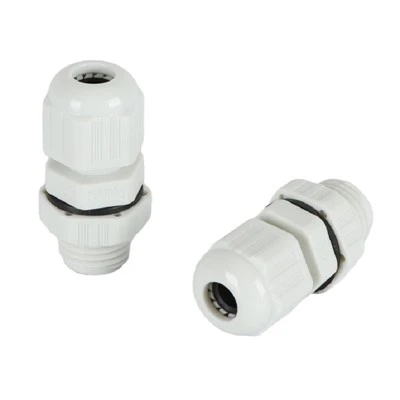
For example, in our Nylon Cable Gland PG11, the internal design features a series of ridges. When you tighten the gland onto the cable, these ridges dig into the outer sheath of the cable. It's kind of like when you grab a rope tightly with your hand; the more you squeeze, the harder it is to pull the rope out.
The same principle applies to our Nylon Cable Gland Metric M25. The rubber seal inside this gland compresses around the cable as it's tightened. This creates a strong frictional force between the gland and the cable. The friction acts as a resistance to any pulling forces, keeping the cable firmly in place.
2. Anchoring to the Enclosure
Cable glands also prevent pull - out by anchoring the cable to the enclosure or the equipment where it's installed. They're usually designed to be screwed or bolted onto the enclosure.
Take our Nylon Cable Gland Metric M32 for instance. Once it's attached to the enclosure, the gland acts as a bridge between the cable and the enclosure. Any pulling force on the cable is then transferred to the gland and the enclosure. Since the enclosure is usually a much more stable structure, it can withstand the pulling force and prevent the cable from being pulled out.
3. Strain Relief
Strain relief is another crucial function of cable glands. When a cable is bent or twisted at sharp angles, it becomes more susceptible to pull - out. Cable glands are designed to provide a smooth transition for the cable as it enters the enclosure, reducing the stress on the cable.
Our Nylon Cable Gland Metric M12 has a well - thought - out shape that allows the cable to enter the enclosure at a gentle angle. This reduces the strain on the cable near the entry point. By reducing the strain, the cable is less likely to break or be pulled out due to normal wear and tear.
Different Types of Cable Glands and Their Pull - Out Prevention
There are various types of cable glands, and each has its unique way of preventing cable pull - out.
Nylon Cable Glands
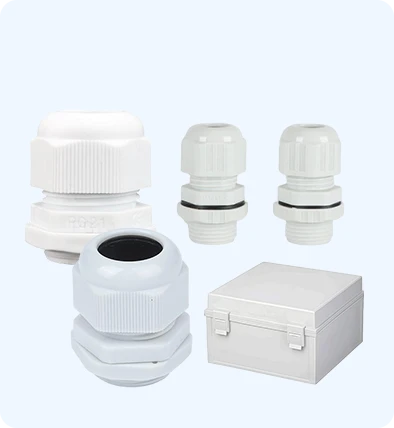
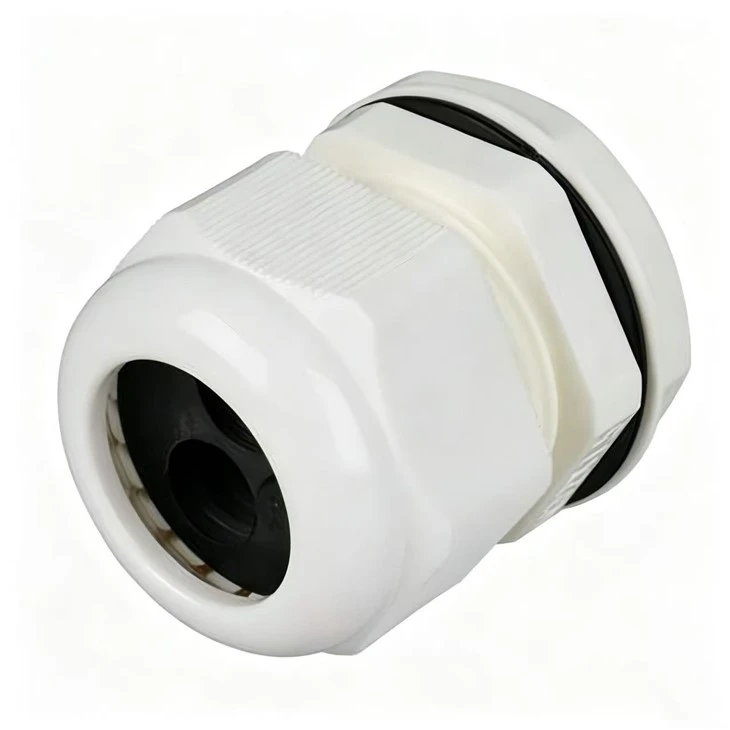
As mentioned before, nylon cable glands like our Nylon Cable Gland PG21 are popular for their lightweight and corrosion - resistant properties. Nylon is also quite strong, allowing the gland to create a firm grip on the cable. They're often used in applications where weight is a concern, such as in aerospace or portable equipment.
Metal Cable Glands
Metal cable glands, on the other hand, offer a higher level of mechanical protection. They're typically used in heavy - duty industrial applications where there's a high risk of cable pull - out due to strong vibrations or large external forces. The metal construction provides a more rigid and durable grip on the cable, ensuring that the cable stays in place even under extreme conditions.

Factors Affecting Cable Gland's Ability to Prevent Pull - Out
Cable Size and Type
The size and type of the cable play a significant role in how well a cable gland can prevent pull - out. If the cable is too small for the gland, the gland might not be able to create a proper grip. On the other hand, if the cable is too large, it might not fit into the gland at all.
Different types of cables also have different outer sheaths. Some sheaths are smoother than others, which can affect the frictional force between the cable and the gland. For example, a cable with a very smooth outer sheath might require a gland with a more aggressive grip mechanism.
Installation
Proper installation is key to ensuring that a cable gland can prevent cable pull - out effectively. If the gland isn't tightened correctly, it won't create the necessary grip on the cable. It's also important to make sure that the gland is installed in the right position and that the cable is fed through the gland properly.
Benefits of Using Cable Glands for Pull - Out Prevention
Safety
By preventing cable pull - out, cable glands play a crucial role in safety. In electrical systems, a pulled - out cable can cause short circuits, which can lead to fires or electrical shocks. In industrial machinery, a loose cable can disrupt the operation of the equipment and even cause accidents.
Reliability
Cable pull - out can lead to frequent disruptions in data transmission in communication systems or malfunctions in control systems. Using cable glands ensures that the cables stay in place, providing a more reliable operation of the equipment.
Cost - effectiveness
Replacing cables and repairing the damage caused by cable pull - out can be expensive. By using cable glands to prevent pull - out in the first place, you can save on these repair and replacement costs in the long run.
Conclusion
In conclusion, cable glands are essential components for preventing cable pull - out. They use mechanical grip, anchoring to the enclosure, and strain relief to keep cables secure. Different types of cable glands, such as nylon and metal ones, offer unique advantages in different applications.
If you're in the market for high - quality cable glands that can effectively prevent cable pull - out, we're here to help. Whether it's our Nylon Cable Gland PG11, Nylon Cable Gland Metric M25, or any of our other products, we've got you covered. Reach out to us for a discussion on your specific needs and let's find the perfect cable gland solution for you.
References
- "Cable Glands: An Overview", Electrical Installer Magazine
- "The Importance of Cable Strain Relief", Industrial Equipment Journal
- "Nylon and Metal Cable Glands: A Comparative Analysis", Engineering Materials Research