





Can waterproof enclosures be used in extreme temperatures? That's a question I get asked a lot as a supplier of waterproof enclosures. In this blog post, I'm gonna dive deep into this topic, sharing some insights based on my experience in the industry.
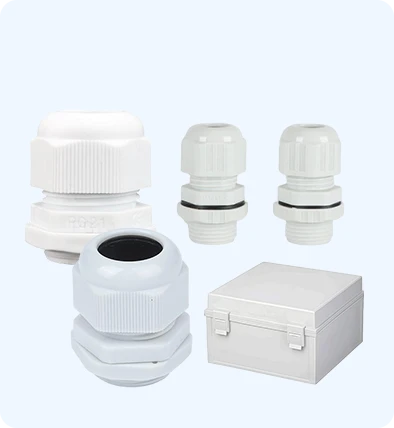
First off, let's talk about what waterproof enclosures are. These are basically protective cases designed to keep your equipment safe from water, dust, and other environmental elements. They're used in a wide range of applications, from outdoor electrical installations to industrial machinery. You can find different types of waterproof enclosures in our catalog, like the Plastic Sealed Box 300x200x140 Flip Cover, which is a popular choice for many customers.
Now, when it comes to extreme temperatures, things get a bit tricky. Extreme cold can make the materials of the waterproof enclosure more brittle. For example, plastic enclosures may crack if they're exposed to very low temperatures for a long time. Rubber seals, which are crucial for maintaining the waterproofing, can lose their flexibility and start to leak. On the other hand, extreme heat can cause the materials to expand. This expansion can put stress on the seals and joints of the enclosure, potentially leading to gaps where water or dust can get in.
So, can they still be used in extreme temperatures? The answer is yes, but with some important considerations.
Cold Temperatures
In cold environments, you need to choose the right materials. Some plastics are more resistant to cold than others. For instance, enclosures made from high - density polyethylene (HDPE) have better cold - weather performance. They're less likely to crack compared to regular plastic enclosures.
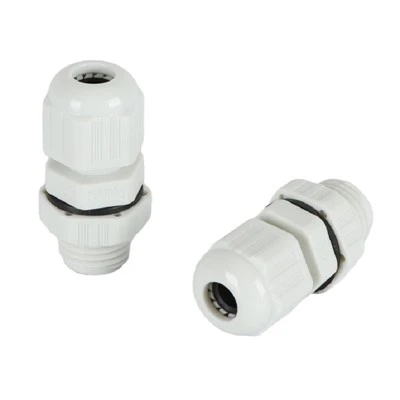
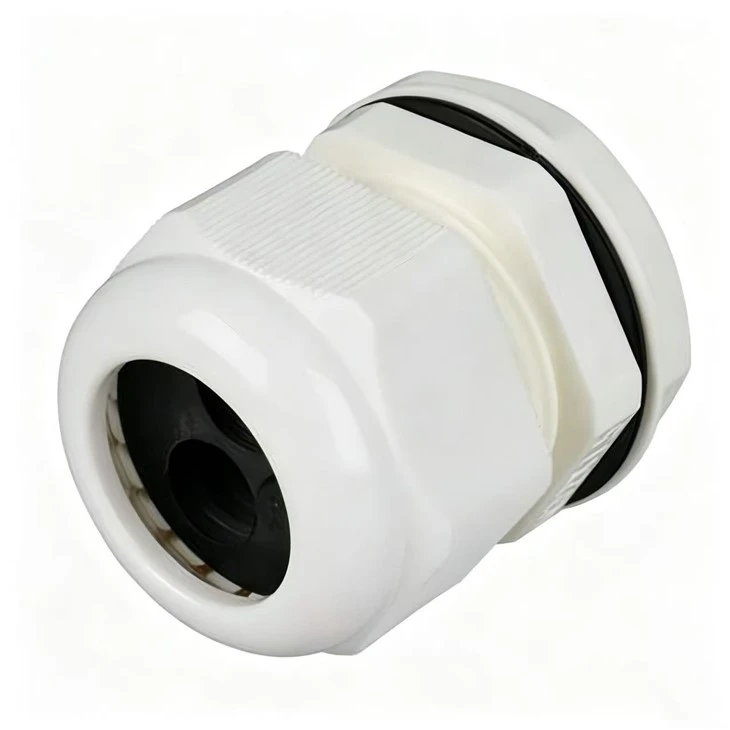
Another thing to look at is the seals. Silicone rubber seals tend to perform better in cold temperatures than natural rubber seals. Silicone retains its flexibility at lower temperatures, which helps to keep the enclosure watertight. At our company, we offer enclosures with high - quality silicone seals to ensure their performance in cold conditions. And if you need to connect cables to the enclosure in a cold environment, you might want to consider our Nylon Cable Gland Metric M20. Nylon has good low - temperature properties and can provide a reliable seal for your cables.
Hot Temperatures
When dealing with extreme heat, proper ventilation is key. Heat can build up inside the enclosure, which not only affects the performance of the enclosed equipment but also the integrity of the enclosure itself. Some waterproof enclosures come with built - in ventilation systems, like vents or fans, to keep the temperature down.
You also need to choose materials that can withstand high temperatures. Stainless steel enclosures are a great option for hot environments. They have good heat resistance and are also very durable. And for cable glands, the Nylon Cable Gland Metric M32 is a reliable choice. Nylon can resist a certain degree of heat without losing its sealing properties.
Testing and Certification
It's important to note that not all waterproof enclosures are created equal when it comes to extreme temperatures. Look for enclosures that have been tested and certified for use in extreme temperature conditions. Certifications like IP (Ingress Protection) ratings can give you an idea of how well an enclosure can protect against dust and water. However, for extreme temperatures, there are also other standards to consider, such as UL (Underwriters Laboratories) ratings for temperature resistance.

We at our company take testing seriously. Our waterproof enclosures go through a series of temperature tests to ensure they can perform as expected in extreme conditions. Whether it's a freezing - cold winter or a scorching - hot summer day, our enclosures are designed to keep your equipment safe.
Real - World Applications
There are many real - world applications where waterproof enclosures need to operate in extreme temperatures. For example, in the oil and gas industry, equipment is often located in remote areas where temperatures can vary widely. Waterproof enclosures are used to protect electrical components and control systems from the harsh environment.
In the transportation industry, especially in aerospace and automotive applications, enclosures need to withstand extreme temperatures during flight or long - distance drives. Our Nylon Cable Gland PG11 is frequently used in these types of applications, thanks to its reliable performance in different temperature conditions.
Choosing the Right Enclosure
When choosing a waterproof enclosure for extreme temperatures, you need to consider several factors. First, know the temperature range of the environment where the enclosure will be used. This will help you decide on the right materials and design.
Second, think about the type of equipment that will be housed inside the enclosure. Some equipment generates more heat than others, which may require better ventilation in the enclosure.
Finally, consider the size and shape of the enclosure. A larger enclosure may have more space for ventilation, but it may also be more difficult to maintain a consistent temperature inside. Our Nylon Cable Gland Metric M25 can be used in enclosures of different sizes, providing a flexible cable - sealing solution.
Conclusion
In conclusion, waterproof enclosures can definitely be used in extreme temperatures, but it's crucial to make the right choices. By selecting enclosures made from appropriate materials, paying attention to seal quality, and ensuring proper ventilation, you can ensure that your equipment stays protected in harsh environments.
If you're in the market for waterproof enclosures that can handle extreme temperatures, don't hesitate to reach out. We're here to help you find the best solutions for your specific needs. Whether you have questions about our products or need advice on choosing the right enclosure, feel free to contact us for a procurement discussion.
References
- ASTM International standards on materials testing in extreme temperatures
- UL (Underwriters Laboratories) standards for enclosure temperature resistance
- Industry case studies on the use of waterproof enclosures in oil and gas, transportation, etc.