



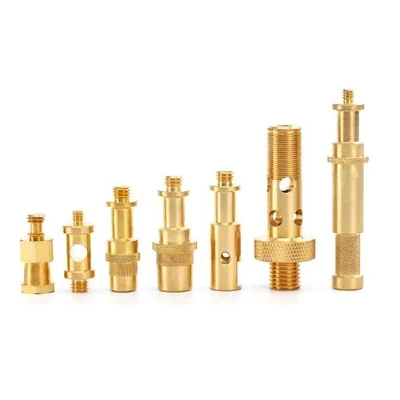


What is the lifespan of distribution terminals?
As a supplier of distribution terminals, I often get asked about the lifespan of these essential electrical components. Understanding the lifespan of distribution terminals is crucial for both end - users and industry professionals. It helps in planning maintenance schedules, budgeting for replacements, and ensuring the reliable operation of electrical systems.
Factors Affecting the Lifespan of Distribution Terminals
1. Material Quality
The materials used in the construction of distribution terminals play a significant role in determining their lifespan. High - quality metals such as copper or brass are commonly used due to their excellent electrical conductivity and corrosion resistance. For instance, copper has a high melting point and is less likely to degrade under normal operating conditions. Terminals made from inferior materials may experience rapid corrosion, which can lead to increased resistance, overheating, and ultimately, premature failure.
2. Operating Conditions
The environment in which distribution terminals operate greatly influences their lifespan. In harsh industrial environments with high levels of dust, humidity, or chemical exposure, terminals are more prone to corrosion and damage. For example, in a chemical processing plant, the terminals may be exposed to corrosive gases that can gradually eat away at the metal. On the other hand, in a clean and dry office environment, the terminals are likely to last longer. Temperature is another critical factor. Extreme temperatures, either too high or too low, can cause the materials to expand or contract, leading to mechanical stress and potentially damaging the terminals.
3. Electrical Load
The amount of electrical current flowing through the distribution terminals is a key determinant of their lifespan. If the terminals are overloaded, they will generate more heat. Excessive heat can cause the insulation to break down, the metal to deform, and the electrical connections to become loose. Over time, this can lead to short circuits and complete failure of the terminals. It's essential to ensure that the terminals are rated for the specific electrical load they will be carrying.
4. Installation and Maintenance
Proper installation is vital for the long - term performance of distribution terminals. Incorrect installation, such as improper tightening of screws or misalignment of conductors, can create high - resistance connections. These connections generate heat, which can accelerate the aging process of the terminals. Regular maintenance, including inspection for signs of wear, cleaning, and tightening of connections, can significantly extend the lifespan of distribution terminals.
Typical Lifespan Estimates
Under ideal operating conditions, well - made distribution terminals can last anywhere from 20 to 30 years. However, in real - world scenarios, the lifespan can vary widely. In a mild office environment with proper installation and maintenance, the terminals may approach the upper end of this range. But in a demanding industrial setting, the lifespan could be significantly shorter, perhaps 10 to 15 years.
Specific Types of Distribution Terminals and Their Considerations
We offer a range of distribution terminals, each with its own characteristics and potential lifespan. For example, our Single Pole One Inlet Five Outlet is designed for applications where a single input needs to be distributed to five outputs. This type of terminal is commonly used in small - scale electrical systems. If installed in a stable environment and not overloaded, it can have a relatively long lifespan.
The Single Pole One Inlet Ten Outlet is suitable for more complex distribution requirements. However, due to the higher number of outputs, it may be more prone to overloading if not properly managed. This could potentially reduce its lifespan compared to the five - outlet version.


Our Single Pole One Inlet Six Outlet strikes a balance between the number of outputs and the electrical load. It is a popular choice for medium - sized electrical installations. With proper care, it can provide reliable service for many years.
The Jack Up One Inlet Six Outlet 10 To 35sqmm is designed for applications where larger conductors are used. The larger conductor size can handle higher electrical currents, but it also means that the terminal is subject to greater mechanical stress. This type of terminal requires careful installation and regular inspection to ensure a long lifespan.
The Two Inlet Four Outlet 35 To 70sqmm is used in high - power electrical systems. The larger conductor sizes and higher electrical loads make it more critical to monitor the operating conditions and perform regular maintenance. If these requirements are met, it can serve the system effectively for an extended period.
Extending the Lifespan of Distribution Terminals
To maximize the lifespan of distribution terminals, several steps can be taken. First, select high - quality terminals that are appropriate for the specific application. This includes considering the electrical load, the environment, and the number of connections required. Second, ensure proper installation by following the manufacturer's guidelines. This may involve using the correct tools, tightening the screws to the specified torque, and ensuring proper alignment of the conductors.
Regular maintenance is also essential. This can include visual inspections for signs of corrosion, loose connections, or overheating. Cleaning the terminals to remove dust and debris can prevent the build - up of contaminants that can cause damage. Additionally, monitoring the electrical parameters, such as voltage and current, can help detect any potential issues before they lead to terminal failure.
Conclusion
In conclusion, the lifespan of distribution terminals is influenced by multiple factors, including material quality, operating conditions, electrical load, and installation and maintenance. While under ideal conditions, these terminals can last 20 to 30 years, real - world scenarios often result in a shorter lifespan. By understanding these factors and taking appropriate measures to extend the lifespan, users can ensure the reliable operation of their electrical systems.
If you are in the market for high - quality distribution terminals or have questions about their lifespan and performance, we invite you to contact us for a detailed discussion. Our team of experts is ready to assist you in selecting the right products for your specific needs and providing guidance on installation and maintenance.
References
- Electrical Engineering Handbook, various editions
- Manufacturer's specifications for distribution terminals
- Industry standards for electrical components and installations