





As a metering block supplier, I often get asked, "Do metering blocks generate noise during operation?" It's a valid question, especially for those who are new to using these devices or are considering purchasing them. In this blog, I'll share my insights based on years of experience in the industry to help you understand whether metering blocks are noisy and what factors might contribute to any potential noise.
Understanding Metering Blocks
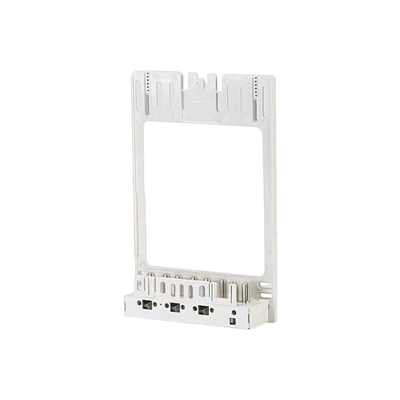
First, let's quickly go over what metering blocks are. Metering blocks are essential components in electrical systems. They're used to measure and manage electrical consumption accurately. There are different types of metering blocks available, each designed to suit specific applications. For instance, we have the Three Phase Four Wire Metering Block, which is great for three-phase electrical systems with a neutral wire. Then there's the Anti Tamper Metering Block, built to prevent unauthorized access and tampering, ensuring the integrity of the metering data.
The Noise Factor
Now, back to the main question: do metering blocks generate noise during operation? In general, high - quality metering blocks shouldn't produce noticeable noise during normal operation. These devices are engineered to be as quiet as possible. However, there are a few scenarios where you might encounter some noise.
Electrical Noise
One source of noise could be electrical noise. This happens when there are fluctuations in the electrical current passing through the metering block. For example, if there's a sudden surge in power or if the electrical system has a lot of harmonic distortion, the metering block might pick up on these irregularities and translate them into audible noise. It's like when you have a radio and you get interference - you can hear a crackling or buzzing sound. In the case of metering blocks, this electrical noise can range from a faint hum to a more pronounced buzzing.
Mechanical Vibration
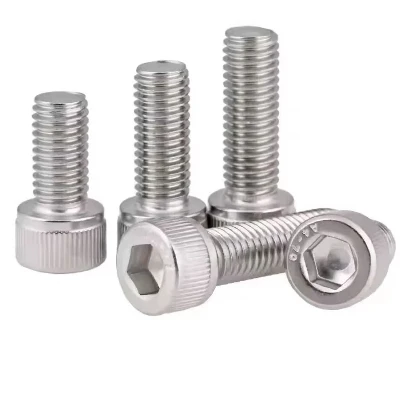
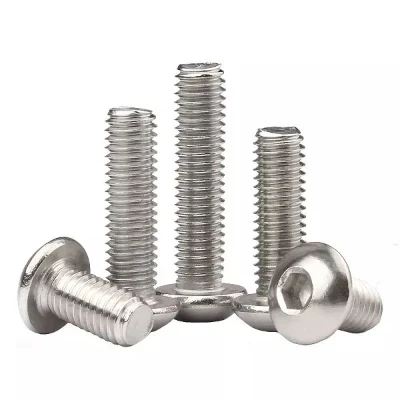
Mechanical vibration is another potential cause of noise. Metering blocks consist of various components, such as relays, switches, and connectors. If these components aren't properly secured, they can vibrate during operation. The vibration can then create a rattling or clicking sound. For instance, if a screw isn't tightened properly, it could cause the part it's holding to vibrate slightly, leading to noise.
Environmental Conditions
The environment where the metering block is installed can also play a role in noise generation. If the block is placed in a location with high - speed airflow, like near a ventilation duct, the air movement can cause the block to vibrate and produce noise. Similarly, extreme temperatures can affect the physical properties of the components in the metering block. For example, in very cold temperatures, some materials might contract, which could potentially lead to loose connections and subsequent noise.


Impact of Noise on Metering Block Performance
A little bit of noise might not seem like a big deal, but it can actually indicate underlying issues that could affect the performance of the metering block. Electrical noise, for example, could interfere with the accurate measurement of electrical parameters. This means that the data collected by the metering block might not be as reliable as it should be. Mechanical vibration noise could lead to long - term wear and tear of components. Over time, loose parts can cause connectivity problems, leading to inaccuracies in metering or even complete failure of the device.
Minimizing Noise from Metering Blocks
As a supplier, I'm always looking for ways to help my customers reduce any potential noise from metering blocks. Here are some tips:
- Proper Installation: Make sure the metering block is installed correctly according to the manufacturer's instructions. This includes ensuring all components are tightly secured and that the block is placed in a stable location.
- Electrical System Maintenance: Regularly check the electrical system for any issues such as power surges or harmonic distortion. Using surge protectors and harmonic filters can help reduce electrical noise.
- Environmental Considerations: Choose an appropriate installation location for the metering block. Avoid areas with high - speed airflow or extreme temperatures. If necessary, use insulation or vibration - dampening materials to reduce environmental impacts.
Our Range of Metering Blocks
At our company, we offer a wide range of metering blocks, each designed with noise reduction in mind. Aside from the types I mentioned earlier, we also have the GPRS Metering Block, which uses GPRS technology for remote data transmission, and the Transparent Bulletproof Metering Block, which provides both security and visibility. The Three Phase Three Wire Metering Block is another great option for specific three - phase systems.
Conclusion
So, do metering blocks generate noise during operation? While it's not common for high - quality metering blocks to make noise, there are several factors that could potentially lead to noise. However, with proper installation, electrical system maintenance, and careful consideration of the environment, you can minimize or even eliminate any unwanted noise. If you're experiencing noise issues with your metering blocks or are in the market for new ones, don't hesitate to reach out. We're here to help you find the best metering block solution for your needs and ensure you get accurate and reliable metering data. Whether you're a small business owner, an electrician, or part of a large industrial operation, we've got the right metering block for you. Let's start a conversation about how we can meet your requirements and help you take control of your electrical metering.
References
- Electrical Engineering Handbook. Latest Edition.
- Manufacturer's guides and specifications for metering blocks.