








Are China neutral boxes resistant to mold?
As a supplier of China neutral boxes, I am often asked about the mold - resistance of our products. In the electrical industry, neutral boxes play a crucial role in ensuring the proper functioning of electrical systems. However, the issue of mold growth can pose a significant threat to their performance and longevity. In this blog, I will explore whether China neutral boxes are resistant to mold, examining the materials, manufacturing processes, and environmental factors involved.
Materials Used in China Neutral Boxes
The materials used in the production of China neutral boxes are a key factor in determining their mold - resistance. Most of the neutral boxes we supply are made from high - quality plastics or metals.
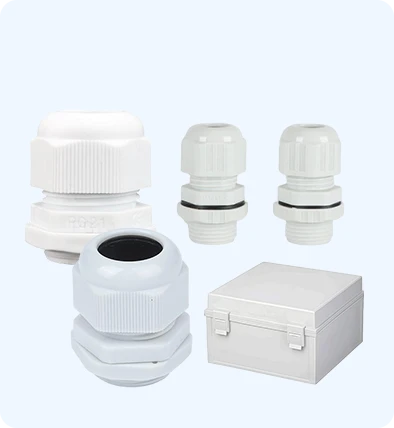
Plastic neutral boxes are commonly made from polycarbonate, ABS (Acrylonitrile Butadiene Styrene), or PVC (Polyvinyl Chloride). Polycarbonate is known for its excellent mechanical properties, high impact resistance, and good chemical resistance. It has a smooth surface that makes it difficult for mold spores to attach and grow. ABS is another popular choice due to its toughness, heat resistance, and dimensional stability. These plastics can be treated with anti - microbial additives during the manufacturing process to further enhance their mold - resistance.
Metallic neutral boxes, on the other hand, are often made from stainless steel or aluminum. Stainless steel is highly corrosion - resistant and has a non - porous surface. Mold requires organic matter, moisture, and a suitable temperature to grow, and stainless steel does not provide a favorable environment for mold growth. Aluminum is also lightweight and corrosion - resistant. It forms a thin oxide layer on its surface, which acts as a protective barrier against environmental elements, including mold.
Manufacturing Processes and Mold Resistance
The manufacturing processes employed in the production of China neutral boxes also contribute to their mold - resistance. Injection molding is a common method for producing plastic neutral boxes. This process allows for precise control over the shape and dimensions of the boxes, and it can ensure a smooth and uniform surface finish. A smooth surface reduces the areas where mold spores can accumulate.
During the production of metallic neutral boxes, processes such as welding, machining, and surface treatment are carefully controlled. Welding joints are made to be tight and seamless to prevent moisture from seeping in, which is a key factor in mold growth. Surface treatments like powder coating or anodizing can be applied to metallic boxes. Powder coating provides an additional layer of protection against moisture and corrosion, while anodizing creates a hard, corrosion - resistant oxide layer on aluminum boxes.
Environmental Factors and Mold Growth
While the materials and manufacturing processes contribute to mold - resistance, environmental factors also play a significant role. Mold growth thrives in environments with high humidity, warm temperatures, and the presence of organic matter. In areas with high relative humidity (above 60%), the risk of mold growth increases significantly.
China neutral boxes are designed to withstand a wide range of environmental conditions. However, in extremely humid environments, additional precautions may be necessary. For example, installing the boxes in well - ventilated areas can help reduce moisture levels. Using dehumidifiers in the vicinity of the boxes can also be an effective measure to prevent mold growth.
Case Studies
To illustrate the mold - resistance of our China neutral boxes, let's look at some case studies. In a coastal area where the humidity is consistently high, a customer installed our Four Inlet Six Outlet Neutral Box. After a year of operation, a thorough inspection revealed no signs of mold growth on the box. The polycarbonate material and the smooth surface finish of the box prevented mold spores from adhering and growing.
In another industrial setting, a customer used our Twenty Four Circuit Repeatable Grounding Box. The box was made of stainless steel, and it was exposed to a moderately humid environment. Despite being in this environment for several years, the box remained free of mold. The corrosion - resistant properties of stainless steel and the tight construction of the box protected it from mold infestation.
Real - World Testing and Certification
Our China neutral boxes undergo rigorous testing to ensure their mold - resistance. We conduct accelerated aging tests in chambers that simulate harsh environmental conditions, including high humidity and elevated temperatures. These tests help us evaluate the long - term performance of the boxes in terms of mold growth.
In addition to our in - house testing, many of our products have obtained relevant certifications. For example, some of our plastic boxes meet the standards set by international organizations for anti - microbial performance. These certifications serve as evidence of the mold - resistance of our products and give our customers confidence in their quality.


Different Types of China Neutral Boxes and Their Mold - Resistance
We offer a variety of neutral boxes, each with its own features and mold - resistance characteristics.
The Two Inlet Twenty Four Outlet Neutral Box is designed for applications where a large number of circuits need to be managed. It is made from high - grade ABS plastic with an anti - microbial additive. This additive inhibits the growth of mold and other microorganisms on the surface of the box, making it suitable for use in both normal and moderately humid environments.
The Twelve Circuit Repeatable Grounding Box is often made from aluminum. The anodized surface of the aluminum provides excellent protection against moisture and mold. It is a reliable choice for outdoor applications where the box may be exposed to the elements.
Our Eight Circuit Repeatable Grounding Box, also available in plastic and metal options, has been engineered to resist mold growth. The plastic version has a smooth finish, and the metal version has a corrosion - resistant coating, ensuring that it remains functional and mold - free in various environments.
Conclusion and Call to Action
In conclusion, China neutral boxes are generally resistant to mold. The choice of high - quality materials, advanced manufacturing processes, and thorough testing all contribute to their mold - resistance. However, it is important to consider the environmental conditions in which the boxes will be used and take appropriate precautions to ensure their long - term performance.
If you are in the market for high - quality, mold - resistant neutral boxes, we invite you to get in touch with us. Our team of experts can help you select the right product for your specific needs. Whether you are working on a small - scale electrical project or a large - scale industrial installation, we have the neutral boxes that can meet your requirements.
References
- ASTM International. (Year). "Standard Test Methods for Evaluating the Resistance of Nonporous Surfaces to the Growth of Mold."
- ASHRAE. (Year). "ASHRAE Handbook - Fundamentals."
- Manufacturer's Technical Data Sheets for Polycarbonate, ABS, PVC, Stainless Steel, and Aluminum.


