








Sewage treatment plants are complex industrial facilities that demand high - level protection for electrical and electronic equipment. As a waterproof enclosures supplier, I often get asked whether our waterproof enclosures can be used in sewage treatment plants. In this blog, I'll explore this topic in detail.
The Harsh Environment of Sewage Treatment Plants
Sewage treatment plants present a series of challenging conditions. First and foremost is the presence of water. Sewage is, by its nature, a liquid waste, and water is everywhere in these plants, from the initial collection basins to the final treatment and discharge areas. This constant exposure to water can lead to corrosion, short - circuits, and other electrical failures if equipment is not properly protected.
In addition to water, sewage contains a variety of chemicals and contaminants. These can include acids, alkalis, heavy metals, and organic compounds. The chemical properties of sewage can vary widely depending on the source of the wastewater, whether it's from domestic, industrial, or a combination of both. The corrosive nature of these chemicals can eat away at unprotected materials, reducing the lifespan of equipment and potentially causing safety hazards.
Another factor is the high humidity levels in sewage treatment plants. The evaporation of water and the presence of steam from various treatment processes create a humid environment. High humidity can cause condensation on equipment surfaces, which can also lead to electrical problems.
The Role of Waterproof Enclosures
Waterproof enclosures are designed to protect electrical and electronic equipment from water ingress. They are typically made from materials that are resistant to water, such as plastics or metals with special coatings. The enclosures are sealed to prevent water from entering, even in wet environments.
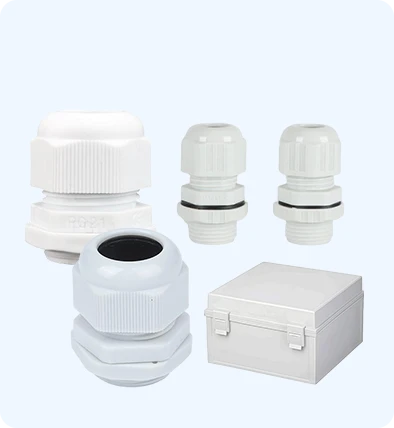
One of our popular products, the Plastic Waterproof Enclosure 170x220x110 Hinged, is made from high - quality plastic that offers excellent water resistance. The hinged design allows for easy access to the equipment inside, while the tight seal ensures that water stays out.
In addition to protecting against water, waterproof enclosures can also provide some level of protection against chemicals. However, the degree of chemical resistance depends on the material of the enclosure. For example, some plastics are more resistant to certain chemicals than others.
Compatibility with Sewage Treatment Plant Conditions
The question of whether waterproof enclosures can be used in sewage treatment plants boils down to their compatibility with the specific conditions in these facilities.
Water Resistance
Our waterproof enclosures are tested to meet strict water - resistance standards. They are designed to withstand submersion in water to a certain depth for a specified period. This makes them suitable for use in areas where there is a risk of water splashing or even temporary submersion, such as near pumps or in wet wells.
Chemical Resistance
As mentioned earlier, sewage contains various chemicals. When choosing a waterproof enclosure for a sewage treatment plant, it's important to consider the chemical composition of the sewage. For general domestic sewage, our standard plastic enclosures may offer sufficient protection. However, for industrial sewage with high concentrations of corrosive chemicals, we may need to recommend enclosures made from more chemically resistant materials.
Temperature and Humidity
Sewage treatment plants can have a wide range of temperatures and humidity levels. Our enclosures are designed to operate within a certain temperature range and can handle high humidity. They are also equipped with features to prevent condensation, such as gaskets and vents that allow for proper air circulation.
Cable Glands in Sewage Treatment Plants
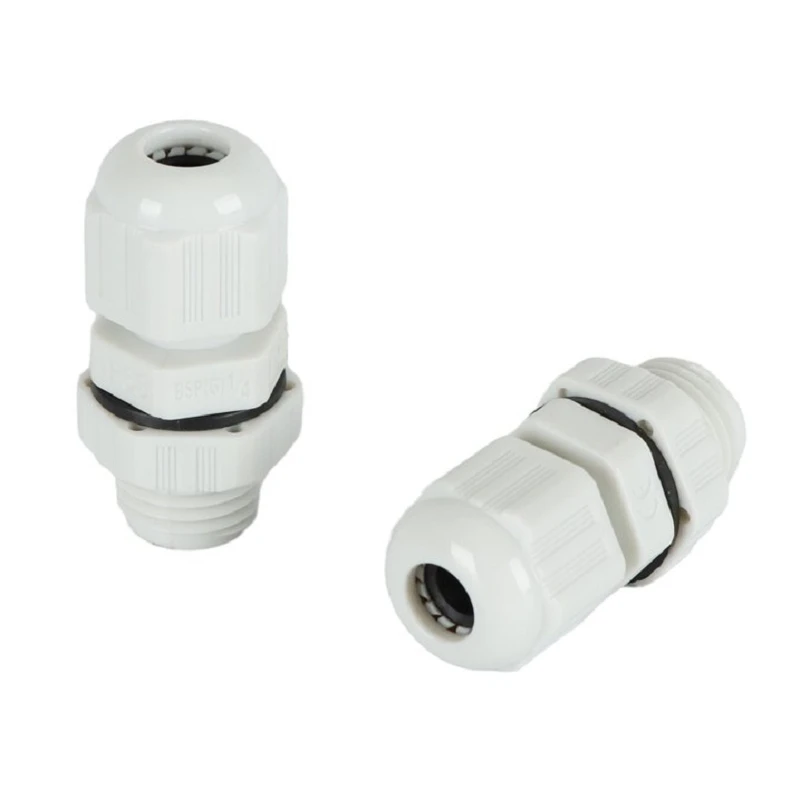
Cable glands are an important part of the waterproofing system in enclosures. They seal the cables where they enter the enclosure, preventing water and dirt from getting inside.
We offer a variety of cable glands, including Nylon Cable Gland Metric M12, Nylon Cable Gland PG11, Nylon Cable Gland Metric M20, and Nylon Cable Gland PG21. These nylon cable glands are corrosion - resistant and provide a tight seal around the cables. They are suitable for use in sewage treatment plants, as they can withstand the wet and potentially corrosive environment.
Real - World Applications
There are several real - world examples of waterproof enclosures being used in sewage treatment plants. Many sewage treatment facilities have installed our enclosures to protect their control panels, sensors, and other electrical equipment. These enclosures have helped to reduce downtime due to water and chemical damage, resulting in cost savings and improved operational efficiency.
Considerations for Installation and Maintenance
When installing waterproof enclosures in sewage treatment plants, it's important to follow the manufacturer's instructions. This includes ensuring that the enclosure is properly sealed, the cables are correctly installed through the cable glands, and the enclosure is mounted in a suitable location.
Regular maintenance is also crucial. Inspect the enclosures periodically for signs of damage, such as cracks or loose seals. Replace any damaged parts immediately to maintain the integrity of the waterproofing.

Conclusion
In conclusion, waterproof enclosures can indeed be used in sewage treatment plants. They offer protection against water, chemicals, humidity, and other environmental factors that are common in these facilities. Our range of waterproof enclosures and cable glands, such as the Plastic Waterproof Enclosure 170x220x110 Hinged and various nylon cable glands, are designed to meet the specific requirements of sewage treatment plants.
If you are in the sewage treatment industry and are looking for reliable waterproof enclosures and cable glands for your electrical and electronic equipment, we are here to help. We can provide expert advice on the selection of the right products based on your specific needs. Contact us to start a discussion about your procurement requirements and let's work together to ensure the long - term performance of your equipment in the harsh environment of sewage treatment plants.
References
- Industrial Electrical Equipment Protection Standards Handbook.
- Research on Corrosion Resistance of Materials in Sewage Treatment Environments.


