





Hey there! As a supplier of China cable glands, I often get asked whether these cable glands are easy to transport. Let's dig into this topic and see what it's all about.
1. Understanding the Nature of China Cable Glands
First off, what exactly are cable glands? Well, cable glands are devices used to attach and secure the end of an electrical cable to the equipment. They play a crucial role in ensuring the safety and integrity of electrical systems. China has been a major player in the cable gland manufacturing industry, producing a wide range of products with different materials, sizes, and specifications.
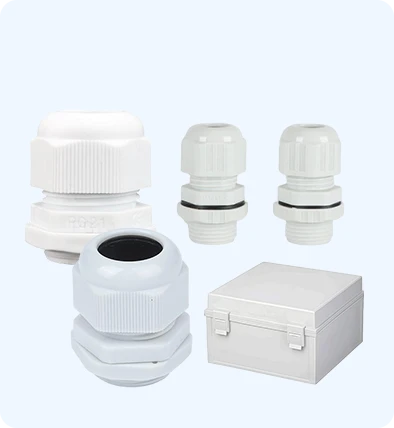
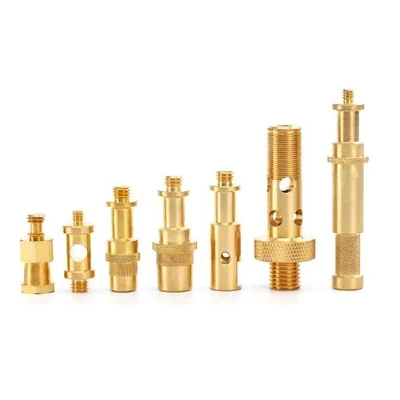
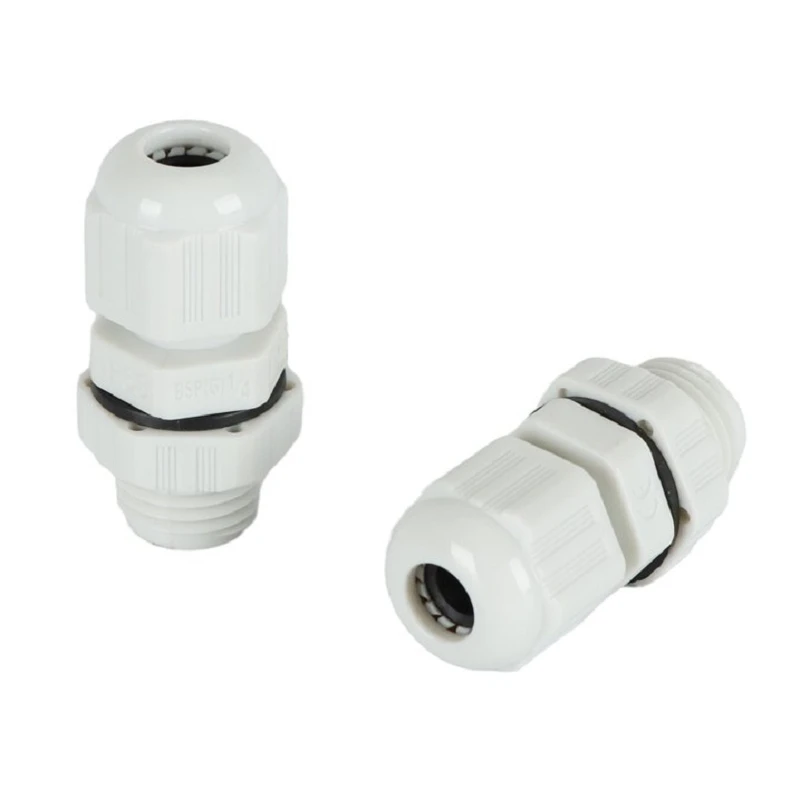
One of the significant advantages of China cable glands is their materials. Many of them are made from robust materials like stainless steel, brass, and nylon. For instance, nylon cable glands are quite popular. They are lightweight, corrosion - resistant, and cost - effective. Take a look at some of our popular nylon cable gland options: Nylon Cable Gland Metric M20, Nylon Cable Gland PG11, Nylon Cable Gland Metric M12, Nylon Cable Gland Metric M32, and Nylon Cable Gland PG21.
2. Factors Affecting the Transport of China Cable Glands
2.1. Physical Characteristics
The physical features of cable glands can have a big impact on their transportability. As mentioned earlier, nylon cable glands are lightweight. This makes them much easier to handle during loading, unloading, and transit. You don't need heavy - duty equipment to move them around. On the other hand, stainless - steel or brass cable glands, while being more durable and suitable for harsh environments, are heavier. Extra care and appropriate lifting equipment are required to transport them.
The size of cable glands also matters. Smaller cable glands can be packed more densely, which means more units can be transported in a single shipment. This is not only cost - effective but also reduces the overall volume of the cargo. Larger cable glands, however, may require special handling and transportation methods to prevent damage.
2.2. Packaging
Proper packaging is key when it comes to transporting cable glands. In China, manufacturers typically use high - quality packaging materials to ensure the safety of the products during transit. For example, small cable glands are often placed in plastic bags or small cartons. These are then packed into larger shipping boxes with adequate cushioning materials like foam or bubble wrap to protect them from shocks and vibrations.
For larger or more delicate cable glands, wooden crates may be used. The use of wooden crates provides additional protection and stability, especially for long - distance shipping. Moreover, the packaging is designed to be stackable, which maximizes the use of space in the transport vehicle, whether it's a truck, a container on a ship, or an airplane.
2.3. Shipping Regulations
When transporting China cable glands, you need to comply with different shipping regulations, both domestic and international. China has its own set of rules regarding the transportation of industrial products. For international shipments, you have to follow international shipping standards and regulations, such as those set by the International Maritime Organization (IMO) if shipping by sea or the International Civil Aviation Organization (ICAO) for air freight.
These regulations cover aspects like labeling, documentation, and safety requirements. For example, cable glands may need to be labeled with information about their materials, size, and usage. The right documentation, including invoices, packing lists, and certificates of origin, must be prepared accurately to ensure smooth customs clearance at the destination.
3. Modes of Transport for China Cable Glands
3.1. Road Transport
Road transport is a popular option for short - to medium - distance shipments of China cable glands. It offers flexibility in terms of pick - up and delivery locations. Trucks can directly transport the cable glands from the manufacturing facility to the customer's site or a local distribution center.
However, road transport also has its limitations. The capacity of a truck is relatively limited compared to other modes of transport. And it can be affected by traffic conditions, road closures, and weather. For long - distance shipments, the cost of road transport may be higher compared to shipping by sea or rail.
3.2. Sea Transport
Sea transport is the go - to option for large - scale and long - distance shipments of China cable glands, especially for international customers. Shipping by sea is cost - effective, especially for bulk orders. Cable glands can be packed into standard shipping containers, which are then loaded onto cargo ships.
The main drawback of sea transport is the longer transit time. It can take weeks for a shipment to reach its destination, depending on the distance and the shipping route. There are also potential risks associated with sea transport, such as rough seas, piracy in some regions, and port congestion.

3.3. Air Transport
Air transport is the fastest way to transport China cable glands. It is ideal for urgent orders or high - value cable glands. With air freight, the transit time can be reduced from weeks to just a few days. This is a great advantage for customers who need the cable glands immediately for their projects.
But air transport comes with a high cost. On average, air freight is much more expensive than road or sea transport. So, it's usually only used in situations where time is of the essence.
4. Tips for Smooth Transport of China Cable Glands
4.1. Choose the Right Transport Mode
Based on your order size, delivery time requirements, and budget, choose the most suitable transport mode. If you have a large - scale order and don't need it urgently, sea transport might be the best option. For small, high - priority orders, air transport could be a better choice.
4.2. Ensure Proper Packaging
Working closely with the manufacturer or supplier to make sure the cable glands are packed properly. The packaging should be able to withstand the rigors of transport, whether it's bumps on the road, rough handling at ports, or the vibrations during flight.
4.3. Keep in Touch with the Transporter
Maintain good communication with the transport company. This allows you to track the shipment in real - time, get updates on any delays or issues, and take appropriate action if necessary.
4.4. Comply with Regulations
Make sure all the necessary documentation is in order and comply with all local and international shipping regulations. This will prevent any customs clearance problems and ensure the smooth flow of your shipment.
5. Why Choose China Cable Glands for Your Projects
China cable glands are not only easy to transport but also offer many other benefits. They are known for their high quality at competitive prices. Chinese manufacturers have advanced production technologies and strict quality control systems. This ensures that you get cable glands that meet or exceed international standards.
Whether you need small nylon cable glands for a simple electrical installation or large - scale stainless - steel cable glands for an industrial project, there are plenty of options available from Chinese suppliers. And with proper planning and handling, they can be easily transported to your desired location.
If you're interested in sourcing China cable glands for your next project, I'd love to have a chat with you. Let's discuss your specific requirements, and I can provide you with the best solutions and prices. Just reach out to me, and we can start the procurement process.
References
- International Maritime Organization (IMO) regulations on shipping.
- International Civil Aviation Organization (ICAO) guidelines for air freight.
- Industry reports on the cable gland manufacturing and transportation in China.