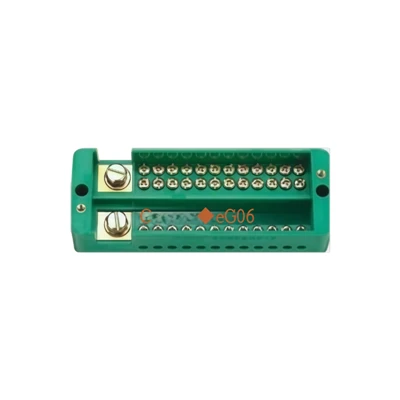




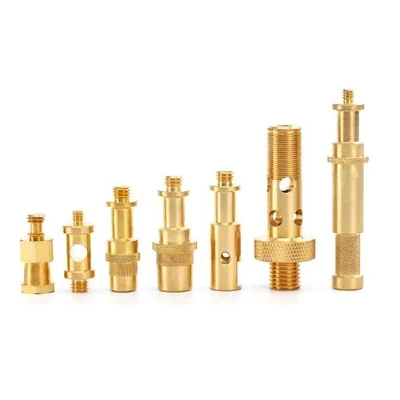


As a supplier of neutral boxes, I understand the importance of proper transportation to ensure these products reach their destinations safely and in optimal condition. Neutral boxes are crucial components in electrical systems, providing a stable connection point for neutral conductors. Ensuring their safe and efficient transportation is not only a matter of product integrity but also of meeting the needs of our customers and the reliability of electrical installations.
Understanding the Types of Neutral Boxes
Before delving into transportation methods, it's essential to recognize the diverse range of neutral boxes available. Common types include the Twenty Circuit Repeatable Grounding Box, Two Inlet Twenty Four Outlet Neutral Box, Twenty Four Circuit Repeatable Grounding Box, Twelve Circuit Repeatable Grounding Box, and Eight Circuit Repeatable Grounding Box. Each type has unique features, sizes, and weight distributions that influence the transportation approach.
Pre - Transportation Preparation
Inspection
Prior to shipping any neutral box, a thorough inspection is mandatory. Check for any visible damage, such as dents, scratches, or loose parts. Ensure that all electrical connections are secure and that the box meets the required quality standards. Any defective products should be set aside for repair or replacement to avoid issues during transit.
Packaging
Proper packaging is the first line of defense in protecting neutral boxes during transportation. Use high - quality, shock - absorbing materials such as foam inserts, bubble wrap, or corrugated cardboard partitions. The packaging should be sized appropriately to fit the neutral box snugly, minimizing movement within the container. Label the packages clearly with handling instructions, including "Fragile" and "This Side Up" to ensure that carriers handle them with care.
Documentation
Accurate documentation is essential for smooth transportation. Prepare detailed shipping labels that include the recipient's address, contact information, and a clear description of the contents. Include any necessary safety data sheets (SDS) for the neutral boxes, especially if they contain any hazardous materials (although most neutral boxes are non - hazardous). Additionally, keep a copy of the shipping invoice and packing list for your records.
Choosing the Right Transportation Mode
Local Deliveries
For local deliveries within a relatively small geographical area, using a company vehicle or a local courier service can be a convenient option. This allows for more direct control over the transportation process and quicker delivery times. When using a company vehicle, ensure that the driver is trained in proper handling and securing of the neutral boxes to prevent damage during transit.
Domestic Shipping
For domestic shipments, options include ground transportation (trucks) and air freight. Ground transportation is often more cost - effective for larger quantities of neutral boxes. When shipping by truck, choose a reputable carrier with experience in transporting electrical equipment. Ensure that the truck is equipped with proper shock - absorbing features and that the neutral boxes are secured to prevent shifting during transit.
Air freight is a faster option but can be more expensive. It is ideal for urgent orders or when shipping to remote locations. However, it is important to note that air freight carriers have specific regulations regarding the packaging and handling of electrical equipment. Make sure your packaging complies with these regulations to avoid delays or additional fees.


International Shipping
International shipping of neutral boxes involves more complex procedures. In addition to choosing between sea freight, air freight, or a combination of both, you need to consider customs regulations, import duties, and taxes. Sea freight is a cost - effective option for large - volume shipments, but it has longer transit times. Air freight is faster but more expensive.
Work with a customs broker to ensure that all necessary documentation is in order and that the neutral boxes comply with the importing country's regulations. This may include product certifications, labeling requirements, and restrictions on the use of certain materials.
Securing the Neutral Boxes in Transit
Inside the Vehicle or Container
Whether it's a truck, plane, or shipping container, proper securing of the neutral boxes is crucial. Use straps, ropes, or pallets to prevent the boxes from moving around. If shipping multiple boxes, stack them in a stable manner and use dividers to separate them and reduce the risk of damage from contact.
During Loading and Unloading
Loading and unloading are high - risk stages in the transportation process. Train the handling personnel on proper techniques to minimize the risk of dropping or mishandling the neutral boxes. Use forklifts, pallet jacks, or other appropriate equipment to move the boxes safely. Ensure that the loading area is clean, dry, and free of obstacles.
Monitoring the Shipment
Tracking Systems
Use a reliable tracking system to monitor the progress of the shipment. This allows you to keep your customers informed about the estimated delivery time and to intervene in case of any delays or issues. Most carriers offer online tracking services that provide real - time updates on the location and status of the shipment.
Temperature and Humidity Control
Some neutral boxes may be sensitive to extreme temperatures and humidity levels. If necessary, choose a carrier that offers climate - controlled transportation options. This is especially important for long - distance and international shipments, where the boxes may be exposed to different environmental conditions.
Post - Transportation Checks
Once the neutral boxes reach their destination, it is important to conduct a final inspection. Check for any signs of damage that may have occurred during transit. If any issues are found, document them immediately and contact the carrier to initiate a claim if necessary. Provide your customers with a detailed report of the inspection results to build trust and ensure their satisfaction.
Conclusion
Proper transportation of neutral boxes is a multi - step process that requires careful planning, preparation, and execution. By choosing the right transportation mode, securing the boxes properly, and monitoring the shipment, you can ensure that your neutral boxes arrive at their destination safely and in perfect condition. If you are in need of high - quality neutral boxes or have any questions about their transportation, feel free to contact us for further discussion. We are committed to providing you with the best solutions and ensuring your business runs smoothly.
References
- Industry standards for electrical equipment packaging and transportation.
- Carrier - specific regulations and guidelines for shipping electrical components.
- Customs regulations for international trade of electrical products.