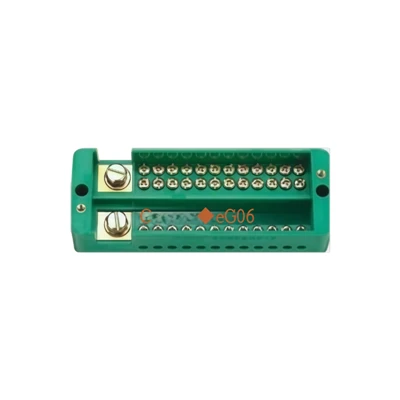




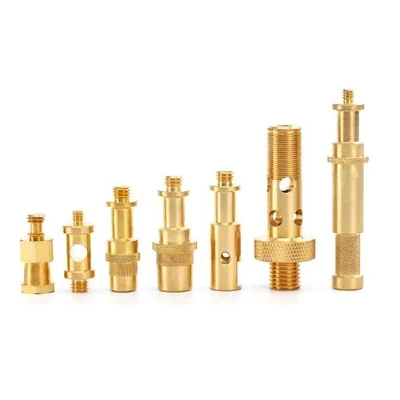


Alright, folks! I'm a supplier of metering junction boxes, and today I'm gonna chat about the installation requirements for these nifty devices. Metering junction boxes play a super important role in electrical systems, helping to manage and measure electrical consumption accurately. Whether you're an electrician, a building owner, or just someone interested in electrical stuff, this info'll come in handy.
Location, Location, Location
First things first, the location where you install your metering junction box is crucial. It needs to be in a place that's easily accessible for maintenance and inspection. You don't wanna put it in a spot that's gonna be a pain to get to later on. For instance, if it's in a commercial building, it could be in a utility room or a dedicated electrical closet.
The area should also be dry and free from excessive dust and moisture. Moisture can cause corrosion and damage the internal components of the metering junction box. So, avoid installing it in basements that are prone to flooding or in areas where there's a lot of steam, like near industrial boilers.
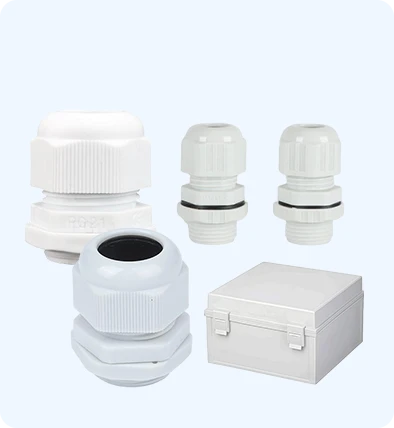
If you're installing it outdoors, make sure it's protected from the elements. You might need to use a weatherproof enclosure. And it should be mounted at a reasonable height, usually between 1.2 to 1.8 meters from the ground, for easy reach.
Electrical Clearance
Electrical clearance is another key aspect. You gotta maintain a certain distance between the metering junction box and other electrical equipment, as well as any conductive materials. This helps prevent electrical interference and reduces the risk of short - circuits.
As a general rule, there should be at least 300 mm of clearance around the box. This includes the top, sides, and bottom. If you're installing multiple metering junction boxes side by side, leave enough space between them to allow for proper ventilation and easy access to the terminals.
Mounting
Proper mounting is essential to ensure the stability of the metering junction box. It should be securely fastened to a solid structure, like a wall or a metal frame. Use the appropriate mounting hardware, such as bolts or screws, depending on the type of surface you're mounting on.


If you're mounting on a wooden wall, make sure the screws are long enough to provide a good hold. For a metal frame, use bolts that are compatible with the frame's thickness and material. And always double - check that the box is level after mounting. An unevenly mounted box can cause stress on the wires and connections, leading to potential issues down the road.
Wiring
Now, let's talk about wiring. This is one of the most critical parts of the installation process. You need to follow the wiring diagram provided with the metering junction box precisely. The diagram will show you how to connect the incoming and outgoing wires correctly.
When selecting wires, make sure they're of the right gauge for the electrical load. Using wires that are too thin can cause overheating and pose a fire hazard. You can refer to the National Electrical Code (NEC) or local electrical regulations to determine the appropriate wire gauge.
The wires should be neatly arranged inside the box and secured with cable ties or clamps. Avoid overcrowding the box, as this can make it difficult to troubleshoot problems later. And always make sure the connections are tight. Loose connections can lead to voltage drops, arcing, and other electrical issues.
Grounding
Grounding is a must - have for metering junction boxes. It provides a safe path for electrical current in case of a fault, protecting both the equipment and people. The box itself should be grounded to a proper grounding electrode, such as a grounding rod.
The grounding conductor should be of an appropriate size, usually determined by the electrical service size. And it should be securely connected to the grounding terminal inside the box and to the grounding electrode outside. You can also use grounding bars to ensure multiple points of grounding if needed.
Types of Metering Junction Boxes and Their Installation Nuances
We offer a variety of metering junction boxes, and each type might have some specific installation requirements.
GPRS Metering Block
The GPRS Metering Block is a high - tech option that allows for remote monitoring of electrical consumption. When installing this block, in addition to the general installation steps we've covered, you need to ensure that it has a clear line of sight for the GPRS antenna. If it's installed indoors, make sure the antenna is placed near a window or in an area where the signal can penetrate.
Anti Tamper Metering Block
The Anti Tamper Metering Block is designed to prevent unauthorized access and tampering. During installation, you need to pay extra attention to the locking mechanism. Make sure it's properly installed and functioning correctly. Also, the block should be installed in a location that's visible but not easily accessible to unauthorized personnel.
Single Phase Thirteen Meter Terminal
The Single Phase Thirteen Meter Terminal is commonly used in residential or small - scale commercial applications. When installing it, ensure that the terminals are clearly labeled for each meter. This makes it easier to identify and troubleshoot any issues with the individual meters.
Two Inlet Six Outlet Neutral Box
The Two Inlet Six Outlet Neutral Box is used to manage the neutral connections in an electrical system. You need to be extra careful when connecting the neutral wires. Ensure that the connections are tight and that there's no voltage present on the neutral bus bar during installation.
Eight Circuit Repeatable Grounding Box
The Eight Circuit Repeatable Grounding Box is designed for reliable grounding in multiple - circuit systems. When installing it, make sure each circuit is properly grounded to the box. Check the grounding resistance regularly to ensure it meets the required standards.
Final Checks
Once you've completed the installation, it's time for some final checks. First, visually inspect the box and all the connections. Make sure there are no loose wires, damaged components, or signs of improper installation.
Then, use a multimeter to check the electrical parameters, such as voltage, current, and resistance. Compare the readings with the expected values. If there are any discrepancies, go back and troubleshoot the issue.
Finally, test the functionality of the metering junction box. If it's a smart box with remote monitoring capabilities, make sure the communication is working properly.
Wrapping Up
Well, that's a pretty comprehensive look at the installation requirements for metering junction boxes. As a supplier, I know how important it is to get these installations right. If you have any questions about the installation process or need help choosing the right metering junction box for your application, don't hesitate to reach out. We're here to assist you every step of the way. Whether you're working on a small residential project or a large commercial installation, we've got the products and the expertise to meet your needs. Contact us for a quote and let's start this metering journey together!
References
- National Electrical Code (NEC).
- Manufacturer's installation manuals for metering junction boxes.