





Hey there! I'm a supplier of neutral boxes, and while I love what I do, I also think it's super important to be honest about the products I offer. So, today, I'm going to talk about the disadvantages of using neutral boxes.
Cost Considerations
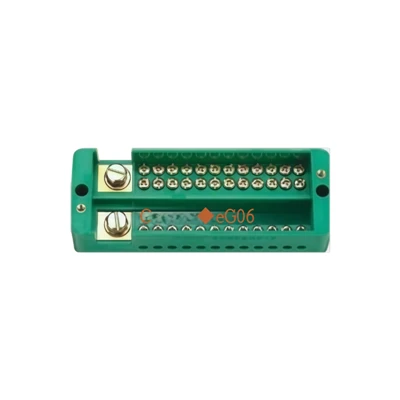
First off, cost is a biggie. Neutral boxes can be pretty pricey. When you're looking at options like the Twenty Four Circuit Repeatable Grounding Box or the Two Inlet Twenty Four Outlet Neutral Box, you're not just paying for the box itself. There are also installation costs, and if you need to replace parts down the line, that's more money out of your pocket. These boxes often come with a premium price tag because of the high - quality materials and the technology used to make them. For small businesses or projects on a tight budget, this can be a real deal - breaker.
Installation Complexity
Installing a neutral box isn't a walk in the park. It requires a certain level of technical expertise. You can't just grab a toolbox and start putting it together. You need to have a good understanding of electrical systems, grounding, and wiring. Even if you hire a professional, it can take a long time to install, especially for more complex models like the Twelve Circuit Repeatable Grounding Box. This means more labor costs and potential downtime if you're using it in a commercial setting. And if the installation isn't done correctly, it can lead to all sorts of problems, from electrical malfunctions to safety hazards.
Limited Compatibility
Another drawback is that neutral boxes may not be compatible with all electrical systems. Different regions have different electrical standards, and some older systems may not work well with modern neutral boxes. For example, if you have an old building with outdated wiring, you might run into issues when trying to install a Two Inlet Six Outlet Neutral Box. You may need to upgrade your entire electrical system to make it work, which is not only expensive but also time - consuming.
Maintenance Requirements
Neutral boxes need regular maintenance to keep them in good working condition. You have to check for loose connections, corrosion, and other signs of wear and tear. If you don't do this, it can lead to electrical failures. And maintenance isn't always easy. Some parts of the box may be hard to access, especially in larger models like the Twenty Four Circuit Repeatable Grounding Box. This means you might need to hire a professional for maintenance, which adds to the overall cost.
Safety Concerns
Even though neutral boxes are designed to enhance safety, there are still some safety concerns. If there's a problem with the grounding or wiring in the box, it can create a risk of electrical shock. And if the box overheats, it could potentially start a fire. This is especially true if the box is overloaded or if there are faulty components. You need to be extra careful when using neutral boxes and make sure you follow all the safety guidelines.
Size and Space Constraints
Neutral boxes can take up a lot of space, especially the larger ones. If you're working in a small area, like a cramped electrical room, it can be difficult to find a place to install a Eight Circuit Repeatable Grounding Box or a bigger model. This can limit your options and make it challenging to set up your electrical system efficiently.
Environmental Impact
The production and disposal of neutral boxes can have an environmental impact. The materials used in these boxes, such as metals and plastics, often come from non - renewable resources. And when it's time to get rid of an old box, you need to make sure it's disposed of properly to avoid pollution. Recycling these boxes can be difficult and costly, so many end up in landfills.
Technical Obsolescence
Technology is always evolving, and neutral boxes are no exception. What may be state - of - the - art today could be obsolete in a few years. If you invest in a neutral box, you run the risk of it becoming outdated quickly. This means you may have to replace it sooner than you'd like, which is an additional cost.
Lack of Customization
In some cases, neutral boxes may not offer a high level of customization. You may be stuck with a standard design that doesn't exactly meet your specific needs. For example, if you have a unique electrical setup, you might find that the available boxes don't have the right number of circuits or outlets. This can be frustrating, especially if you're trying to optimize your electrical system.
Despite all these disadvantages, neutral boxes still have their uses. They can provide a stable neutral connection, improve electrical safety, and help manage electrical loads. If you're thinking about buying a neutral box, it's important to weigh the pros and cons carefully.


If you're interested in learning more about our neutral boxes or have any questions about how they might work for your specific situation, feel free to reach out. We're here to help you make an informed decision and find the best solution for your electrical needs.
References
- Electrical Engineering Handbook, various editions
- Industry reports on electrical equipment and safety standards