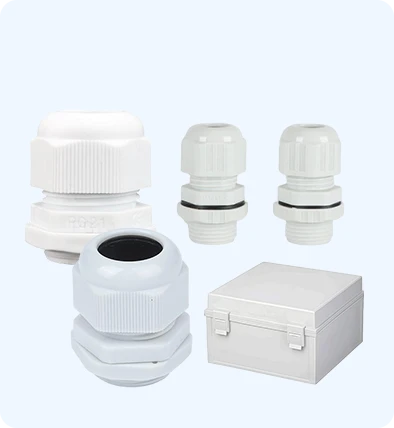






As a seasoned supplier of plastic enclosures, I've witnessed firsthand the diverse needs and creative applications of our products. One common query that arises frequently is how to bend plastic enclosures effectively. Whether you're looking to customize a Plastic Sealed Box 300x200x140 Flip Cover for a unique project or create a specific shape with a Plastic Waterproof Enclosure 170x220x110 Hinged, understanding the bending process is crucial. In this blog, I'll share some valuable insights and techniques to help you achieve the desired results.
Understanding the Plastic Material
Before you start bending plastic enclosures, it's essential to understand the type of plastic you're working with. Different plastics have varying properties, such as melting points, flexibility, and heat resistance. Some common plastics used in enclosures include polycarbonate, acrylic, ABS, and PVC.
Polycarbonate
Polycarbonate is a strong and durable plastic known for its high impact resistance. It has a relatively high melting point, making it suitable for applications where heat resistance is required. Polycarbonate can be bent using heat, but it requires careful control to avoid cracking or deforming.
Acrylic
Acrylic is a clear and rigid plastic that offers excellent transparency. It is relatively easy to bend compared to polycarbonate, but it has a lower heat resistance. Acrylic can be bent using a heat gun or a bending jig to achieve the desired shape.
ABS
ABS is a popular choice for plastic enclosures due to its good balance of strength, stiffness, and impact resistance. It has a moderate melting point and can be easily bent using heat. ABS is also available in a variety of colors, making it a versatile option for different applications.
PVC
PVC is a flexible and cost-effective plastic that is commonly used in electrical enclosures. It has a low melting point and can be easily bent using a heat gun or a hot air blower. PVC is also resistant to chemicals and moisture, making it suitable for outdoor applications.
Tools and Equipment
To bend plastic enclosures, you'll need the following tools and equipment:
Heat Source
A heat source is essential for bending plastic enclosures. You can use a heat gun, a hot air blower, or an oven to heat the plastic. Make sure to choose a heat source that can provide a consistent and controlled heat output.
Bending Jig
A bending jig is a tool used to hold the plastic in place while you bend it. You can make a bending jig using a piece of wood or metal, or you can purchase a pre-made bending jig from a hardware store.
Measuring Tools
Measuring tools, such as a ruler or a tape measure, are essential for ensuring accurate bends. Make sure to measure the plastic carefully before you start bending it to ensure that you achieve the desired shape.
Safety Equipment
When working with heat, it's important to wear safety equipment, such as gloves and eye protection, to protect yourself from burns and injuries.
Bending Techniques
There are several techniques you can use to bend plastic enclosures, depending on the type of plastic and the desired shape. Here are some common bending techniques:
Heat Gun Bending
Heat gun bending is a popular technique for bending plastic enclosures. To use this technique, you'll need a heat gun and a bending jig. Here's how to do it:
- Place the plastic enclosure on the bending jig and mark the location where you want to bend it.
- Set the heat gun to a medium temperature and hold it about 2-3 inches away from the plastic.
- Move the heat gun slowly back and forth along the marked line, heating the plastic evenly.
- As the plastic heats up, it will become more flexible. Use your hands or a bending tool to gently bend the plastic to the desired angle.
- Hold the plastic in place for a few seconds until it cools and retains its shape.
Oven Bending
Oven bending is another technique for bending plastic enclosures. This technique is suitable for larger plastic enclosures or for plastics that require a more uniform heat distribution. Here's how to do it:
- Preheat the oven to the recommended temperature for the type of plastic you're using.
- Place the plastic enclosure on a baking sheet lined with parchment paper.
- Put the baking sheet in the oven and let the plastic heat up for the recommended time.
- Use oven mitts to remove the baking sheet from the oven and quickly transfer the plastic enclosure to the bending jig.
- Use your hands or a bending tool to gently bend the plastic to the desired angle.
- Hold the plastic in place for a few seconds until it cools and retains its shape.
Cold Bending
Cold bending is a technique for bending plastic enclosures without using heat. This technique is suitable for thin and flexible plastics, such as PVC. Here's how to do it:
- Mark the location where you want to bend the plastic.
- Use a sharp knife or a scoring tool to make a shallow cut along the marked line.
- Bend the plastic along the scored line using your hands or a bending tool.
- Hold the plastic in place for a few seconds until it retains its shape.
Tips and Tricks
Here are some tips and tricks to help you bend plastic enclosures successfully:
Choose the Right Plastic
As mentioned earlier, different plastics have different properties, so it's important to choose the right plastic for your project. Make sure to consider the required strength, flexibility, heat resistance, and transparency when choosing a plastic.
Use the Right Heat Source
Using the right heat source is crucial for bending plastic enclosures effectively. Make sure to choose a heat source that can provide a consistent and controlled heat output. If you're using a heat gun, make sure to keep it moving to avoid overheating the plastic.
Protect Your Work Surface
When bending plastic enclosures, it's important to protect your work surface from heat damage. You can use a heat-resistant mat or a piece of cardboard to protect your work surface.
Practice on Scrap Plastic
If you're new to bending plastic enclosures, it's a good idea to practice on scrap plastic before working on your actual project. This will help you get a feel for the bending process and avoid making mistakes.


Be Patient
Bending plastic enclosures takes time and patience. Make sure to take your time and follow the steps carefully to ensure that you achieve the desired results.
Conclusion
Bending plastic enclosures is a skill that can be learned with practice. By understanding the type of plastic you're working with, using the right tools and equipment, and following the proper bending techniques, you can achieve the desired shape and customize your plastic enclosures to meet your specific needs. If you have any questions or need further assistance, please don't hesitate to contact us. We're here to help you with all your plastic enclosure needs.
If you're interested in purchasing high-quality plastic enclosures for your projects, we invite you to explore our wide range of products, including the Plastic Sealed Box 300x200x140 Flip Cover, Plastic Waterproof Enclosure 170x220x110 Hinged, and Plastic Waterproof Enclosure 125x125x100 Transparent. Our team is ready to provide you with expert advice and support for your procurement needs. Contact us to start a productive discussion and find the perfect solutions for your applications.
References
- "Plastic Materials and Their Properties." Plastics Technology Handbook.
- "Bending Techniques for Plastic Enclosures." Industrial Plastics Journal.
- "Safety Guidelines for Working with Heat and Plastics." Occupational Safety and Health Administration (OSHA).