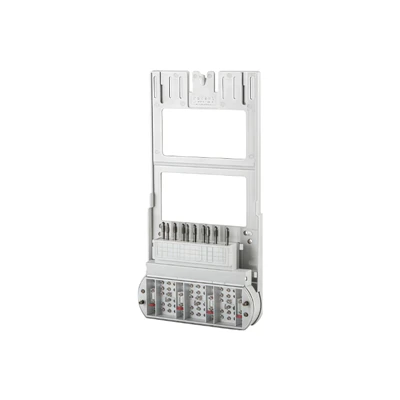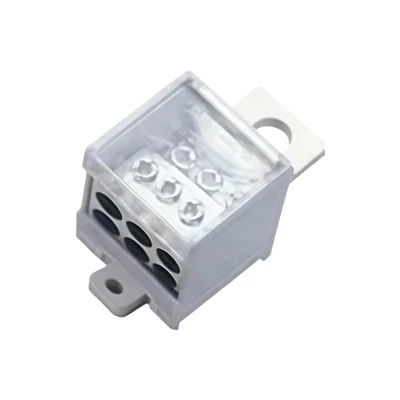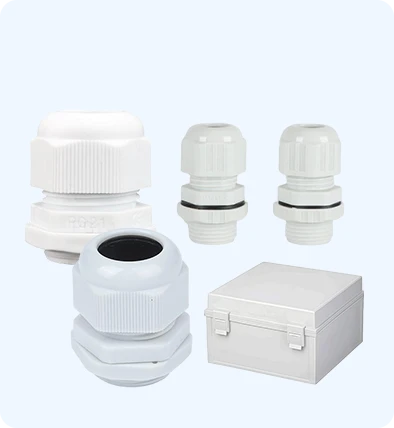






Hey there! I'm a supplier of China neutral boxes, and I know how important it is to ensure the quality of these products. In this blog, I'll share some tips on how to check the quality of China neutral boxes, based on my experience in the industry.
1. Material Inspection
The first step in checking the quality of China neutral boxes is to inspect the materials used. High - quality neutral boxes are typically made from durable and reliable materials.
- Metal Boxes: If it's a metal neutral box, look at the thickness of the metal. A thicker metal generally means better durability and protection. Check for any signs of rust or corrosion on the surface. Rust can weaken the structure of the box over time and may also cause problems with electrical conductivity if it's an electrical neutral box. For example, a good - quality metal box should have a smooth finish, and there should be no sharp edges that could cause injury during installation or handling.
- Plastic Boxes: For plastic neutral boxes, examine the plastic's quality. It should be strong and not brittle. You can try bending a small part of the box gently. If it cracks easily, it's a sign of poor - quality plastic. Also, check for any discoloration or unevenness in the plastic, which might indicate manufacturing defects.
2. Dimensions and Fit
Accurate dimensions are crucial for neutral boxes, especially when they need to fit into a specific system or space.
- Measurement: Use a measuring tool, like a ruler or caliper, to check the length, width, and height of the box. Compare these measurements with the specifications provided by the supplier. Any significant deviation could lead to installation problems. For instance, if the box is supposed to fit into a particular rack, and its dimensions are off, it won't fit properly.
- Hole Placement: If the box has holes for wiring or mounting, check the placement of these holes. They should be in the correct positions as specified. Incorrect hole placement can make it difficult or impossible to connect wires or mount the box securely.
3. Electrical Performance (if applicable)
Many neutral boxes are used in electrical systems, so it's essential to check their electrical performance.
- Conductivity: Test the electrical conductivity of the neutral bar inside the box. A good neutral bar should have low resistance, which ensures efficient electrical flow. You can use a multimeter to measure the resistance. If the resistance is too high, it could lead to power losses or overheating.
- Insulation: Check the insulation of the box. The box should provide proper insulation to prevent electrical shocks. Look for any signs of damaged insulation, such as cracks or exposed wires.
4. Assembly and Construction
The way the box is assembled and constructed can also indicate its quality.
- Welds and Joints: In metal boxes, check the quality of the welds. Good welds should be strong and smooth, with no signs of cracks or porosity. In plastic boxes, examine the joints where different parts are connected. They should be firmly joined and not come apart easily.
- Sealing: If the box is supposed to be sealed to protect against dust, moisture, or other environmental factors, check the sealing. A proper seal should prevent the entry of foreign substances. You can try using a small amount of water or air pressure to test the seal.
5. Brand and Reputation
The brand and reputation of the supplier can also give you an idea about the quality of the neutral boxes.
- Research: Do some research on the supplier. Look for reviews and feedback from other customers. A supplier with a good reputation is more likely to provide high - quality products. You can also check if the supplier has any certifications or awards related to the manufacturing of neutral boxes.
Examples of Quality Neutral Boxes
There are various types of neutral boxes available in the market. For example, the Twenty Circuit Repeatable Grounding Box is designed for specific electrical applications. It offers multiple circuits and repeatable grounding, which is important for reliable electrical performance.
Another option is the Eight Circuit Repeatable Grounding Box. This box is suitable for smaller electrical systems where fewer circuits are required.
If you need a larger capacity, the Twenty Four Circuit Repeatable Grounding Box might be the right choice. It can handle more electrical circuits and provides a high - level of grounding repeatability.
Conclusion
Checking the quality of China neutral boxes requires a comprehensive approach. By inspecting the materials, dimensions, electrical performance, assembly, and considering the brand reputation, you can ensure that you're getting a high - quality product.
If you're interested in purchasing China neutral boxes, feel free to reach out for more information and to start a procurement discussion. We're here to help you find the best neutral boxes for your needs.


References
- General knowledge from years of experience in the neutral box supply industry.
- Industry standards and best practices for neutral box manufacturing.