





When it comes to electrical systems in hazardous areas, safety is of paramount importance. As a supplier of meter connectors, I often receive inquiries about the suitability of our products for use in such environments. This blog post aims to delve into this topic, examining the key factors that determine whether meter connectors are suitable for hazardous areas.
Understanding Hazardous Areas
Hazardous areas are defined as locations where there is a risk of explosion due to the presence of flammable gases, vapors, dusts, or fibers. These areas are classified based on the likelihood and duration of the presence of the explosive atmosphere. The most common classification systems are the International Electrotechnical Commission (IEC) and the National Electrical Code (NEC) in the United States.
The IEC classifies hazardous areas into zones:
- Zone 0: An area in which an explosive gas atmosphere is present continuously or for long periods.
- Zone 1: An area in which an explosive gas atmosphere is likely to occur in normal operation.
- Zone 2: An area in which an explosive gas atmosphere is not likely to occur in normal operation and, if it occurs, will exist only for a short time.
The NEC classifies hazardous areas into classes and divisions:
- Class I: Flammable gases or vapors.
- Division 1: An area where the hazardous gas or vapor is present continuously, intermittently, or periodically under normal operating conditions.
- Division 2: An area where the hazardous gas or vapor is not likely to exist under normal operating conditions and would exist only in the case of an accident or abnormal operating conditions.
- Class II: Combustible dusts.
- Division 1: An area where combustible dust is present continuously, intermittently, or periodically under normal operating conditions.
- Division 2: An area where combustible dust is not likely to exist under normal operating conditions and would exist only in the case of an accident or abnormal operating conditions.
- Class III: Ignitable fibers or flyings.
- Division 1: An area where ignitable fibers or flyings are present continuously, intermittently, or periodically under normal operating conditions.
- Division 2: An area where ignitable fibers or flyings are not likely to exist under normal operating conditions and would exist only in the case of an accident or abnormal operating conditions.
Requirements for Meter Connectors in Hazardous Areas
Meter connectors used in hazardous areas must meet specific requirements to ensure safety. These requirements are typically defined by international standards, such as the IEC 60079 series of standards for explosive atmospheres. The main requirements for meter connectors in hazardous areas include:


- Explosion-proof design: The connector must be designed to prevent the ignition of the explosive atmosphere inside the connector from causing an explosion outside the connector. This is typically achieved through the use of flameproof enclosures or intrinsic safety techniques.
- Sealing: The connector must be sealed to prevent the ingress of flammable gases, vapors, dusts, or fibers into the connector. This helps to maintain the integrity of the explosion-proof design and prevent the formation of an explosive atmosphere inside the connector.
- Material selection: The materials used in the connector must be compatible with the hazardous environment. For example, in areas where there is a risk of corrosion, the connector must be made of corrosion-resistant materials.
- Electrical performance: The connector must maintain its electrical performance under the conditions of the hazardous environment. This includes factors such as insulation resistance, contact resistance, and voltage rating.
Our Meter Connector Products for Hazardous Areas
As a supplier of meter connectors, we offer a range of products that are suitable for use in hazardous areas. Our products are designed and tested to meet the relevant international standards for explosive atmospheres. Here are some of our key products:
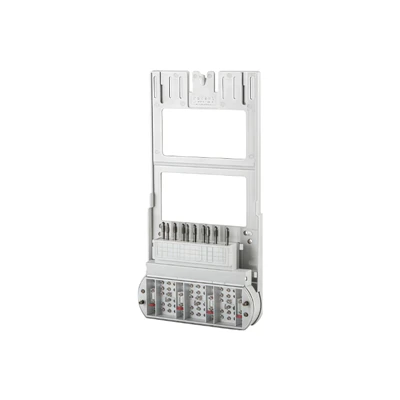
- Three Phase CT Clearance Split Connector 6A: This connector is designed for use in three-phase electrical systems. It features a split design that allows for easy installation and removal of the current transformer. The connector is explosion-proof and sealed to prevent the ingress of flammable gases and dusts.
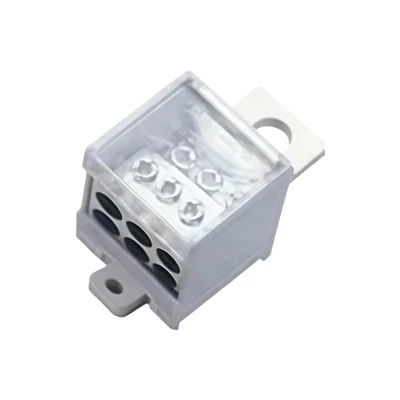
- Three Phase Clearance Connector 60A: This connector is suitable for high-current applications in three-phase electrical systems. It provides a clear indication of the electrical connection status and is designed to meet the requirements of hazardous areas. The connector is made of high-quality materials that are resistant to corrosion and mechanical stress.
- Three Phase Interference Connector 80A: This connector is designed to minimize electrical interference in three-phase electrical systems. It is suitable for use in hazardous areas where there is a risk of electromagnetic interference. The connector is explosion-proof and sealed to prevent the ingress of flammable gases and dusts.
Case Studies
To illustrate the suitability of our meter connectors for use in hazardous areas, let's look at some case studies:
- Oil and gas industry: In an oil refinery, our Three Phase CT Clearance Split Connector 6A was used to connect current transformers in a hazardous area. The connector was installed in a Zone 1 area where there was a risk of flammable gas leakage. The explosion-proof design and sealing of the connector ensured that there was no risk of ignition of the explosive atmosphere.
- Chemical industry: In a chemical plant, our Three Phase Clearance Connector 60A was used to connect high-current electrical circuits in a hazardous area. The connector was installed in a Class I, Division 1 area where there was a risk of combustible dust. The corrosion-resistant materials and sealing of the connector ensured that it could withstand the harsh chemical environment and prevent the ingress of dust.
- Mining industry: In a coal mine, our Three Phase Interference Connector 80A was used to connect electrical circuits in a hazardous area. The connector was installed in a Class II, Division 2 area where there was a risk of coal dust. The explosion-proof design and electromagnetic interference shielding of the connector ensured that it could operate safely in the presence of dust and electrical interference.
Conclusion
In conclusion, meter connectors can be suitable for use in hazardous areas if they are designed and tested to meet the relevant international standards for explosive atmospheres. Our range of meter connectors is specifically designed for use in hazardous areas and offers features such as explosion-proof design, sealing, and material compatibility. By choosing our products, you can ensure the safety and reliability of your electrical systems in hazardous environments.
If you are interested in purchasing meter connectors for use in hazardous areas, please contact us to discuss your specific requirements. We are committed to providing high-quality products and excellent customer service.
References
- IEC 60079 series of standards for explosive atmospheres.
- National Electrical Code (NEC) in the United States.