





Hey there! I'm a supplier of distribution terminals, and today I wanna chat about the storage conditions for these little power - distributing heroes.
Why Storage Conditions Matter
Distribution terminals are like the traffic cops of the electrical world. They direct the flow of electricity in a safe and efficient way. But if they're not stored properly, they can get damaged, which means they won't work as well or might even stop working altogether. That's a big no - no, especially when you're relying on them to keep your electrical systems running smoothly.
Temperature Considerations
One of the most important things to think about when storing distribution terminals is temperature. Extreme temperatures can be really bad for these devices.
If it's too hot, the materials inside the terminals can start to expand. This expansion can cause the internal components to shift or even break. For example, the plastic casing might warp, and the metal conductors could become loose. On the other hand, if it's too cold, the materials can contract. This contraction can lead to cracks in the casing or brittle connections.
So, what's the ideal temperature range? Well, generally, it's best to store distribution terminals in an environment where the temperature is between 10°C and 35°C. This range helps to keep the materials in a stable state and reduces the risk of damage.
Humidity Levels
Humidity is another factor that can have a big impact on distribution terminals. High humidity can lead to moisture buildup inside the terminals. Moisture can cause corrosion of the metal parts, which can weaken the electrical connections and reduce the performance of the terminals.
A relative humidity level of around 40% - 60% is ideal for storing distribution terminals. If the humidity is too high, you can use dehumidifiers to bring it down. And if it's too low, you might need to use a humidifier to prevent the materials from drying out too much.
Dust and Dirt
Dust and dirt are the enemies of distribution terminals. When dust gets inside the terminals, it can accumulate on the electrical contacts. This accumulation can increase the resistance in the circuit, which means that the terminals might not be able to distribute electricity as efficiently. In some cases, it can even cause short - circuits.
To keep dust and dirt away, it's a good idea to store the terminals in sealed containers or cabinets. You can also clean the storage area regularly to prevent dust from building up.


Protection from Physical Damage
Distribution terminals are delicate devices, and they need to be protected from physical damage. Bumping, dropping, or crushing them can cause internal components to break or become misaligned.
When storing the terminals, make sure they're placed in a stable location where they won't be knocked over. You can also use padding or foam to protect them from impacts.
Different Types of Distribution Terminals and Their Storage
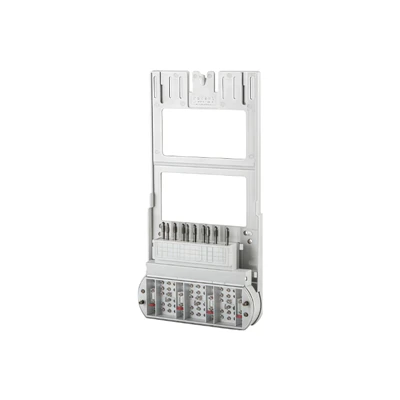
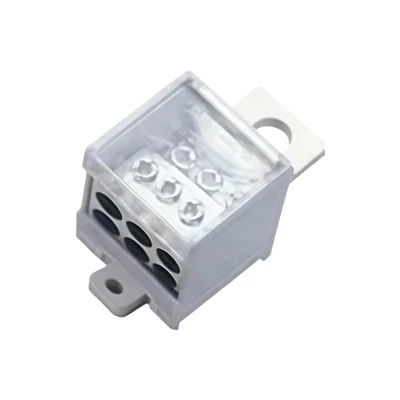
We offer a variety of distribution terminals, like the Single Pole One Inlet Eight Outlet, Single Pole One Inlet Five Outlet, and Single Pole One Inlet Twelve Outlet. Each type might have slightly different storage requirements based on its design and the materials used.
For example, some terminals with more complex internal structures might be more sensitive to temperature and humidity changes. So, it's important to check the manufacturer's guidelines for each specific type of terminal.
Ventilation
Proper ventilation is also crucial for storing distribution terminals. Good ventilation helps to keep the air fresh and prevent the buildup of heat and moisture. If the storage area is poorly ventilated, the temperature and humidity levels can rise quickly, which can damage the terminals.
Make sure the storage area has enough vents or fans to keep the air circulating. This will help to maintain a stable environment for the terminals.
Long - Term Storage
If you're planning to store the distribution terminals for a long time, there are a few extra things to consider. First, you should check on them regularly to make sure they're still in good condition. You can do a visual inspection to look for any signs of damage, like cracks or corrosion.
Second, it's a good idea to store the terminals in a way that makes them easy to access. This will make it easier to check on them and also to retrieve them when you need to use them.
Contact for Purchase and Consultation
If you're in the market for high - quality distribution terminals or have any questions about their storage or usage, don't hesitate to reach out. We're here to help you make the right choice and ensure that your electrical systems are running at their best. Whether you need a single terminal or a large quantity for a big project, we've got you covered.
References
- Electrical Equipment Storage Guidelines, Industry Standards Publication
- Manufacturer's Manuals for Distribution Terminals