





As a supplier of neutral boxes, I often receive inquiries about whether these boxes can be used for food packaging. This is a crucial question that involves not only the functionality of the boxes but also public health and safety. In this blog, I will explore the feasibility of using neutral boxes for food packaging from various scientific and practical perspectives.
Understanding Neutral Boxes
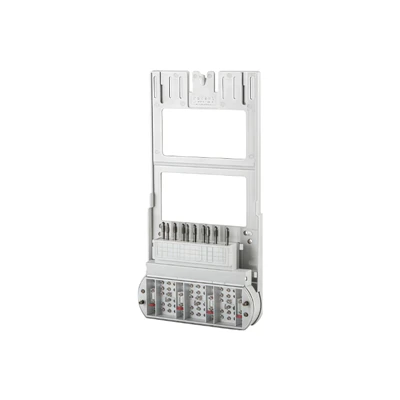
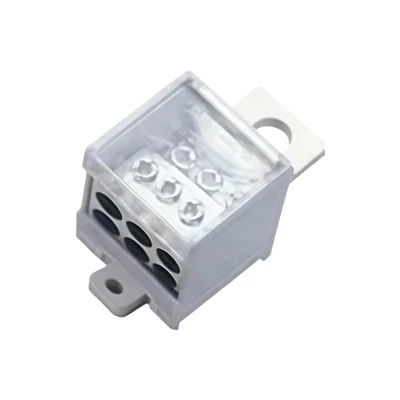
Neutral boxes come in different types and configurations. For instance, we offer the Twelve Circuit Repeatable Grounding Box, the Four Inlet Six Outlet Neutral Box, and the Two Inlet Six Outlet Neutral Box. These boxes are primarily designed for electrical metering and junction applications. They are made of materials that are selected for their electrical conductivity, durability, and resistance to environmental factors.
Material Compatibility with Food
The first and most important aspect to consider is the material of the neutral boxes. Food packaging materials must be non - toxic and should not leach harmful substances into the food. Most neutral boxes are made of metals such as steel or aluminum, or plastics.
Metals like stainless steel are often used in food processing and packaging due to their corrosion resistance and non - reactivity. If a neutral box is made of high - quality stainless steel, it could potentially be suitable for food packaging. However, it is essential to ensure that the steel has a smooth finish to prevent the accumulation of food particles and bacteria. Additionally, any coatings or treatments on the metal should be food - grade and approved by relevant regulatory bodies.
Plastic neutral boxes, on the other hand, need to be made from food - safe plastics. Common food - grade plastics include polyethylene (PE), polypropylene (PP), and polyethylene terephthalate (PET). These plastics are known for their low toxicity and good chemical stability. If the plastic used in the neutral box meets the food - safety standards, it can be a viable option for food packaging.
Hygiene and Cleanliness
Hygiene is a critical factor in food packaging. Neutral boxes are typically designed for industrial or electrical use, and they may not have the same level of hygiene requirements as food packaging. To use neutral boxes for food, they must be thoroughly cleaned and sanitized before use.
The design of the box also plays a role in maintaining hygiene. Boxes with smooth interiors and minimal crevices are easier to clean and less likely to harbor bacteria. If the neutral box has complex internal structures or sharp edges, it may be difficult to clean effectively, which could pose a risk to food safety.
Protection from External Factors
Food packaging needs to protect the food from various external factors such as moisture, oxygen, light, and physical damage. Neutral boxes are designed to protect electrical components from environmental factors, but their ability to protect food may vary.
For example, metal neutral boxes can provide good protection against physical damage and some degree of moisture resistance. However, they may not be effective in blocking oxygen and light, which can cause food to spoil or lose its nutritional value. Plastic neutral boxes can be designed with barriers to oxygen and light, but their moisture resistance may depend on the type of plastic and the thickness of the material.
Regulatory Compliance
Using neutral boxes for food packaging must comply with relevant food safety regulations. In many countries, there are strict standards for food packaging materials, including requirements for labeling, testing, and certification.
Before using neutral boxes for food, it is necessary to ensure that the boxes meet all the regulatory requirements. This may involve conducting tests to determine the migration of substances from the box to the food, as well as obtaining the necessary certifications from regulatory authorities.
Cost - Effectiveness
From a business perspective, cost - effectiveness is an important consideration. Neutral boxes are often mass - produced for industrial applications, which may result in lower costs compared to specialized food packaging. However, the cost of modifying the boxes to meet food - safety standards, such as cleaning, coating, and testing, should also be taken into account.
If the cost of adapting neutral boxes for food packaging is reasonable and the boxes can provide adequate protection for the food, they can be a cost - effective alternative to traditional food packaging.
Case Studies and Examples
There are some cases where neutral boxes have been adapted for food - related applications. For example, in some small - scale food production facilities, modified metal neutral boxes have been used to store and transport dry food products such as grains and nuts. These boxes were cleaned and lined with food - grade materials to ensure food safety.
However, it is important to note that these are exceptions rather than the norm. In most cases, specialized food packaging is preferred due to its better design and compliance with food - safety regulations.
Conclusion
In conclusion, while it is possible to use neutral boxes for food packaging under certain conditions, it is not a straightforward solution. The material of the box must be food - safe, and it must be cleaned and sanitized to meet hygiene standards. The box should also provide adequate protection from external factors and comply with relevant food - safety regulations.


If you are considering using neutral boxes for food packaging, I recommend conducting a thorough assessment of the boxes' suitability and consulting with food - safety experts. As a neutral box supplier, we are committed to providing high - quality products and can work with you to explore the feasibility of using our boxes for food packaging.
If you are interested in learning more about our neutral boxes or discussing potential applications for food packaging, please feel free to contact us for further details and to initiate a procurement discussion.
References
- Food and Agriculture Organization of the United Nations (FAO). Guidelines for Food Packaging.
- World Health Organization (WHO). Food Safety Regulations and Standards.
- National Institute of Standards and Technology (NIST). Standards for Packaging Materials.