





Hey there! As a supplier of China cable glands, I often get asked about the installation space requirements for these nifty little devices. So, I thought I'd take a moment to break it all down for you in a way that's easy to understand.
First off, let's talk about what cable glands are and why installation space matters. Cable glands are used to secure and seal cables where they enter an enclosure or piece of equipment. They prevent dust, dirt, and moisture from getting in, which can damage the cables and the equipment they're connected to. And having the right amount of space for installation is crucial for ensuring that the cable glands work properly and are easy to install.
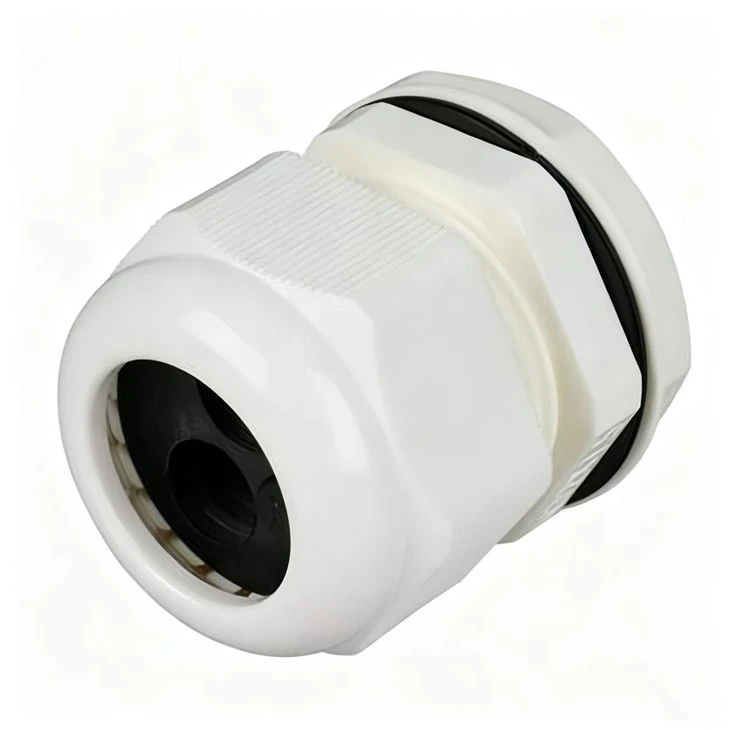

Now, the installation space requirements for China cable glands can vary depending on a few different factors. One of the main factors is the size of the cable gland itself. Different cable glands come in different sizes, and each size will have its own specific space requirements.
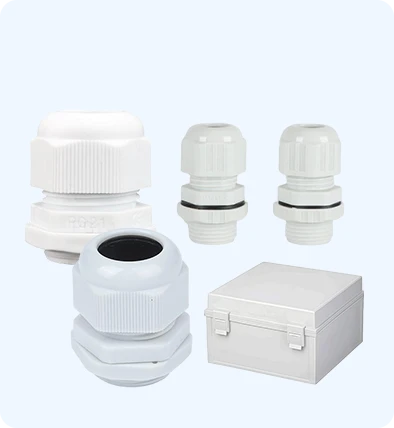
For example, let's take a look at some common sizes of nylon cable glands. The Nylon Cable Gland Metric M20 is a relatively small cable gland. It's designed to fit cables with a certain range of diameters. When it comes to installation space, you'll need to make sure there's enough room around the entry point for the gland to be inserted and tightened properly. You don't want to be squeezing it into a tight space, as this can make it difficult to install and may also affect its sealing performance.
The Nylon Cable Gland Metric M25 is a bit larger than the M20. It can handle slightly larger cables, and as a result, it requires a bit more space for installation. You'll need to ensure that the opening in the enclosure or equipment is big enough to accommodate the gland, and there should also be some clearance around it for easy access during installation and maintenance.
Then we have the Nylon Cable Gland Metric M32. This is an even larger cable gland, designed for larger cables. With this size, you really need to pay attention to the installation space. You might need to drill a bigger hole in the enclosure, and there should be plenty of room around the gland to make sure it can be installed correctly and that the cables can be routed without getting kinked or pinched.
Another factor that affects the installation space requirement is the type of cable being used. Different cables have different diameters and flexibility. A thicker cable will obviously require more space in the cable gland and around the installation area. And if the cable is stiff or difficult to bend, you'll need to make sure there's enough space to maneuver it into the gland without damaging it.
The way the cable is routed also plays a role. If the cable needs to make sharp bends or turns near the installation point, you'll need to allow for extra space to accommodate these bends. This is especially important for maintaining the integrity of the cable and ensuring that it doesn't get damaged over time.
In addition to the physical space around the cable gland, you also need to consider the space inside the enclosure. The cable gland is just the entry point, and once the cable is inside, it needs to be routed to its destination within the enclosure. You'll need to make sure there's enough room for the cable to be laid out neatly and that it doesn't interfere with other components or wiring inside.
When it comes to actually installing the cable gland, it's a good idea to have a little extra space than you think you'll need. This gives you some wiggle room in case there are any unexpected issues during the installation process. It also makes it easier to make adjustments if needed.
So, how do you determine the exact installation space requirements for your specific situation? Well, the first step is to check the product specifications for the cable gland you're using. These specifications will usually include details about the recommended installation space, such as the minimum and maximum hole sizes for the enclosure, as well as the clearance needed around the gland.
You can also consult with a professional if you're unsure. As a China cable glands supplier, I'm always here to help answer any questions you might have. I've got a lot of experience with different types of cable glands and installation scenarios, so I can give you some practical advice based on your specific needs.
If you're in the market for cable glands, I'd love to talk to you about our products. We offer a wide range of high-quality China cable glands, including the nylon cable glands I mentioned earlier. Our products are designed to meet the highest standards of quality and performance, and we can help you find the right cable gland for your application.
Whether you're working on a small DIY project or a large industrial installation, we've got the cable glands you need. And if you have any questions about installation space requirements or anything else related to cable glands, don't hesitate to reach out. We're here to make the process as easy and stress-free as possible for you.
In conclusion, understanding the installation space requirements for China cable glands is essential for a successful installation. By considering the size of the gland, the type of cable, and the routing of the cable, you can ensure that you have enough space for a proper installation. And if you need any help or have any questions, I'm just a message away. So, if you're ready to get started with your cable gland project, let's chat and see how we can work together.
References
- Various cable gland manufacturers' product manuals and technical documents