





Hey there! As a supplier of neutral busbars, I often get asked about the differences between copper and aluminum neutral busbars. So, I thought I'd take a few minutes to break it down for you.
First off, let's talk about what a neutral busbar is. In an electrical system, the neutral busbar is a conductor that provides a return path for electrical current. It's an essential part of any electrical panel, and it helps to balance the electrical load and ensure that the system operates safely and efficiently.
Now, let's get into the differences between copper and aluminum neutral busbars.
1. Conductivity
One of the most significant differences between copper and aluminum is their conductivity. Copper is an excellent conductor of electricity, with a conductivity rating of about 100% IACS (International Annealed Copper Standard). This means that copper allows electrical current to flow through it with very little resistance, which is great for minimizing energy loss and heat generation in an electrical system.
On the other hand, aluminum has a conductivity rating of about 61% IACS. While this is still a decent conductor, it's not as good as copper. This means that aluminum busbars may require a larger cross - sectional area to carry the same amount of current as copper busbars, which can lead to larger and bulkier electrical panels.
2. Cost
Cost is another major factor to consider when choosing between copper and aluminum neutral busbars. Copper is generally more expensive than aluminum. The price of copper is subject to market fluctuations, but it's typically higher due to its higher conductivity, durability, and demand in various industries.
Aluminum, on the other hand, is more affordable. It's a more abundant metal, and the cost of production is relatively lower. If you're on a tight budget, aluminum busbars can be a more cost - effective option, especially for large - scale electrical projects.


3. Weight
Weight is also an important consideration, especially in applications where weight is a concern, such as in mobile or portable electrical systems. Copper is a dense metal, and copper busbars are heavier than aluminum busbars. Aluminum is a lightweight metal, and using aluminum busbars can help to reduce the overall weight of an electrical system.
4. Corrosion Resistance
When it comes to corrosion resistance, copper has an edge over aluminum. Copper forms a protective oxide layer when exposed to air, which helps to prevent further corrosion. This makes copper busbars more suitable for environments where there is a risk of corrosion, such as in coastal areas or industrial settings with high levels of moisture or chemicals.
Aluminum is also relatively corrosion - resistant, but it can be more susceptible to corrosion in certain environments. For example, in the presence of saltwater or alkaline substances, aluminum can corrode more quickly. However, aluminum can be treated with protective coatings to improve its corrosion resistance.
5. Installation
Installing copper and aluminum busbars also has some differences. Copper busbars are more malleable and easier to bend and shape during installation. They can be easily cut and drilled, which makes them more flexible for custom installations.
Aluminum busbars, on the other hand, are more brittle and can be more difficult to work with. They require special tools and techniques for cutting, bending, and drilling to avoid cracking or breaking.
6. Thermal Expansion
Thermal expansion is another factor to consider. Copper has a lower coefficient of thermal expansion compared to aluminum. This means that copper busbars will expand and contract less when exposed to changes in temperature. In an electrical system, excessive thermal expansion can cause problems such as loose connections, which can lead to arcing and overheating.
Aluminum has a higher coefficient of thermal expansion, so it's important to take this into account during installation. Special provisions may need to be made to allow for the expansion and contraction of aluminum busbars to prevent damage to the electrical system.
Our Product Offerings
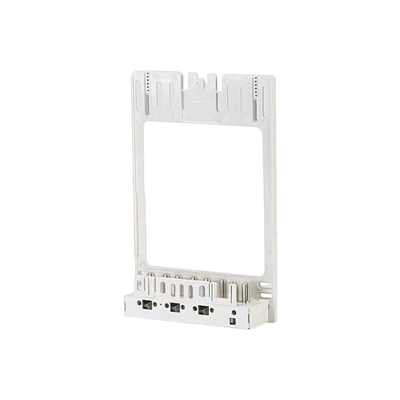
At our company, we offer a wide range of neutral busbars to meet your needs. Whether you're looking for copper or aluminum busbars, we've got you covered. Check out some of our popular products:
Which One Should You Choose?
So, which one should you choose: copper or aluminum neutral busbars? Well, it depends on your specific needs and requirements. If you need a high - conductivity, durable, and corrosion - resistant busbar, and cost is not a major concern, then copper is the way to go.
On the other hand, if you're on a budget, weight is a concern, and the electrical system is not in a highly corrosive environment, then aluminum busbars can be a great option.
If you're still not sure which type of busbar is right for your project, don't hesitate to reach out to us. We have a team of experts who can help you make the right decision based on your specific needs.
Let's Talk!
If you're interested in purchasing neutral busbars, we'd love to have a chat with you. Whether you have questions about our products, need a quote, or want to discuss your project in more detail, we're here to help. Contact us today to start the conversation and let's work together to find the perfect neutral busbars for your electrical system.
References
- "Electrical Conductors: Copper vs. Aluminum." Electrical Engineering Handbook.
- "Corrosion Resistance of Metals in Electrical Applications." Journal of Materials Science.
- "Thermal Expansion of Metals in Electrical Systems." International Journal of Thermal Sciences.