



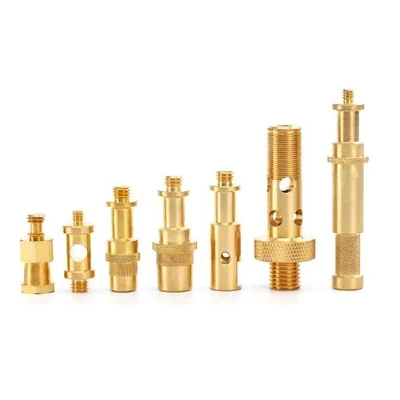


Hey there! As a single phase connectors supplier, I often get asked about the difference between single phase connectors and power cords. It's a great question, and one that's important to understand if you're in the market for electrical components. So, let's dive in and explore the ins and outs of these two essential parts of an electrical system.
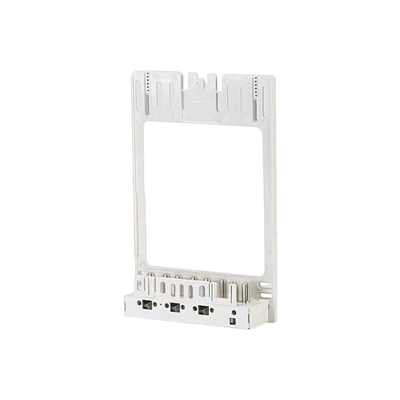
First off, let's talk about what single phase connectors are. Single phase connectors are devices used to connect electrical devices to a single phase power supply. They come in various shapes, sizes, and amperages, depending on the specific application. For instance, we have the Single Phase Clearance Connector 60A, which is designed to handle a current of up to 60 amps. This type of connector is typically used in applications where a reliable and secure connection is needed, such as in industrial settings or for large electrical appliances.
Another type of single phase connector we offer is the Single Phase Interference Connector 60A. This connector is designed to reduce electrical interference, which can be a problem in some environments. It's often used in sensitive electronic equipment, like computers or medical devices, where a clean and stable power supply is crucial.
And then there's the Single Phase Interference Connector Outward 60A. This connector is similar to the interference connector, but it has a different design that allows for better outward flow of electrical current. It's a great option for applications where you need to ensure that the power is being delivered efficiently.


Now, let's turn our attention to power cords. Power cords are the cables that connect an electrical device to a power source. They consist of a plug at one end and a socket or terminals at the other end. Power cords come in different lengths, gauges, and types, depending on the power requirements of the device they're intended for.
One of the main differences between single phase connectors and power cords is their function. Single phase connectors are primarily used to make a connection between an electrical device and the power supply, while power cords are used to transmit electrical power from the source to the device. In other words, the connector is the interface that allows the device to be connected to the power, and the power cord is the medium through which the power travels.
Another difference is in their construction. Single phase connectors are usually made of high-quality materials, such as copper or brass, to ensure good electrical conductivity and durability. They often have a specific design that allows for a secure and tight connection, which helps to prevent electrical arcing and other problems. Power cords, on the other hand, are typically made of insulated wire, which is designed to protect the electrical current from interference and to prevent short circuits.
The amperage rating is also an important factor to consider when comparing single phase connectors and power cords. Single phase connectors are rated for a specific amperage, which indicates the maximum amount of current they can safely handle. Power cords also have an amperage rating, but it's usually related to the gauge of the wire. A thicker wire can carry more current, so a power cord with a higher gauge will have a higher amperage rating.
In terms of installation, single phase connectors are usually installed by a professional electrician, as they require a certain level of technical knowledge and expertise. Power cords, on the other hand, are generally easier to install and can often be done by the end-user. However, it's still important to follow the manufacturer's instructions and safety guidelines when installing a power cord.
When it comes to choosing between single phase connectors and power cords, it really depends on your specific needs. If you're looking for a reliable and secure connection between your electrical device and the power supply, a single phase connector is a great option. On the other hand, if you need to transmit electrical power over a distance, a power cord is the way to go.
As a single phase connectors supplier, I can help you find the right product for your application. Whether you need a high-amperage connector for an industrial machine or a low-interference connector for a sensitive electronic device, I've got you covered. I can also provide you with detailed information about the features and specifications of each product, so you can make an informed decision.
If you're interested in purchasing single phase connectors or have any questions about our products, don't hesitate to reach out. I'm here to help you find the best solution for your electrical needs. Whether you're a small business owner or a large industrial manufacturer, I can work with you to ensure that you get the right products at the right price.
So, if you're in the market for single phase connectors, give me a shout. Let's have a chat about your requirements and see how I can assist you. I look forward to hearing from you and helping you with your electrical component needs.
References:
- Electrical Engineering Handbook, various editions
- Manufacturer's specifications for single phase connectors and power cords