



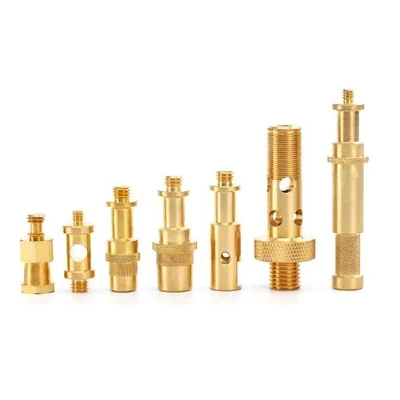


Power quality is a crucial aspect of electrical systems, and distribution terminals play a vital role in ensuring that electricity is delivered smoothly to end - users. As a supplier of distribution terminals, I've seen firsthand how these devices can handle various power quality issues. In this blog post, I'll be sharing some insights on how distribution terminals deal with these problems.
Understanding Power Quality Issues
Before we dive into how distribution terminals handle power quality issues, let's first understand what these issues are. Power quality problems can range from small glitches that cause minor disruptions to major outages that can damage equipment and disrupt business operations.
One common power quality issue is voltage fluctuations. These can occur due to a variety of reasons, such as sudden changes in load, problems with the power grid, or issues with the electrical equipment itself. Voltage sags, or short - term drops in voltage, can cause equipment to malfunction or shut down. On the other hand, voltage swells, or temporary increases in voltage, can damage sensitive electronics.
Another issue is harmonics. Harmonics are multiples of the fundamental frequency of the electrical power system. Non - linear loads, such as computers, variable - speed drives, and some types of lighting, can generate harmonics. These harmonics can cause overheating in electrical equipment, interference with communication systems, and inaccurate metering.
Power factor is also an important power quality parameter. A low power factor means that the electrical system is using more current than necessary to do the same amount of work. This not only wastes energy but can also lead to increased electricity bills and additional stress on the electrical infrastructure.
How Distribution Terminals Address Voltage Fluctuations
Distribution terminals are designed to provide a stable connection between the power source and the end - user equipment. One way they handle voltage fluctuations is through voltage regulation. Some of our advanced distribution terminals, like the Single Pole One Inlet Twelve Outlet, are equipped with voltage - regulating components. These components can sense changes in voltage and adjust accordingly to maintain a stable output voltage.
For example, if there is a voltage sag, the distribution terminal can boost the voltage to the appropriate level. Conversely, in the case of a voltage swell, it can reduce the voltage to prevent damage to the connected equipment. This helps in protecting the sensitive electronics and ensuring that they operate smoothly.
In addition to voltage regulation, distribution terminals also provide isolation. They act as a barrier between the power grid and the end - user equipment. This isolation helps in preventing voltage spikes and other transient disturbances from reaching the equipment. By isolating the equipment from the grid, the distribution terminal can protect it from sudden changes in voltage that could otherwise cause damage.
Dealing with Harmonics
Harmonics can be a real headache for electrical systems, but distribution terminals can help mitigate their effects. One approach is to use filtering techniques. Our Jack Up One Inlet Two Outlet 10 To 25sqmm distribution terminals can be equipped with harmonic filters. These filters are designed to absorb and reduce the harmonic content in the electrical current.
The filters work by providing a low - impedance path for the harmonic currents, diverting them away from the equipment. This not only protects the connected devices from the harmful effects of harmonics but also helps in reducing the overall harmonic distortion in the electrical system.
Another way distribution terminals deal with harmonics is through proper grounding. A good grounding system can help in dissipating the harmonic energy safely. Our distribution terminals are designed with high - quality grounding mechanisms to ensure that any unwanted harmonic currents are directed to the ground, minimizing their impact on the equipment.
Improving Power Factor
Power factor correction is another important function of distribution terminals. Low power factor can lead to inefficiencies in the electrical system, so it's essential to improve it. Some of our distribution terminals, such as the Single Pole One Inlet Ten Outlet, are equipped with power factor correction capacitors.
These capacitors work by supplying reactive power to the system, which helps in offsetting the reactive power drawn by inductive loads. By improving the power factor, the distribution terminal reduces the overall current flowing through the system. This results in lower energy losses, reduced stress on the electrical infrastructure, and lower electricity bills for the end - user.
Other Considerations
Apart from the techniques mentioned above, distribution terminals also need to be properly installed and maintained to handle power quality issues effectively. During installation, it's important to ensure that the terminal is connected correctly to the power source and the end - user equipment. Incorrect connections can lead to additional power quality problems or even pose a safety hazard.
Regular maintenance is also crucial. Components such as voltage regulators, harmonic filters, and power factor correction capacitors need to be inspected and tested periodically to ensure that they are functioning correctly. If any component is found to be faulty, it should be replaced immediately to prevent power quality issues from occurring.
Case Studies
Let's take a look at a couple of real - world examples where our distribution terminals have helped in handling power quality issues. A manufacturing plant was experiencing frequent equipment failures due to voltage fluctuations. After installing our Single Pole One Inlet Five Outlet distribution terminals, the voltage was stabilized, and the number of equipment failures decreased significantly. This not only saved the plant money on equipment repairs but also increased the overall productivity.


In another case, a commercial building was facing high electricity bills due to a low power factor. By installing our distribution terminals with power factor correction capabilities, the power factor was improved, and the electricity bills were reduced by a considerable amount. The building management was able to save on energy costs without sacrificing the quality of power supply to the building.
Why Choose Our Distribution Terminals
Our distribution terminals are designed with the latest technology to effectively handle power quality issues. We offer a wide range of products, from the basic single - outlet terminals to the more complex multi - inlet, multi - outlet models like the Two Inlet Four Outlet 35 To 70sqmm. Each product is rigorously tested to ensure its performance and reliability.
We also provide excellent customer support. Our team of experts is always available to answer any questions you may have about power quality issues or the installation and maintenance of our distribution terminals. Whether you're a small business owner or a large industrial facility, we have the right solution for your power distribution needs.
Conclusion
Power quality issues can have a significant impact on electrical systems and equipment. However, with the right distribution terminals, these issues can be effectively managed. As a supplier, we are committed to providing high - quality distribution terminals that can handle voltage fluctuations, harmonics, and power factor problems.
If you're facing power quality issues or looking to upgrade your power distribution system, we'd love to have a chat. Reach out to us to discuss your requirements and find the perfect distribution terminal solution for your situation. We're here to help you ensure a stable and efficient power supply.
References
- Brown, R. E. (2002). Electric Power Distribution Reliability. Marcel Dekker.
- Fletcher, J. E. (1995). Power Quality Problems and Mitigation Techniques. IEEE Press.