




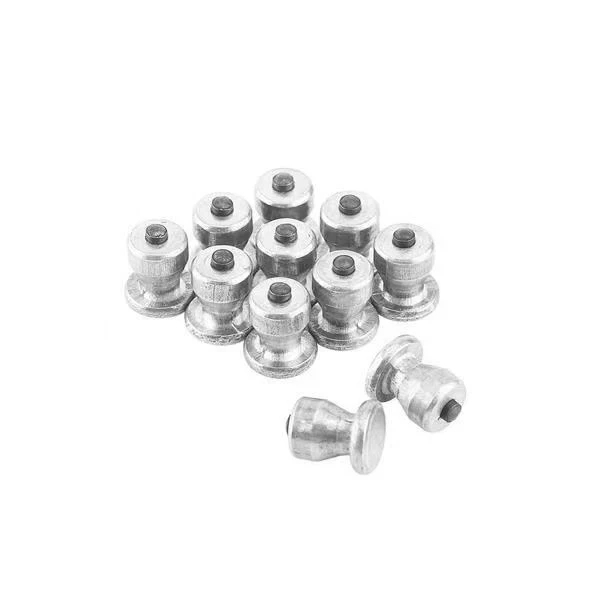
Products Description
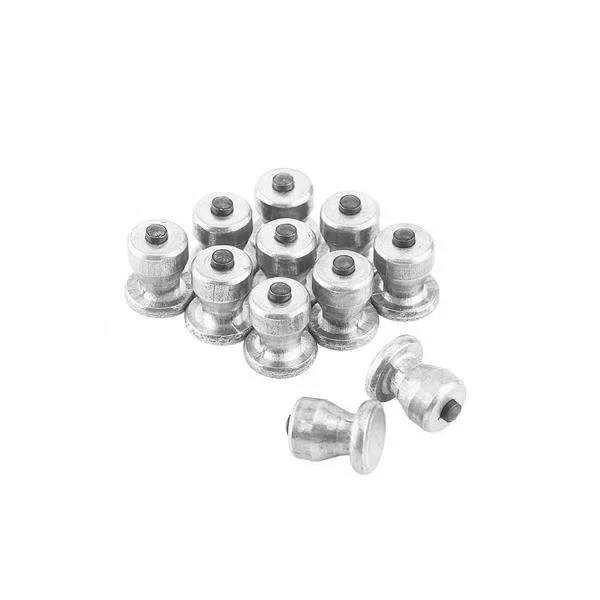
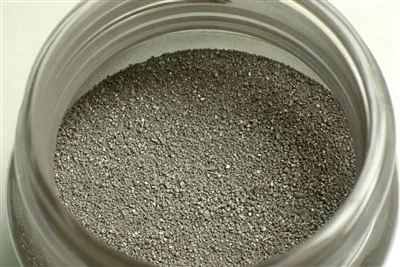
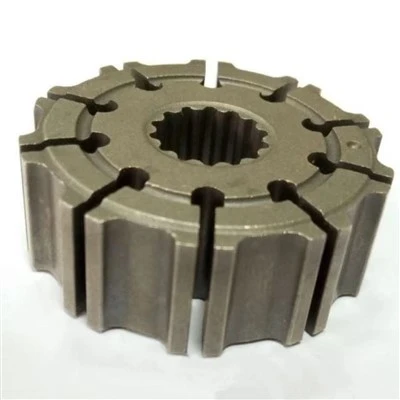
Powder metallurgy parts are manufactured by compacting metal powder in a closed die under pressure, then sintering the compact in a controlled atmosphere at high temperature until the particles coalesce into a solid. The resulting material properties are comparable to cast or wrought alloys of similar composition, while porosity can be precisely adjusted through the degree of compaction.
As electrification pushes e-drive systems toward higher power, torque density, and efficiency in tighter spaces, sintered components - including soft magnetic composite (SMC) designs such as transverse flux motor (TFM) structures - let engineers cut weight and size without compromising output, for electric and hybrid vehicles as well as body and chassis hardware.
Technical Specifications
Process and material data for engineering and procurement reference
| Product Name | Powder Metallurgy Parts for Automobile |
|---|---|
| Forming Method | Metal powder compacted in a closed die under pressure |
| Sintering | High-temperature sintering in a controlled atmosphere |
| Secondary Operation | Optional repressing prior to sintering to improve compaction and material properties |
| Mechanical Properties | Comparable to cast or wrought materials of similar composition |
| Porosity | Adjustable via the amount of compaction |
| As-Sintered Behavior | Single-pressed parts: high tensile strength, low elongation; both improved by repressing |
| Advanced Materials | Soft magnetic composite (SMC) for 3D motor designs |
| Applications | EV / hybrid e-drive, body and chassis components |
| Customization | OEM/ODM supported per customer drawings |
| Quote Turnaround | Within 24 hours |
Core Advantages
Why automotive engineers specify sintered powder metal components
Cast-Wrought Strength
Sintered solids match the properties of cast or wrought materials of similar composition, with strength and elongation further improved by repressing.
Complex Geometries
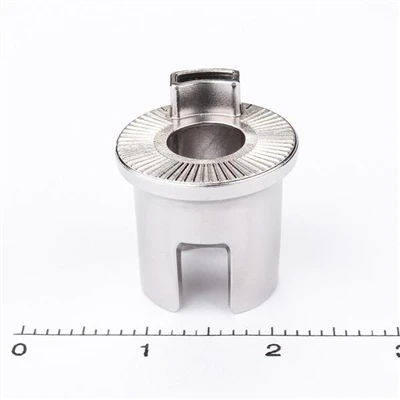
Die compaction forms intricate near-net shapes directly, supporting complex components and extreme geometries without secondary machining.
High Power Density
SMC-based 3D designs such as transverse flux motors achieve the highest torque density in a compact, cost-effective system.
Controlled Porosity
Porosity is tuned by the degree of compaction, tailoring density and performance to each application requirement.
Sintered Powder Metallurgy vs Conventional Casting
A practical comparison for e-drive and chassis sourcing decisions
| Comparison Dimension | Sintered Powder Metallurgy | Conventional Casting / Wrought |
|---|---|---|
| Material Properties | Comparable at same composition; repressing improves strength and elongation | Baseline |
| Geometry Complexity | Complex near-net shapes and extreme geometries without machining | Limited by draft and tooling |
| Weight & Size | Compact and lightweight for tight e-drive packages | Heavier, larger footprint |
| Porosity Control | Adjustable by compaction | Not controllable |
| 3D Motor Design Compatibility | SMC enables compact, efficient transverse flux motors | Not feasible with laminations |
Professional Production Process
A controlled press-and-sinter route for repeatable automotive quality
01
Metal Powder Preparation
02
Closed-Die Compaction
03
Optional Repressing
04
Sintering in Controlled Atmosphere
05
Property & Dimension Inspection
06
Packing & Shipment
Every batch is compacted, sintered, and inspected against drawing specifications, so density, porosity, and mechanical properties stay consistent across production volumes.
Application Scenarios
Where sintered components deliver the most value
EV & Hybrid E-Drive Systems
SMC-based transverse flux motor structures deliver maximum torque density in compact, cost-effective packages for high-power e-drive applications.
Body & Chassis Components
Net-shape sintered hardware for body and chassis assemblies where consistent strength and dimensional accuracy keep assembly lines moving.
Space- & Weight-Critical Modules
For bus, passenger car, and mobility programs where driving range and motor performance demand minimal weight and tight packaging.
Frequently Asked Questions
Q: How are powder metallurgy parts manufactured?
A: Metal powder is compacted in a closed die under pressure. The compact is then sintered in a controlled atmosphere at high temperature, where the particles coalesce into a solid with properties similar to cast or wrought materials of similar composition.
Q: What is repressing and when is it used?
A: Repressing is a second pressing operation performed prior to sintering. Single-pressed parts typically show high tensile strength but low elongation; repressing improves both the compaction and the material properties.
Q: Why are powder metallurgy parts suited to electric vehicles?
A: E-drive design demands high power, torque density, and efficiency while reducing weight and size. Powder metallurgy - especially with soft magnetic composite materials - enables compact 3D motor designs such as transverse flux motors that meet these targets cost-effectively.
Q: Can you produce custom geometries from our drawings?
A: Yes. OEM/ODM production is supported based on customer drawings and technical parameters, covering e-drive, body, and chassis applications for electric, hybrid, and conventional vehicles.
Hot Tags: powder metallurgy parts for automobile, China powder metallurgy parts for automobile manufacturers, suppliers, factory