

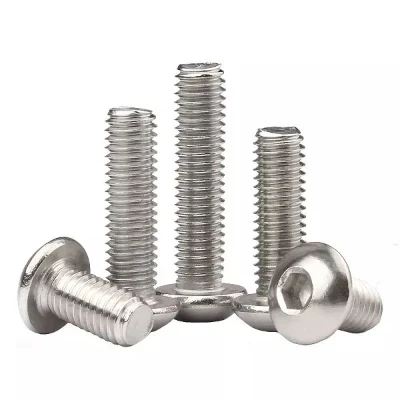


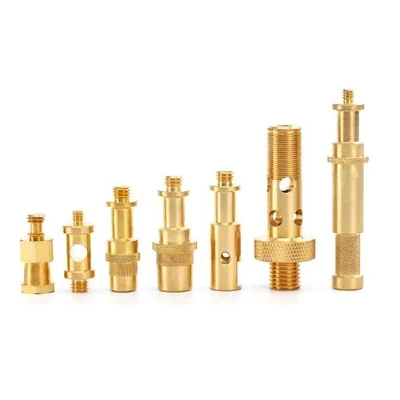

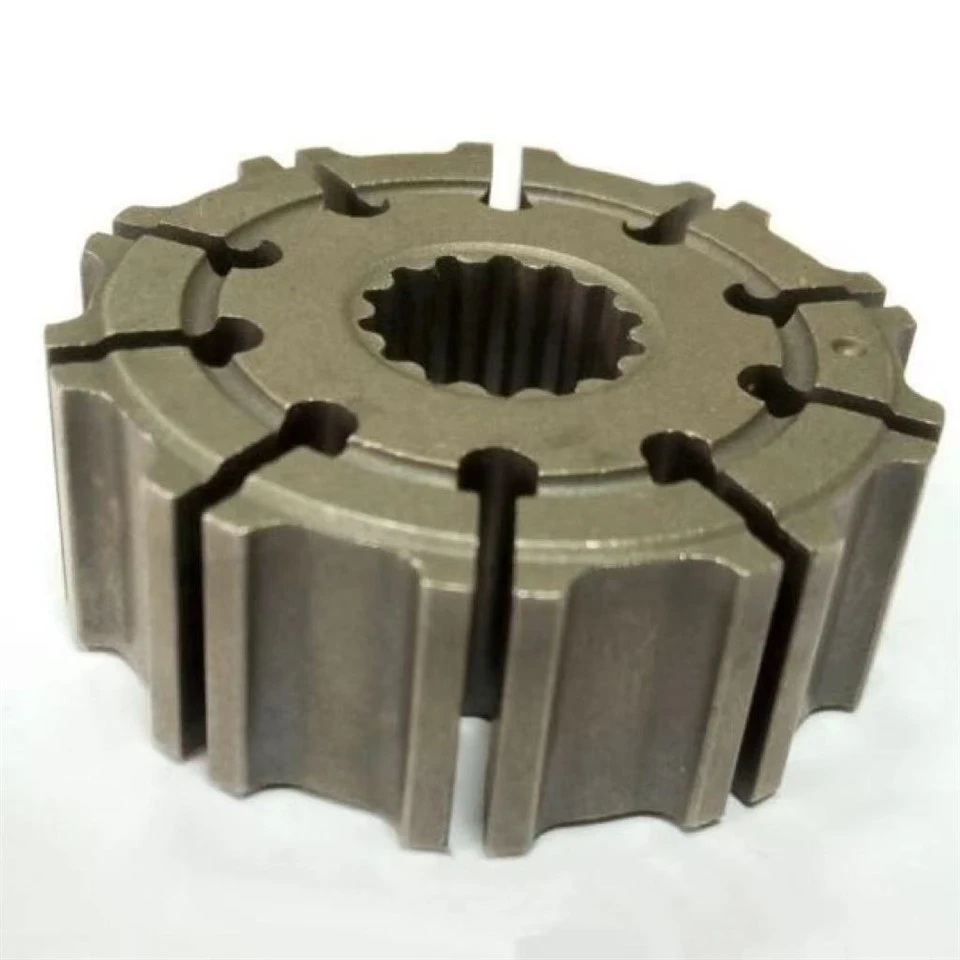
Product Overview
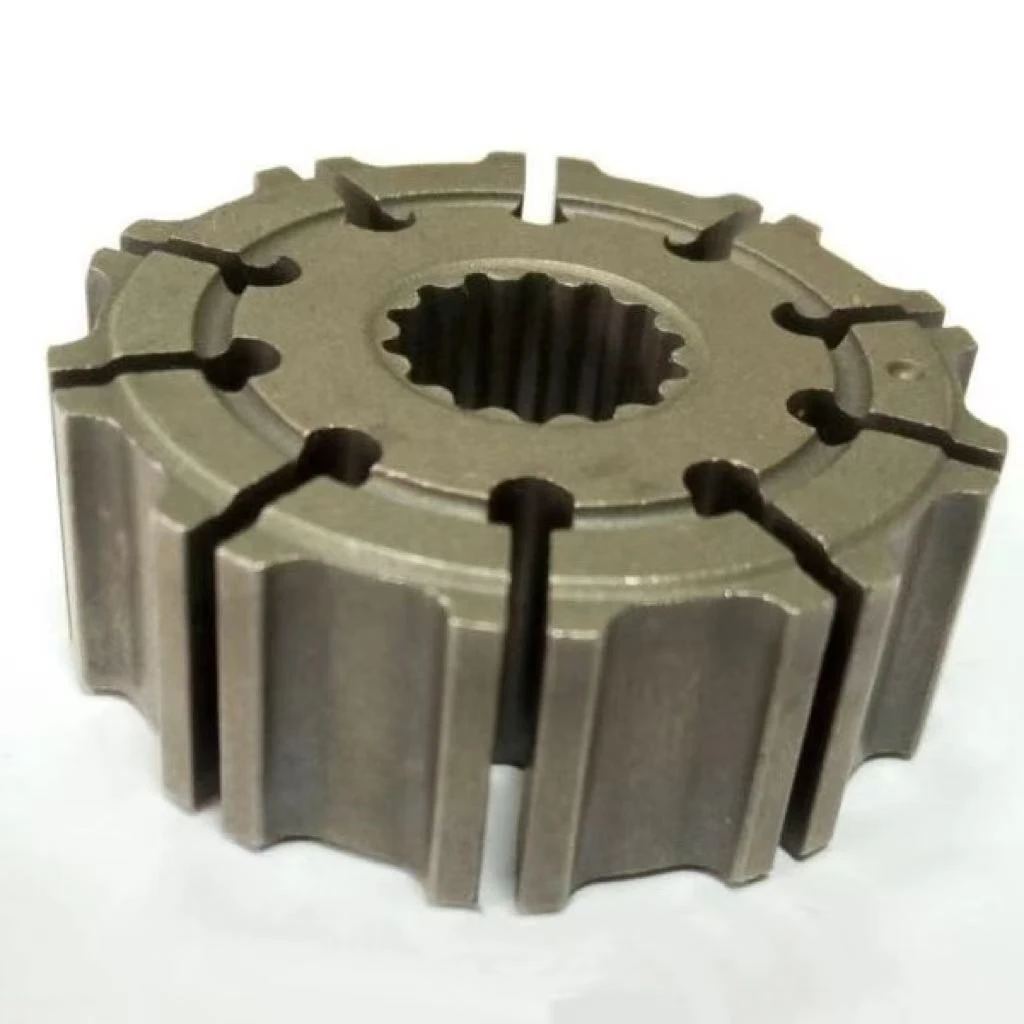
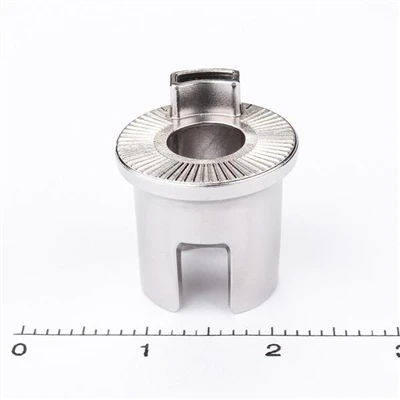
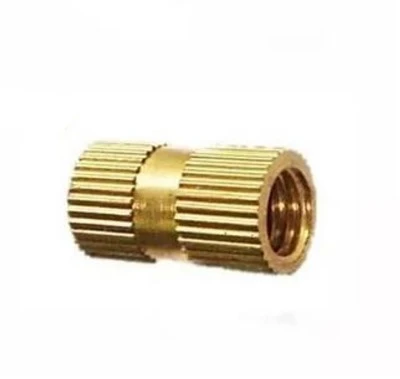
These automobile parts for powder metallurgy are formed by pressing metal powder in precision dies and sintering the compacted blank into a finished component. Because each forming step corresponds to a dedicated die punch, complex geometries that would otherwise require extensive machining can be produced directly to shape - with minimal material waste and stable batch-to-batch consistency.
The process suits high-volume automotive programs where dimensional repeatability, controlled cost, and flexible material selection matter. Standard sizes cover M4–M16, produced to DIN, GB, ISO, JIS, BA, and ANSI standards, with full customization available from customer drawings.
Technical Specifications
Key parameters for engineering and procurement review
| Product Name | Automobile Parts for Powder Metallurgy |
|---|---|
| Base Material | Aluminum, Iron, Brass, or other customized materials |
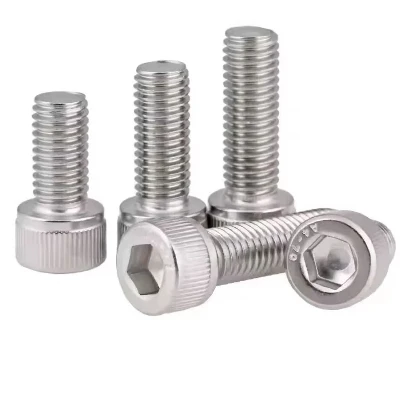
| Stainless / Grade Options | SUS201, SUS304, SUS316; A2-70, A2-80, A4-80; 4.8, 6.8, 8.8, 10.9, 12.9 |
| Size Range | M4–M16 |
| Standards | DIN, GB, ISO, JIS, BA, ANSI |
| Forming Method | Powder compaction with dedicated die punches, followed by sintering |
| Customization | OEM/ODM per customer drawings and technical parameters |
| Shipping | DHL, FEDEX, UPS, EMS, TNT, etc. |
Core Advantages
Why powder metallurgy fits automotive component programs
Near-Net Shape
Parts come out of the die close to final dimensions, cutting machining time and scrap rates.
Batch Consistency
Die-based forming keeps every press cycle identical, ideal for high-volume automotive supply.
Material Flexibility
Iron, aluminum, brass, and stainless grades can be matched to strength and cost targets.
Custom Tooling
Dedicated die punches built to your drawings turn complex profiles into repeatable production.
Powder Metallurgy vs Conventional Machining
A practical comparison for sourcing decisions
| Factor | Powder Metallurgy Parts | Conventionally Machined Parts |
|---|---|---|
| Material Utilization | High - formed to shape, little waste | Material removed and scrapped |
| Complex Geometry | Formed directly by die punches | Requires multiple machining steps |
| High-Volume Cost | Lower unit cost at scale | Cost rises with volume |
| Batch Consistency | Die-controlled repeatability | Operator and tooling dependent |
Professional Production Process
Controlled from powder to finished component
01
Powder Blending
02
Die Compaction
03
Sintering
04
Sizing / Coining
05
Finishing
06
Quality Inspection
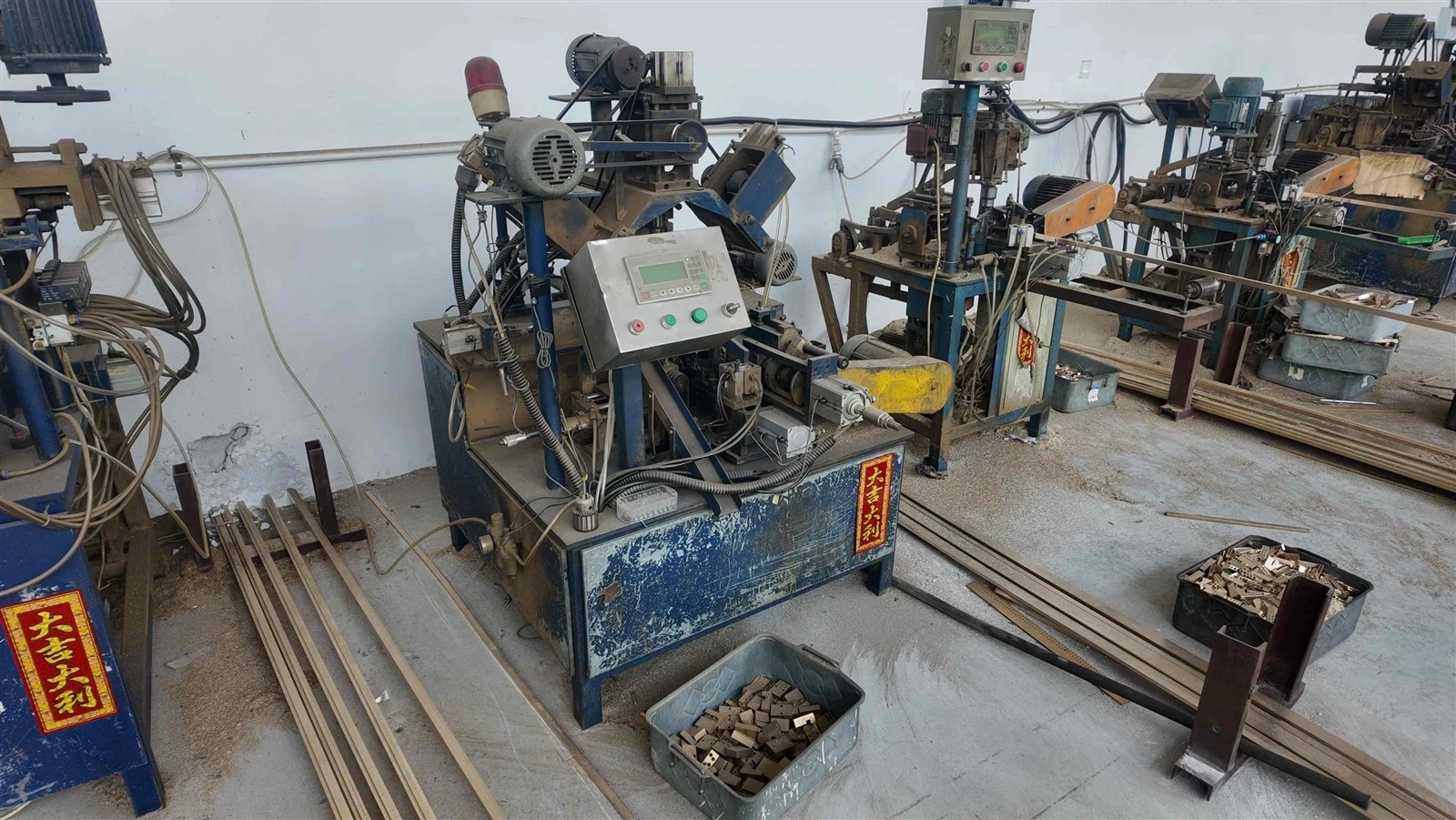
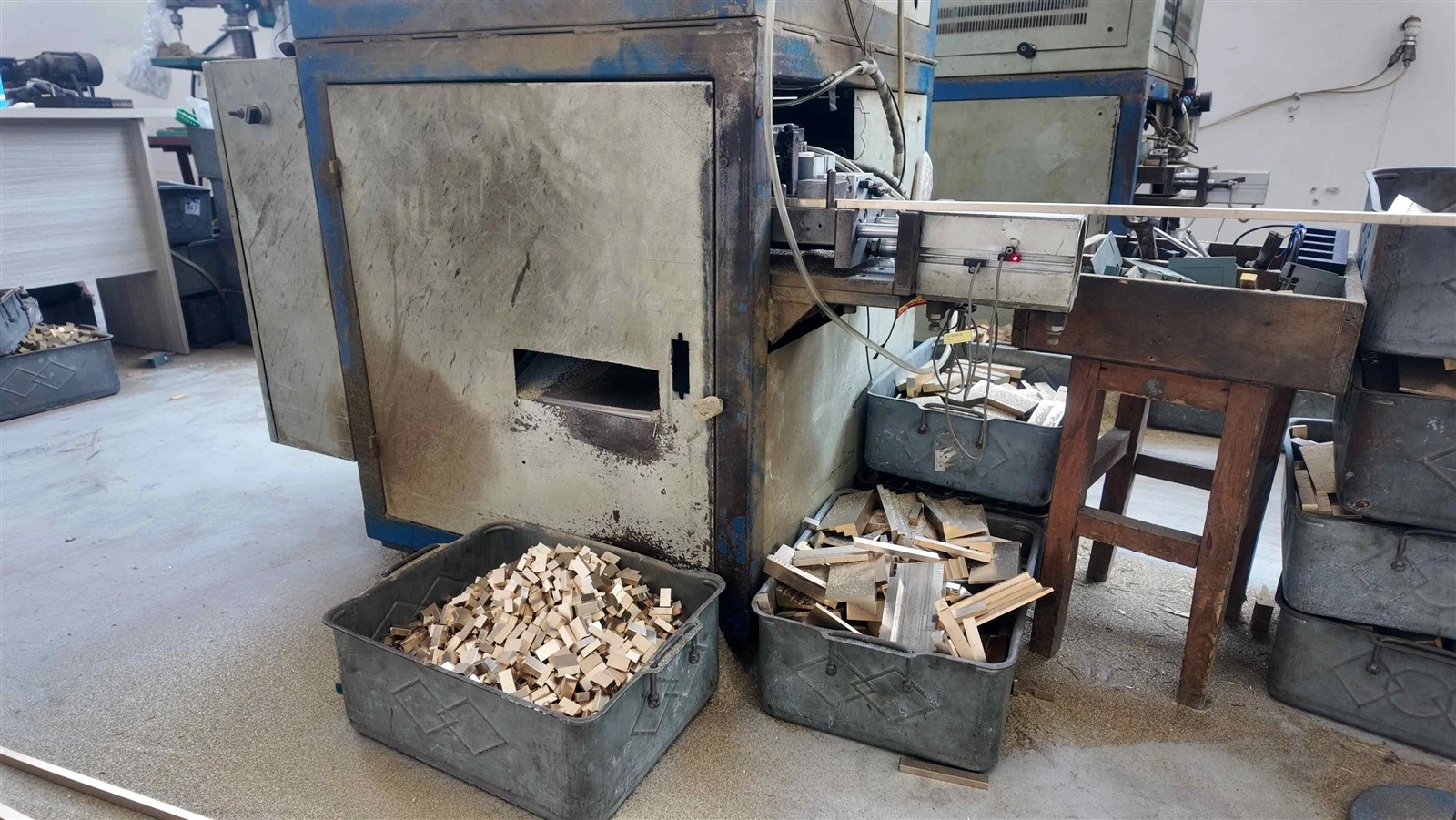
Each forming step corresponds to an independent die punch, so pressure and geometry stay controlled throughout production - the foundation of consistent dimensions and reliable mechanical performance.
Material Options
Match the material to your strength, weight, and cost targets
Iron & Steel Grades
Strength classes 4.8, 6.8, 8.8, 10.9, 12.9
Cost-efficient for structural parts
Good sintering performance
Stainless Steel
SUS201, SUS304, SUS316
Corrosion resistance for exposed positions
A2-70 / A2-80 / A4-80 grades
Aluminum & Brass
Lightweight aluminum options
Brass for conductive applications
Other materials on request
Application Scenarios
Sintered components across vehicle systems
Engine & Transmission
Sprockets, bushings, and structural fittings where net-shape forming keeps high-volume costs predictable.
Chassis & Body Assemblies
Brackets and fastener-type components in M4–M16, produced to DIN, ISO, and related standards.
Electrical & Interior Modules
Brass and stainless components for in-vehicle electrical connections and trim mechanisms.
Frequently Asked Questions
Q: What kinds of automobile parts can be made by powder metallurgy?
A: Any component whose geometry can be expressed through a die punch sequence can be powder-formed. Because each forming step corresponds to a die punch that moves and applies pressure independently, profiles ranging from simple bushings to multi-level structural parts can be produced - send us your drawing for a feasibility review.
Q: Which materials and standards do you support?
A: Base materials include aluminum, iron, and brass, plus customized requests. Stainless options cover SUS201, SUS304, SUS316, and A2-70/A2-80/A4-80 grades; strength classes 4.8 through 12.9 are available. Production follows DIN, GB, ISO, JIS, BA, and ANSI standards, with sizes from M4 to M16.
Q: Do you produce from customer drawings?
A: Yes. OEM and ODM production is fully supported: submit your drawings or samples and technical parameters, and we will confirm the die design, material selection, and unit price before production begins.
Q: How are the parts shipped?
A: We ship worldwide via DHL, FEDEX, UPS, EMS, TNT, and other forwarders, with packing arranged to protect sintered surfaces during transit.
Hot Tags: automobile parts for powder metallurgy, China automobile parts for powder metallurgy manufacturers, suppliers, factory