







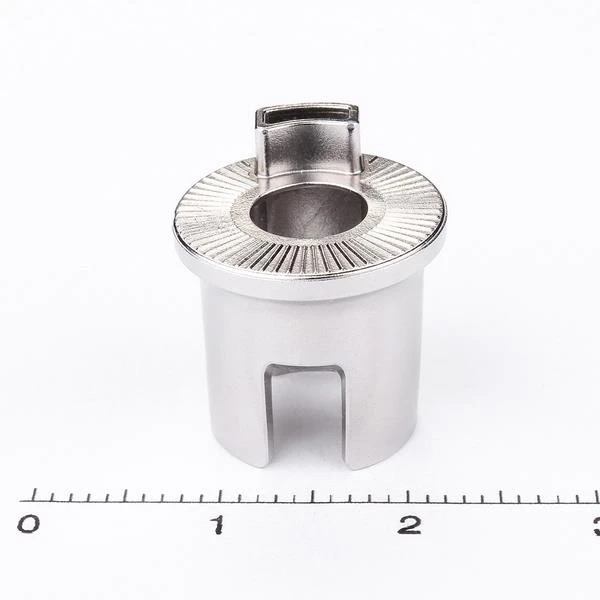
Products Description
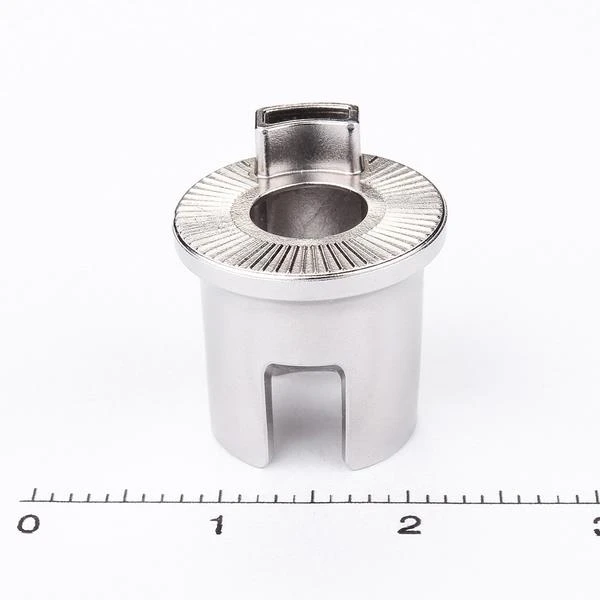
Automobile powder metallurgy parts are formed by compacting and sintering metal powders into finished shapes, replacing cut-and-machine production for high-volume automotive components. Because the part is formed to size in the die, material utilization is high and secondary machining is reduced to a minimum - a decisive cost advantage once volumes scale.
The process suits two families of components particularly well: self-lubricating oil-bearing parts, where interconnected pores store lubricating oil for maintenance-free operation, and complex structural parts produced in large quantities where machining would be slow and wasteful. Custom geometries are produced directly from customer drawings.
Technical Specifications
Key parameters for sourcing and engineering reference
| Product Name | Automobile Powder Metallurgy Parts |
|---|---|
| Forming Process | Powder compaction and sintering (net-shape forming) |
| Typical Part Types | Self-lubricating oil-bearing parts; complex structural parts |
| Machining Requirement | No machining or minimal machining after sintering |
| Production Mode | High-volume production of the same part type |
| Customization | OEM/ODM per customer drawings and technical requirements |
| Quotation Basis | Submit drawing for tailored quotation |
| Shipping Options | DHL / FedEx / UPS / EMS / TNT |
Core Advantages
Why automotive buyers specify powder metallurgy parts
Net-Shape Forming
Parts are formed to size directly in the die, eliminating most cutting operations.
Lower Unit Cost at Volume
Ideal for the same part in large quantities, where tooling cost is amortized fastest.
Self-Lubricating Capability
Controlled porosity enables oil-impregnated bearings that run without external lubrication.
Complex Geometries
Shapes difficult or costly to machine can be formed in a single press-and-sinter cycle.
Powder Metallurgy vs Conventional Machining
A practical comparison for automotive sourcing decisions
| Comparison Dimension | Powder Metallurgy Parts | Conventional Machined Parts |
|---|---|---|
| Material Utilization | High - formed to net shape | Lower - material cut away as chips |
| Secondary Machining | None or minimal | Extensive cutting operations |
| Complex Shapes | Formed directly in the die | Cost rises sharply with complexity |
| Self-Lubrication | Available via oil-impregnated pores | Not achievable |
| Volume Economics | Best for large quantities of the same part | Unit cost stays flat with volume |
| Customization | OEM/ODM per drawings | Per drawings, with more operations |
Professional Production Process
From blended powder to inspected finished part
01
Powder Blending
02
Die Compaction
03
Die Compaction
04
Sizing / Coining
05
Oil Impregnation
06
Inspection & Packing
Each batch follows controlled blending, pressing, and sintering parameters so that dimensional consistency and material density remain stable from the first article to volume delivery.
Material & Surface Treatment Options
Powder families selected to match duty, wear, and cost targets
Iron-Based
Iron & Iron-Copper Powders
Standard choice for structural parts
Good strength and wear resistance
Suited to oil-bearing, self-lubricating parts
Cost-efficient at high volumes
Steam treatment and plating available
Copper-Based & Stainless
Copper & Stainless Steel Powders
Excellent corrosion resistance
Preferred for demanding environments
Stable long-term friction performance
Consistent sintering behavior
Surface treatment per drawing
Material grade and any surface treatment are confirmed against your drawing, application load, and target unit cost before tooling is made.
Application Scenarios
Automotive assemblies where sintered parts outperform machining
Oil Bearings & Bushings
Self-lubricating oil-bearing components for motors, wiper mechanisms, starters, and small automotive assemblies where maintenance-free rotation is required.
Complex Structural Parts
Gears, cams, levers, and brackets produced in large volumes with complex shapes that would otherwise require heavy and costly machining.
Custom Automotive Components
Non-standard parts developed from customer drawings for automotive and general machinery applications, quoted on receipt of the drawing.
Frequently Asked Questions
Q: Which parts are best suited to powder metallurgy?
A: The process is preferred for two cases: self-lubricating parts such as oil-bearing bearing components, and structural parts produced in large quantities of the same variety with complex shapes that require no or minimal machining. If your part fits either case, powder metallurgy will usually deliver a lower total cost.
Q: How do I get a quotation for my part?
A: Send your drawing with technical requirements and estimated annual or batch quantity. A tailored quotation is prepared on the basis of the drawing, covering tooling, unit price, and lead time - no standard-price guesswork.
Q: What shipping options are available?
A: Orders ship via DHL, FedEx, UPS, EMS, TNT, and other international express or freight channels, selected according to order volume, weight, and destination so that delivery cost stays proportionate to the shipment.
Q: Do you support OEM and ODM projects?
A: Yes. Custom automobile powder metallurgy parts are produced strictly according to customer drawings and technical parameters, from material selection through final inspection, for both new designs and replacements of existing parts.
Hot Tags: automobile powder metallurgy parts, China automobile powder metallurgy parts manufacturers, suppliers, factory


