




Product Overview
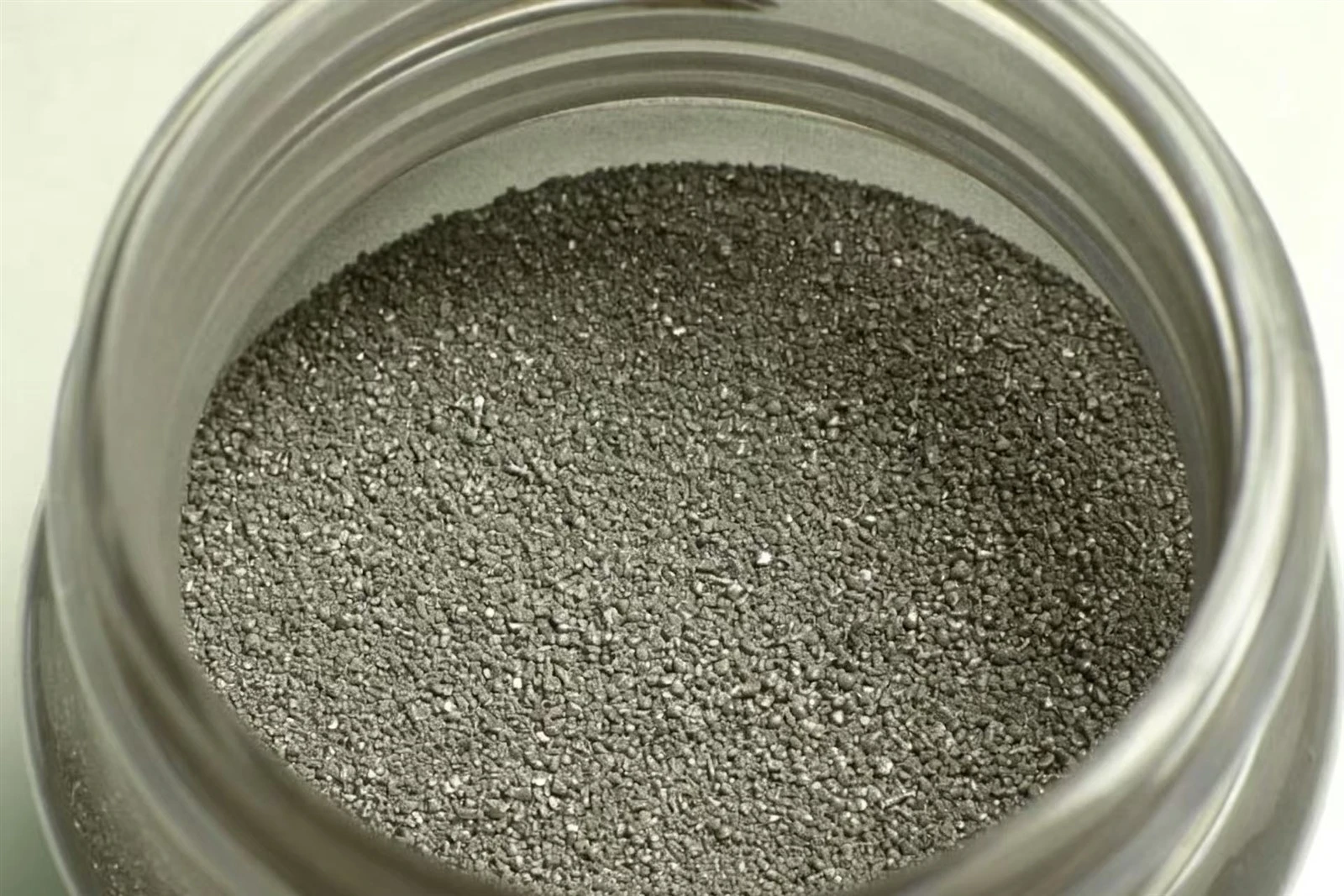
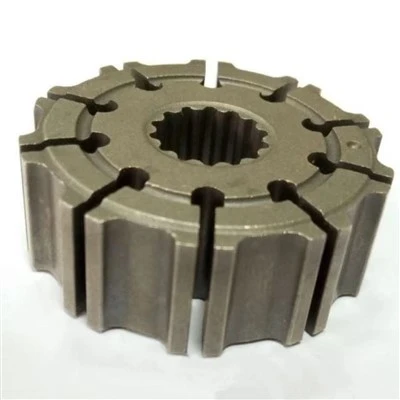
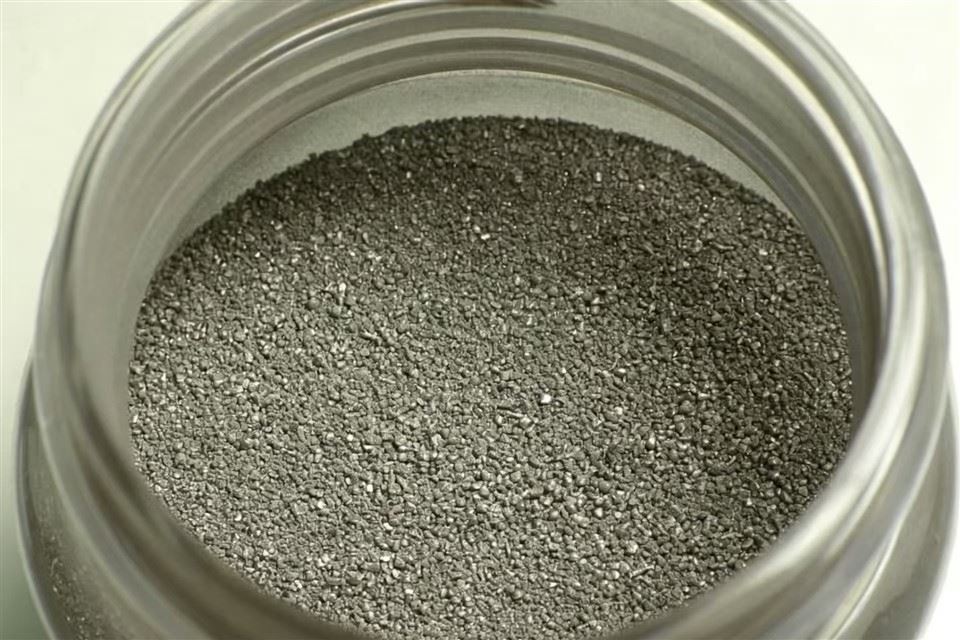
Powder metallurgy automobile parts are formed by pressing blended metal powder in a die and sintering it into a near-net-shape component - a direct route from customer drawing to finished automotive part with minimal material waste.
Depending on the structure of the powder forming press, the die base, and the mold, powder metallurgy compacts are classified into six basic types (Type I – Type VI). This forming range covers everything automotive projects need, from simple cylinders and plates to flanged, multi-level stepped, and helical-toothed shapes such as bearings and connecting rods. Send us your design and the parts are made exactly to it.
Technical Specifications
Forming capability and order details for procurement and engineering reference
| Item | Details |
|---|---|
| Product Name | Automobile Parts Powder Metallurgy (custom-made) |
| Forming Capability | Type I – Type VI compacts |
| Simple Shapes (Type I) | Columns, cylinders, plates |
| Flanged Shapes (Type II) | Outer or inner flange at one end face |
| Multi-Level Shapes (Type III – V) | Two to three levels on end faces, including outer step faces and grooves |
| Complex Shapes (Type VI) | Spherical or inclined surfaces, helical side teeth, multiple parallel holes - e.g. bearings and connecting rods |
| Customization | Manufactured per customer design, drawings, and technical parameters |
| Urgent Orders | Accepted - contact early for production scheduling |
| Repeat Orders | Preferential pricing for returning customers |
Core Advantages
Why buyers source powder metallurgy automobile parts here
Made to Your Design
Every part is produced from your drawings and technical parameters - truly customized, not catalog-only.
Six Forming Types
Type I – VI compacts cover simple, flanged, multi-level stepped, and complex helical-toothed geometries.
Urgent Orders Accepted
Tight project schedules are supported - reach out early with drawings and quantity for fast scheduling.
Repeat-Customer Pricing
Returning buyers receive preferential offers on subsequent orders, with volume-friendly terms.
Powder Metallurgy vs Conventional Machining
A practical comparison for automotive sourcing decisions
| Comparison Dimension | Powder Metallurgy Forming | Conventional Machining |
|---|---|---|
| Material Utilization | Near-net shaping, minimal waste | Significant scrap from cutting |
| Complex Geometries | Multi-level and helical-tooth shapes formed in one die | Multiple setups required |
| Unit Cost at Volume | Mold-based forming lowers per-part cost | Stays high as volume grows |
| Repeatability | Mold-controlled consistency | Operator- and setup-dependent |
| Shape Range | Type I – VI compacts, incl. bearings and connecting rods | Limited by tool access |
Professional Production Process
A controlled powder-to-part route for consistent quality
01
Powder Blending
02
Die Compaction
03
Sintering
04
Sizing & Finishing
05
Secondary Machining (if required)
06
Final Inspection & Packing
The compaction die is designed around your drawing, so the compact type, density distribution, and final geometry are locked in from the first article onward.
Application Scenarios
Where powder metallurgy automobile parts are used
Engine & Transmission Components
Simple and flanged compact types (Type I – II) suit cylinders, plates, and end-flanged bushings used across engine and transmission assemblies.
Stepped & Grooved Parts
Multi-level compacts (Type III – V) cover parts with outer step faces and grooves, formed complete in a single pressing operation.
Bearings & Connecting Rods
Complex compacts (Type VI) handle spherical or inclined surfaces, helical side teeth, and multiple parallel holes for demanding automotive parts.
Frequently Asked Questions
Q: Can you produce powder metallurgy parts from my own design?
A: Yes. Every part is manufactured based on your design. Send your drawings and technical parameters, and the forming press setup, die, and compact type are arranged around your geometry and application.
Q: What shapes can powder metallurgy produce for automobile parts?
A: Depending on the forming press structure, die base, and mold design, compacts fall into six basic types - from simple columns, cylinders, and plates (Type I) to complex shapes with spherical or inclined surfaces, helical side teeth, and multiple parallel holes such as bearings and connecting rods (Type VI).
Q: Do you accept urgent orders?
A: Yes. Urgent orders are accepted. Contact the team as early as possible with your drawings and required quantity so production can be scheduled accordingly.
Hot Tags: automobile parts powder metallurgy, China automobile parts powder metallurgy manufacturers, suppliers, factory