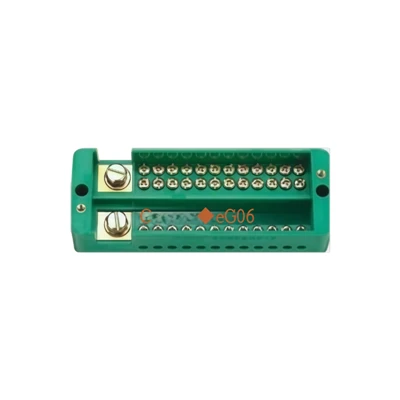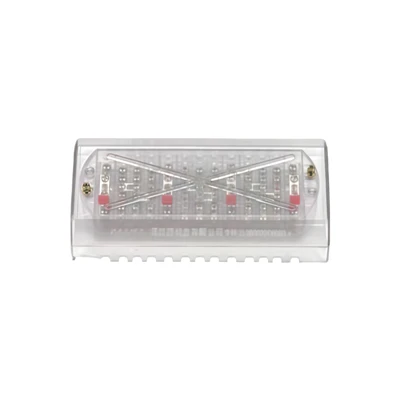








As a provider of the Twenty Four Circuit Repeatable Grounding Box, I often encounter inquiries about its grounding transient response. Understanding this concept is crucial for anyone involved in electrical systems, especially those looking to ensure the safety and efficiency of their installations. In this blog post, I will delve into the details of the grounding transient response of the Twenty Four Circuit Repeatable Grounding Box, exploring its significance, factors that affect it, and how it compares to other grounding solutions.
Understanding Grounding Transient Response
Grounding transient response refers to the behavior of a grounding system when it is subjected to a sudden change in electrical current, such as a lightning strike or a short circuit. During these events, a large amount of electrical energy is released, and the grounding system must be able to dissipate this energy safely and effectively. The transient response of a grounding system is characterized by its ability to quickly reduce the voltage rise and limit the duration of the transient event.
The grounding transient response of the Twenty Four Circuit Repeatable Grounding Box is designed to provide a low-impedance path for electrical current to flow into the ground. This is achieved through the use of high-quality materials and advanced manufacturing techniques that ensure the box's electrical conductivity and reliability. The box is also equipped with multiple grounding circuits, which allow for a more distributed and efficient grounding system.
Significance of Grounding Transient Response
The grounding transient response of the Twenty Four Circuit Repeatable Grounding Box is of utmost importance for several reasons. Firstly, it helps to protect electrical equipment from damage caused by transient events. When a sudden surge of electrical current occurs, the grounding system must be able to divert this energy away from sensitive equipment, preventing it from overheating or being damaged. By providing a low-impedance path for current flow, the Twenty Four Circuit Repeatable Grounding Box helps to minimize the risk of equipment failure and downtime.
Secondly, the grounding transient response is crucial for ensuring the safety of personnel. During a transient event, the voltage levels in an electrical system can rise significantly, posing a serious risk of electric shock to anyone in the vicinity. A well-designed grounding system, such as the Twenty Four Circuit Repeatable Grounding Box, helps to reduce these voltage levels to a safe level, protecting personnel from harm.
Finally, the grounding transient response can also have a significant impact on the performance of an electrical system. Transient events can cause interference and disruptions in the normal operation of electrical equipment, leading to reduced efficiency and reliability. By providing a stable and reliable grounding system, the Twenty Four Circuit Repeatable Grounding Box helps to minimize these effects, ensuring the smooth and efficient operation of the electrical system.
Factors Affecting Grounding Transient Response
Several factors can affect the grounding transient response of the Twenty Four Circuit Repeatable Grounding Box. These include the soil resistivity, the length and diameter of the grounding conductors, the number of grounding circuits, and the type of grounding electrodes used.
Soil resistivity is one of the most important factors affecting the grounding transient response. The resistivity of the soil determines how easily electrical current can flow through it. In areas with high soil resistivity, such as rocky or sandy soils, it may be necessary to use additional grounding electrodes or to increase the length and diameter of the grounding conductors to achieve a low-impedance grounding system.
The length and diameter of the grounding conductors also play a crucial role in the grounding transient response. Longer and thicker conductors have lower resistance, which allows for a more efficient flow of electrical current. However, increasing the length and diameter of the conductors also increases the cost and complexity of the grounding system.


The number of grounding circuits in the Twenty Four Circuit Repeatable Grounding Box can also affect its grounding transient response. More grounding circuits provide a more distributed and efficient grounding system, which helps to reduce the voltage rise and limit the duration of the transient event. However, adding more grounding circuits also increases the cost and complexity of the box.
Finally, the type of grounding electrodes used can also affect the grounding transient response. Different types of grounding electrodes, such as ground rods, ground plates, and grounding grids, have different electrical characteristics and performance. The choice of grounding electrodes depends on the specific requirements of the electrical system and the soil conditions.
Comparison with Other Grounding Solutions
The Twenty Four Circuit Repeatable Grounding Box offers several advantages over other grounding solutions. Firstly, its multiple grounding circuits provide a more distributed and efficient grounding system, which helps to reduce the voltage rise and limit the duration of the transient event. This is particularly important in areas with high soil resistivity or in applications where a low-impedance grounding system is required.
Secondly, the Twenty Four Circuit Repeatable Grounding Box is designed to be repeatable and easy to install. Its modular design allows for quick and easy installation, and its repeatability ensures that the grounding system can be easily replicated in multiple locations. This makes it an ideal solution for large-scale electrical installations or for applications where consistency and reliability are important.
Finally, the Twenty Four Circuit Repeatable Grounding Box is a cost-effective solution for grounding electrical systems. Its high-quality materials and advanced manufacturing techniques ensure its durability and reliability, while its modular design and easy installation reduce the cost and complexity of the grounding system.
Other Grounding Box Options
In addition to the Twenty Four Circuit Repeatable Grounding Box, we also offer a range of other grounding box options, including the Eight Circuit Repeatable Grounding Box, Twelve Circuit Repeatable Grounding Box, Twenty Circuit Repeatable Grounding Box, and Four Inlet Six Outlet Neutral Box. These boxes are designed to meet the specific requirements of different electrical systems and applications, and they offer similar benefits in terms of grounding transient response, reliability, and cost-effectiveness.
Contact for Purchase and Consultation
If you are interested in learning more about the Twenty Four Circuit Repeatable Grounding Box or any of our other grounding solutions, please do not hesitate to contact us. Our team of experts is available to provide you with detailed information, answer your questions, and assist you in selecting the right grounding solution for your specific needs. We are committed to providing high-quality products and excellent customer service, and we look forward to working with you to ensure the safety and efficiency of your electrical systems.
References
- IEEE Standard 80-2013, IEEE Guide for Safety in AC Substation Grounding
- NFPA 70-2020, National Electrical Code
- EPRI Report 1020607, Grounding and Bonding for Electric Power Systems