





Hey there! As a supplier of neutral busbars, I often get asked how these nifty little components work in a parallel electrical circuit. So, I thought I'd take a few minutes to break it down for you in a way that's easy to understand.
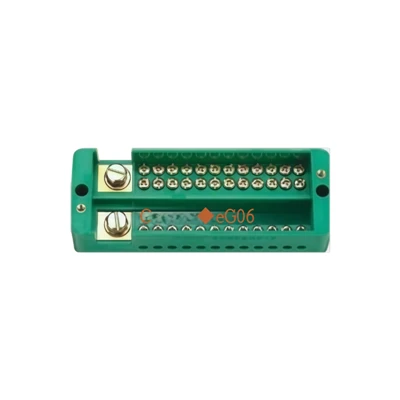
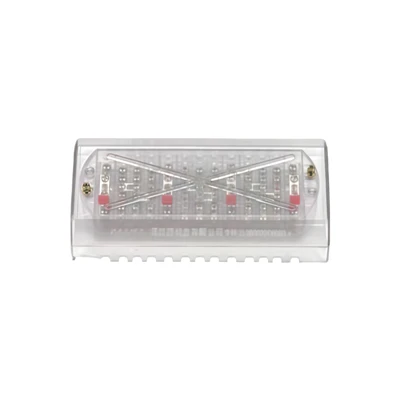
First off, let's talk about what a neutral busbar is. In simple terms, a neutral busbar is a conductor that provides a common connection point for the neutral wires in an electrical system. It's like a hub where all the neutral currents come together and flow back to the source.
In a parallel electrical circuit, multiple electrical devices are connected across the same voltage source. This means that each device gets the same voltage, but the current is divided among them. The neutral busbar plays a crucial role in this setup by providing a path for the unbalanced current to return to the source.
Alright, let's jump into the nitty - gritty of how it all works. When electrical power is distributed in a three - phase system, we have three live wires (phases) and a neutral wire. In an ideal situation, the currents in the three phases are balanced, which means that the sum of the currents in the three phases is zero. In this case, the neutral current is also zero.
However, in real - world scenarios, the loads connected to the three phases are rarely balanced. Some devices might draw more power than others, causing an imbalance in the phase currents. When this happens, there will be a non - zero current flowing through the neutral wire.
The neutral busbar collects these unbalanced currents from all the different circuits connected to it. It acts as a sort of "traffic controller" for the neutral currents. All the neutral wires from various electrical devices in the parallel circuit are connected to the neutral busbar.
Let's say you have a small factory with multiple machines connected in parallel. Each machine has its own set of electrical components and draws a different amount of current. The neutral wire from each machine is connected to the neutral busbar. As the machines operate, any unbalanced current from each of them flows into the neutral busbar.
From the neutral busbar, the combined unbalanced current then makes its way back to the power source. This ensures that the electrical system remains safe and stable. If there was no neutral busbar or if it malfunctioned, the unbalanced current could cause all sorts of problems, like overheating of wires and even electrical failures.
Now, let's talk a bit about the different types of neutral busbars we offer. We have some really cool options that are suitable for a wide range of applications.
For instance, we have the Neutral Terminal 600A 35 To 95sqmm. This baby can handle a significant amount of current, making it ideal for large - scale industrial applications. Whether you're running a big manufacturing plant or a commercial building with high electrical loads, this neutral terminal has got your back.
If your requirements are a bit more on the moderate side, the Neutral Terminal 400A 25 To 70sqmm is a great choice. It can handle a decent amount of current and is suitable for medium - sized industrial setups, office buildings, or even large residential complexes.
We also offer standalone neutral terminals. The Standalone Neutral Terminal 600A 35 To 95sqmm is perfect for those situations where you need a self - contained and easily installable neutral solution. It can be quickly integrated into your existing electrical system, saving you time and effort.
And for smaller applications, like small workshops or individual power boards, the Standalone Neutral Terminal 100A 10 To 35sqmm is a cost - effective option. It provides a reliable connection for the neutral wires in your low - power circuits.


Another option in our product range is the Neutral Terminal 250A 16 To 50sqmm. This is a versatile terminal that sits right in the middle of the power range. It can be used in a variety of applications, from small - scale industrial uses to larger residential electrical setups.
All our neutral busbars are made with high - quality materials to ensure durability and safety. We use copper or aluminum conductors, which are known for their excellent electrical conductivity. The terminals are also designed to have low resistance, which means less energy loss and better overall performance.
The installation process of our neutral busbars is straightforward. You just need to connect the neutral wires from your electrical devices to the appropriate terminals on the busbar. Make sure to follow the electrical codes and safety guidelines during installation to avoid any potential hazards.
In terms of maintenance, neutral busbars don't require a whole lot. You should regularly check for any signs of corrosion or loose connections. A simple visual inspection can go a long way in ensuring the continued proper functioning of your electrical system. If you notice any issues, it's always a good idea to have a professional electrician take a look.
So, if you're in the market for high - quality neutral busbars for your parallel electrical circuits, I encourage you to reach out. Whether you're an electrical contractor working on a large project or a DIY enthusiast building your own electrical setup at home, we have the right solutions for you. Contact us to start a discussion about your needs, and we'll work with you to find the best neutral busbar options.
References
- Electrical Installation Handbook, Schneider Electric
- Handbook of Electrical Engineering, McGraw - Hill