





Hey there! As a supplier of GPRS Metering Blocks, I often get asked a pretty interesting question: Can GPRS Metering Blocks be used for gas metering? Let's dig into this topic and find out.
What's a GPRS Metering Block Anyway?
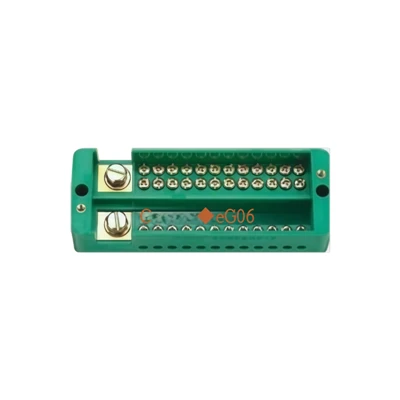
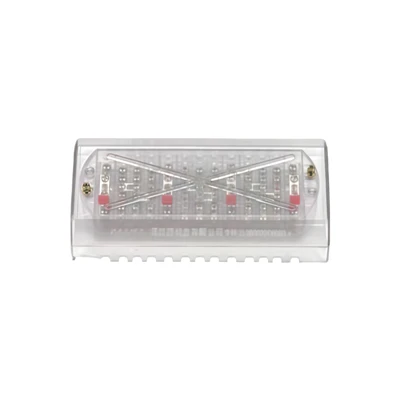
First off, let's talk about what a GPRS Metering Block is. A GPRS Metering Block is a device that combines metering functions with GPRS (General Packet Radio Service) communication capabilities. It's mainly designed to measure electrical parameters like voltage, current, power, and energy consumption. The GPRS part allows it to transmit this data wirelessly to a central monitoring system, which is super handy for remote monitoring and management.
With the GPRS connection, utilities, factories, or building managers can keep an eye on their electrical usage in real - time, detect any anomalies, and manage their energy consumption more efficiently. It's a great tool in the electrical metering world, but can it cross over to the gas metering field?
How Gas Metering Works
Gas metering is all about measuring the volume or mass of gas that passes through a pipeline. There are different types of gas meters, such as diaphragm meters, turbine meters, and ultrasonic meters. Each type has its own way of measuring gas.
Diaphragm meters use flexible diaphragms to measure the volume of gas in discrete amounts. Turbine meters, on the other hand, have a turbine that spins as gas flows through it, and the rotation speed is proportional to the gas flow rate. Ultrasonic meters use ultrasonic waves to measure the velocity of the gas and then calculate the flow rate based on the pipe's cross - sectional area.
The key thing about gas metering is that it needs to be accurate, reliable, and able to handle the specific properties of gas, like its pressure, temperature, and composition.
Challenges of Using GPRS Metering Block for Gas Metering
Physical Compatibility
One of the biggest challenges is physical compatibility. GPRS Metering Blocks are built for electrical connections. They have terminals and circuits designed to handle electrical signals. Gas meters, however, are designed to handle the flow of gas. They have inlets and outlets for gas pipes, and their internal components are made to work with the physical properties of gas. So, just from a physical design point of view, it's not straightforward to use a GPRS Metering Block for gas metering.
Measurement Principles
The measurement principles of electrical and gas metering are completely different. Electrical metering is based on measuring electrical quantities like voltage and current, while gas metering is about measuring gas flow and volume. A GPRS Metering Block doesn't have the sensors or the internal algorithms to directly measure gas properties.
For example, an electrical metering block uses shunts and voltage dividers to measure current and voltage. In contrast, a gas meter needs to measure things like gas density, pressure, and flow velocity, which requires specialized sensors that a GPRS Metering Block simply doesn't have.
Safety Concerns
Gas is a potentially dangerous substance. It's flammable and can cause explosions if not handled properly. GPRS Metering Blocks, which are designed for electrical systems, don't have the necessary safety features for a gas environment. For instance, they may not be explosion - proof, and the electrical components inside could potentially spark, which is a huge risk in a gas - filled area.
Potential Adaptations and Hybrid Solutions
While it's not feasible to directly use a GPRS Metering Block for gas metering, there are some potential hybrid solutions.
We could potentially integrate a GPRS communication module into a gas meter. This way, the gas meter can still use its own specialized measurement technology to measure gas flow, and the GPRS module can be used to transmit the data to a central system. This would give the gas meter the same remote monitoring capabilities that a GPRS Metering Block offers for electrical systems.
Another option could be to develop a new type of metering device that combines the functions of electrical and gas metering. This device could have separate measurement sections for electricity and gas, along with a single GPRS communication module to transmit all the data. However, this would require a lot of research and development to ensure accurate and reliable measurements for both types of energy.


Other Types of Metering Blocks
Before we wrap up, let's quickly talk about some other types of metering blocks that we offer.
We have the Anti Tamper Metering Block, which is designed to prevent unauthorized access and tampering. This is really important for utilities to ensure the accuracy of their metering and prevent fraud.
The Three Phase Three Wire Metering Block and Three Phase Four Wire Metering Block are used for three - phase electrical systems. They are designed to accurately measure the electrical parameters in these complex systems.
And our Anti Misconnection Metering Block helps prevent incorrect wiring connections, which can lead to inaccurate metering or even damage to the equipment.
Conclusion and Call to Action
So, to answer the question, a standard GPRS Metering Block can't be directly used for gas metering due to physical, measurement, and safety issues. But there are some exciting possibilities for hybrid solutions that could combine the best of both worlds.
If you're interested in our GPRS Metering Blocks or any of our other metering products, don't hesitate to reach out. We're always happy to discuss your specific needs and find the best metering solution for you. Whether you're in the electrical or gas industry, we've got the expertise and products to meet your requirements. Let's start a conversation and see how we can work together.
References
- Electrical Metering Handbook
- Gas Metering and Regulation Manual