



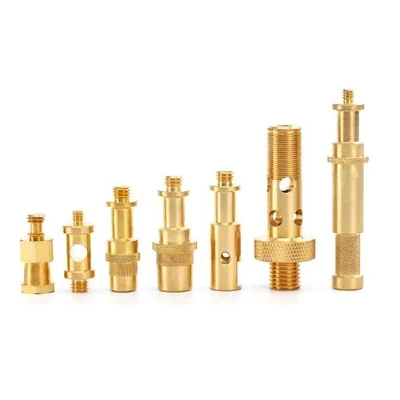


Hey there! As a supplier of single phase connectors, I often get asked if these connectors require special installation. Well, let's dive right into it and find out.
First off, what are single phase connectors? They're used in a whole bunch of electrical systems, mainly in residential and small - scale commercial setups. A single phase power supply is the most common type of electricity supply for homes, and single phase connectors play a crucial role in making sure that power is safely and efficiently transferred.
Now, back to the question: do they need special installation? The answer isn't a simple yes or no. It depends on a few factors.
Factors Affecting Installation Requirements
1. Connector Type
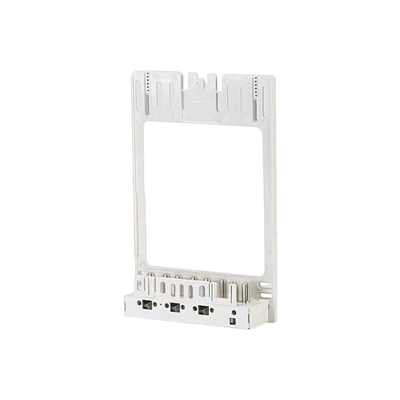
There are different types of single phase connectors out there. For example, we have the Single Phase Interference Connector 60A. This type of connector is designed to deal with electrical interference. Its installation might require some extra steps to ensure that the interference - reducing features work properly. You'd need to make sure that it's properly grounded and that the connections are tight to prevent any signal leakage.
Another type is the Single Phase Interference Connector Outward 60A. This one is a bit different in terms of its design and how it interacts with the electrical system. Installation of this connector might involve more precise alignment and connection to avoid any issues with power flow.
Then we have the Single Phase Clearance Connector 60A. This connector is focused on providing proper clearance in the electrical system. During installation, you need to pay close attention to the space around the connector and make sure there's enough room for it to operate safely.
2. Electrical System Compatibility
The electrical system where the single phase connector will be installed also matters a lot. If the system has specific voltage requirements or grounding configurations, the installation of the connector has to be adjusted accordingly. For instance, if the system has a high - voltage environment, you'll need to use special tools and follow strict safety procedures during installation. You can't just plug the connector in without checking if it can handle the voltage.
3. Local Electrical Codes
Local electrical codes are a big deal. Every area has its own set of rules and regulations when it comes to electrical installations. These codes are in place to ensure the safety of the people using the electrical system. Some codes might require a licensed electrician to install the single phase connectors. Others might have specific requirements for the type of wiring, the placement of the connector, and the testing procedures after installation. So, you've got to make sure you're up - to - date with the local codes before starting the installation.
Special Installation Steps
If you're dealing with a connector that does require special installation, here are some common steps you might need to take:


1. Safety First
Before you even start the installation, make sure you turn off the power supply. This is a no - brainer, but it's often overlooked. You don't want to get electrocuted while working on the connector. Wear appropriate safety gear like gloves and safety glasses.
2. Preparation
Inspect the connector and the installation area. Make sure there are no visible damages to the connector. Check the wiring and the connection points in the electrical system. Clean the area to remove any dust or debris that could interfere with the installation.
3. Wiring
Connect the wires to the connector according to the manufacturer's instructions. Use the right tools to make sure the connections are secure. If the connector has specific color - coding for the wires, follow it carefully.
4. Grounding
Proper grounding is essential for the safety of the electrical system. Make sure the connector is grounded correctly. This might involve connecting a grounding wire to the connector and then to the appropriate grounding point in the electrical system.
5. Testing
After the installation is complete, turn on the power supply and test the connector. Check for any signs of overheating, electrical interference, or loose connections. If you notice any problems, turn off the power immediately and fix the issue.
When Special Installation Isn't Necessary
In some cases, single phase connectors can be installed without any special procedures. If the connector is a standard type and the electrical system is straightforward, the installation can be as simple as plugging it in. For example, if you're using a basic single phase connector in a residential outlet, and the outlet is properly wired and grounded, you can usually install the connector without much hassle.
However, even in these cases, it's still a good idea to follow some basic safety guidelines. Always turn off the power before installation, and double - check the connections to make sure they're secure.
Conclusion
So, do single phase connectors require special installation? It really depends on the type of connector, the electrical system, and the local electrical codes. Some connectors might need extra steps to ensure proper functionality and safety, while others can be installed more easily.
If you're in the market for single phase connectors and have questions about installation, don't hesitate to reach out. We're here to help you choose the right connector for your needs and provide guidance on the installation process. Whether you're a DIY enthusiast or a professional electrician, we've got the expertise and the products to make your electrical project a success. Get in touch with us to start a discussion about your procurement needs.
References
- Electrical Installation Handbook, Various Authors
- Local Electrical Codes, Local Government Publications