





GPRS metering blocks have become an essential component in modern metering systems, enabling remote data transmission and monitoring. As a GPRS metering block supplier, I often receive inquiries about the signal strength requirements for these devices. In this blog post, I will delve into the details of what signal strength is necessary for optimal performance of GPRS metering blocks, and how it impacts their functionality.
Understanding GPRS and Its Significance in Metering Blocks
General Packet Radio Service (GPRS) is a packet - switched technology that allows mobile devices to connect to the internet and send data. In the context of metering blocks, GPRS enables the transfer of metering data, such as electricity consumption, to a central server for analysis and billing purposes. This remote data collection eliminates the need for manual meter reading, improving efficiency and accuracy.
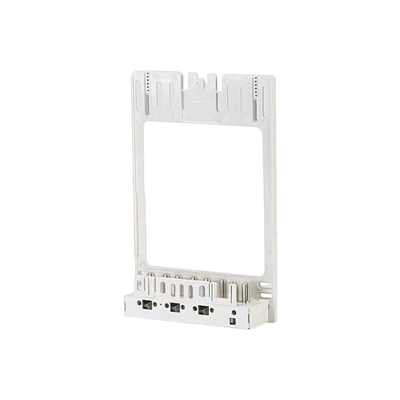
A GPRS Metering Block combines the functionality of a traditional metering block with GPRS communication capabilities. It is typically installed in electrical distribution systems to measure and transmit electrical parameters. However, for the GPRS module in the metering block to work effectively, it requires a certain level of signal strength.
Signal Strength Metrics
Signal strength is usually measured in decibels relative to a milliwatt (dBm). The range of signal strength values can vary, but generally:


- -50 dBm to -70 dBm: This is considered an excellent signal strength. In this range, the GPRS connection is very stable, allowing for fast and reliable data transmission. Metering blocks with such strong signals can send and receive data without any significant delays or errors.
- -70 dBm to -90 dBm: A good signal strength. While there may be occasional minor interruptions, the overall performance of the GPRS connection is still satisfactory. Most metering blocks can operate well in this range and ensure timely data transfer.
- -90 dBm to -100 dBm: A fair signal strength. At this level, the GPRS connection may experience more frequent drops or slower data transfer speeds. There is a higher risk of data loss, which can affect the accuracy of metering data collection and transmission.
- Below -100 dBm: A poor signal strength. In this case, the GPRS connection may be very unreliable, with frequent disconnections and slow or no data transfer at all. Metering blocks may not be able to function properly under such conditions.
Factors Affecting Signal Strength Requirements
Location
The physical location of the GPRS metering block plays a crucial role in determining the signal strength requirements.
- Urban Areas: In densely populated urban areas, there are usually multiple cell towers, which can provide relatively strong GPRS signals. However, tall buildings and other structures can cause signal interference and attenuation. Despite this, metering blocks can often operate with a signal strength in the -70 dBm to -90 dBm range due to the high density of cell towers.
- Rural Areas: Rural areas may have fewer cell towers, resulting in weaker signals. In such locations, a stronger signal (closer to -50 dBm to -70 dBm) may be required to ensure reliable data transmission. Otherwise, the metering block may experience frequent disconnections and data loss.
Surrounding Environment
The materials and equipment surrounding the GPRS metering block can also impact signal strength.
- Metallic Enclosures: If the metering block is installed in a metallic enclosure, it can act as a Faraday cage, blocking the GPRS signal. In this case, it may be necessary to use external antennas to boost the signal and ensure that it meets the required strength.
- Electromagnetic Interference: Nearby electrical equipment, such as transformers or high - voltage lines, can generate electromagnetic interference, which can weaken the GPRS signal. Special shielding may be required to reduce the impact of this interference and maintain the necessary signal strength.
Impact of Signal Strength on GPRS Metering Block Performance
Data Transmission Reliability
A strong signal strength is crucial for reliable data transmission. When the signal strength is within the optimal range, the metering block can send and receive data packets without errors. This ensures that the metering data, such as electricity consumption values, are accurately transmitted to the central server. On the other hand, a weak signal can lead to packet loss, which means that some of the metering data may not reach the server. This can result in inaccurate billing and monitoring.
Battery Life
In battery - powered GPRS metering blocks, the signal strength also affects the battery life. When the signal is weak, the GPRS module has to work harder to establish and maintain a connection. This consumes more power from the battery, reducing its lifespan. In contrast, a strong signal allows the module to operate efficiently, minimizing power consumption and extending the battery life.
Ensuring Adequate Signal Strength
Antenna Selection
Choosing the right antenna is an important step in ensuring adequate signal strength. External antennas can provide better signal reception compared to internal antennas, especially in areas with weak signals. They can be installed in a location where they can receive the strongest possible signal, such as on the roof or outside a building.
Site Survey
Before installing a GPRS metering block, it is advisable to conduct a site survey to assess the signal strength at the installation location. This can be done using a signal strength meter. Based on the survey results, appropriate measures can be taken, such as adjusting the antenna position or using a signal booster, to ensure that the signal strength meets the requirements.
Other Types of Metering Blocks
In addition to GPRS Metering Block, there are several other types of metering blocks available, including:
- Three Phase Three Wire Metering Block: This type of metering block is used in three - phase three - wire electrical systems and is designed to measure the electrical parameters accurately.
- Three Phase Four Wire Metering Block: Ideal for three - phase four - wire systems, it provides a more comprehensive measurement of electrical energy.
- Anti Misconnection Metering Block: This metering block is designed to prevent incorrect wiring, which can lead to inaccurate metering and potential safety hazards.
- Anti Tamper Metering Block: It is equipped with features to prevent unauthorized access and tampering, ensuring the integrity of the metering data.
Contact for Procurement
If you are in the market for high - quality GPRS metering blocks or any of the other types of metering blocks mentioned above, please feel free to contact us. Our team of experts can provide you with detailed information about our products, including their signal strength requirements, and help you select the most suitable metering block for your specific needs. We are committed to providing reliable and efficient metering solutions to meet your business requirements.
References
- "Wireless Communication Technologies for Smart Grid", IEEE Transactions on Industrial Electronics.
- "Metering and Data Transmission in Electrical Distribution Systems", Journal of Power Systems Research.