


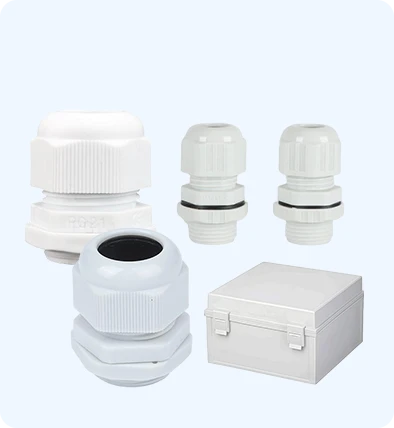


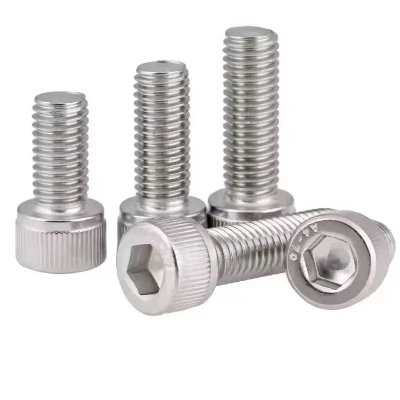
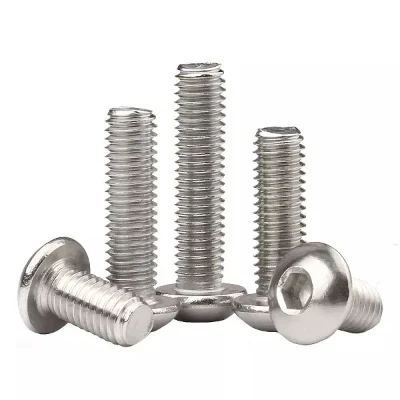


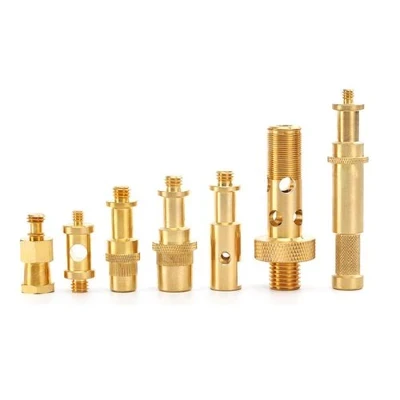

The core technology of waterproof sealed boxes is based on sealing and leak-proof techniques to prevent moisture and other external substances from entering the interior, protecting the contents. Common technologies include rubber sealing rings, leak-proof strips, and waterproof screws. In terms of material selection, the outer shell material must possess properties such as corrosion resistance, high-temperature resistance, low-temperature resistance, and impact resistance, while internal components such as gaskets and sealing rings require good flexibility, wear resistance, and corrosion resistance. Key elements of the structural design include the lid, sealing ring, switch, and fixing device; a reasonable design can effectively enhance waterproof performance.
The waterproof component consists of a sealing part and a gap part. The sealing part fits snugly against the inner wall of the lower shell, while the gap part forms a sealant reservoir between itself and the inner wall. When the upper and lower shells are assembled, the lower end of the upper lid enters the sealant reservoir, allowing the sealant in the reservoir to completely fill the gap, ensuring a complete seal between the upper and lower shells, thus solving the problem of gaps easily created by screw fixing.


