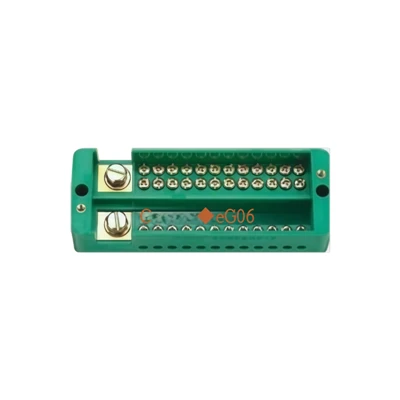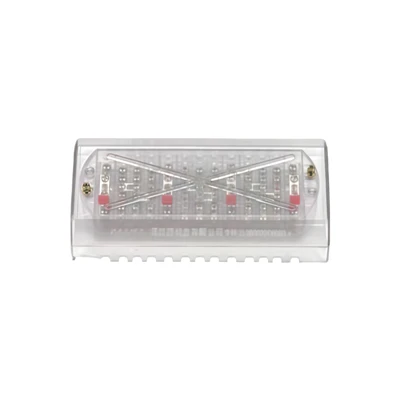






Hey there! I'm a supplier of China CT connectors, and today I'm gonna chat with you about the materials used in these connectors. CT connectors, also known as current transformer connectors, are super important in electrical systems for measuring current accurately. So, what exactly are these connectors made of? Let's dive in!
Common Materials for China CT Connectors
1. Plastic
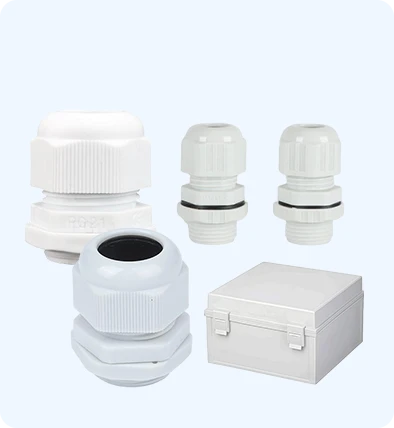
Plastic is one of the most widely used materials in China CT connectors. It's got a bunch of advantages that make it a top choice. First off, it's lightweight. This means that when you're installing these connectors, you don't have to deal with a lot of extra weight. It's also easy to mold into different shapes, which is great for creating connectors that fit specific applications.
There are different types of plastics used. For example, polycarbonate is a popular option. It's strong and can withstand high temperatures without deforming. This is crucial because CT connectors can get pretty hot when they're in use. Another type is ABS (acrylonitrile butadiene styrene). ABS is known for its good impact resistance, so it can handle a bit of rough handling during installation or maintenance.
2. Metal
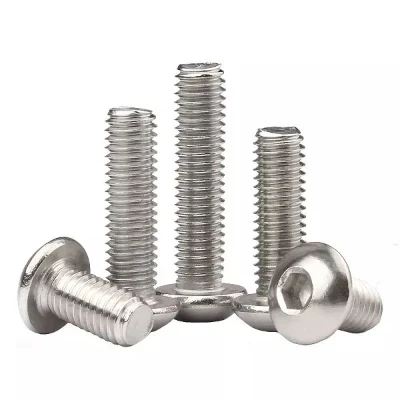
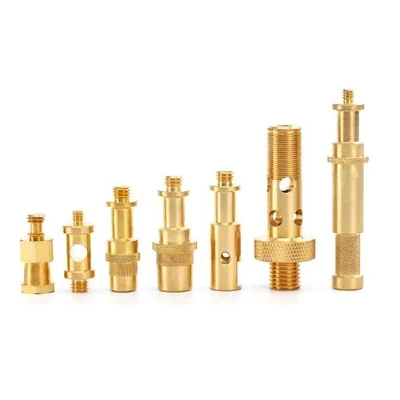
Metals are also key players in CT connectors. Copper is a common choice for the conductive parts. Copper is an excellent conductor of electricity, which means it can transfer current efficiently. It also has good corrosion resistance, so it can last a long time even in harsh environments.
Aluminum is another metal that's sometimes used. It's lighter than copper, which can be an advantage in some applications where weight is a concern. However, aluminum isn't as good a conductor as copper, so it might not be suitable for high - current applications.
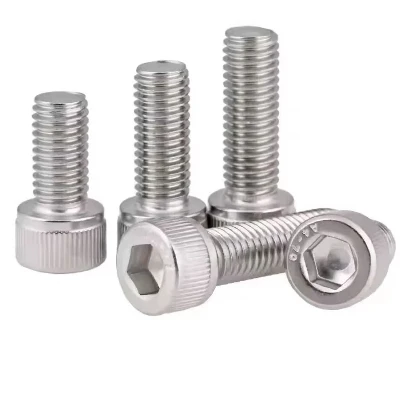
Stainless steel is used for the housing or the outer parts of the connectors. It's strong, durable, and resistant to corrosion. This helps protect the internal components of the connector from damage and environmental factors.
3. Rubber
Rubber is used for insulation and sealing purposes. It provides a good barrier against electrical leakage and also helps keep out moisture and dust. Silicone rubber is a popular choice because it has good flexibility, high temperature resistance, and excellent electrical insulation properties.
Different Connector Types and Their Materials
Three - Phase CT Connectors
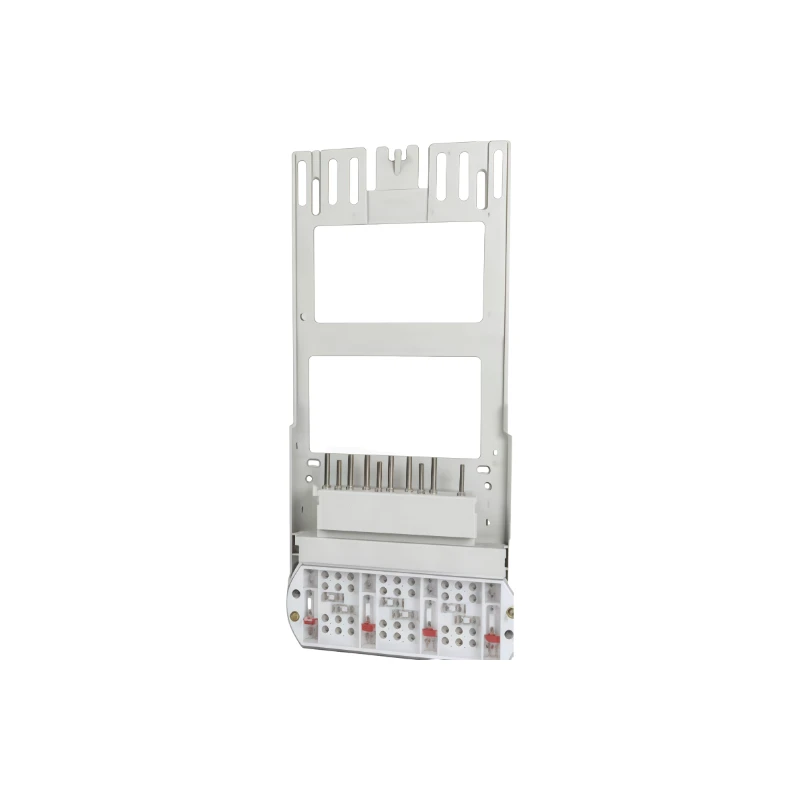
We've got some cool three - phase CT connectors in our product range. For instance, the Three Phase CT Clearance Connector 6A is designed to provide clearance in three - phase electrical systems. The housing of this connector is usually made of a high - quality plastic like polycarbonate. The conductive parts are made of copper to ensure efficient current transfer.
The Three Phase CT Interference Split Connector 6A is used to deal with interference in three - phase systems. It has a split design, which makes it easier to install. The body of this connector is often made of ABS plastic for its impact resistance, and the internal conductors are copper.
The Three Phase CT Clearance Split Connector 6A combines the features of clearance and a split design. The plastic used here is carefully selected to provide both strength and the right shape for easy installation. And of course, copper is used for the conductive elements.
The Three Phase CT Interference Connector 6A is designed to reduce interference in three - phase circuits. Its housing is made of stainless steel for durability, and the internal parts are made of copper for good conductivity.
Why These Materials Matter
The choice of materials in CT connectors is super important. If you use the wrong material, it can lead to all sorts of problems. For example, if the conductive material isn't a good conductor, it can cause a lot of energy loss in the form of heat. This not only wastes energy but can also damage the connector over time.

The insulation material is also crucial. If it doesn't provide good insulation, there could be electrical leakage, which is a safety hazard. And if the housing material isn't strong enough, it can break easily, exposing the internal components to damage.
Quality Control in Material Selection
As a China CT connector supplier, we take quality control very seriously. We work closely with our material suppliers to make sure that the materials we use meet the highest standards. We test the materials for their electrical properties, strength, and durability before using them in our connectors.
We also have a strict quality control process during the manufacturing of the connectors. This includes checking the dimensions, the conductivity of the conductive parts, and the insulation properties of the insulating materials. This way, we can ensure that our CT connectors are reliable and perform well in different applications.
Applications of China CT Connectors
China CT connectors are used in a wide range of applications. They're commonly used in power distribution systems, where they help measure the current flowing through different circuits. They're also used in industrial automation, where accurate current measurement is essential for controlling machinery.
In renewable energy systems like solar and wind power plants, CT connectors are used to monitor the current generated by the panels or turbines. This helps in optimizing the power output and ensuring the safety of the system.
Wrapping It Up and Invitation to Contact
So, that's a bit about the materials used in China CT connectors. As you can see, the choice of materials is carefully considered to ensure the performance, reliability, and safety of the connectors.
If you're in the market for high - quality CT connectors, I'd love to have a chat with you. Whether you need a specific type of connector for a particular application or you just want to learn more about our products, feel free to reach out. We're here to provide you with the best solutions for your electrical needs.
References
- Electrical Engineering Handbook: Covers the basics of electrical components and materials.
- Industry reports on current transformer connectors: Provide insights into the latest trends and materials used in the industry.