





Hey there! As a supplier of waterproof enclosures, I often get asked about the chemical resistance of these enclosures. So, I thought I'd write this blog to share some insights on what chemical resistance means for waterproof enclosures and why it's super important.
First off, let's talk about what we mean by chemical resistance. Chemical resistance refers to the ability of a material to withstand the effects of various chemicals without significant degradation. In the context of waterproof enclosures, this means that the enclosure can protect its contents from exposure to chemicals that it might come into contact with in its environment.
There are several factors that can affect the chemical resistance of a waterproof enclosure. The material the enclosure is made of is a big one. Common materials for waterproof enclosures include plastics like polycarbonate, fiberglass, and stainless steel. Each of these materials has different levels of chemical resistance.
Polycarbonate is a popular choice for waterproof enclosures because it's lightweight, strong, and has good optical clarity. It also has decent chemical resistance to many common chemicals, such as acids, alkalis, and solvents. However, it may not be suitable for use in environments where it will be exposed to certain aggressive chemicals, like some types of chlorinated solvents.
Fiberglass is another material used for waterproof enclosures. It's known for its high strength-to-weight ratio and excellent corrosion resistance. Fiberglass enclosures can withstand a wide range of chemicals, including acids, alkalis, and many organic solvents. They're often used in industrial settings where there's a risk of chemical exposure.
Stainless steel is a very durable material with excellent chemical resistance. It can resist corrosion from many chemicals, including acids, alkalis, and salts. Stainless steel enclosures are commonly used in harsh environments, such as marine and chemical processing facilities.


The design of the enclosure also plays a role in its chemical resistance. A well-designed enclosure will have tight seals to prevent chemicals from seeping inside. It may also have features like gaskets and O-rings to provide an extra layer of protection.
Now, let's talk about why chemical resistance is so important for waterproof enclosures. In many industries, such as chemical processing, pharmaceuticals, and food and beverage, enclosures are often exposed to a variety of chemicals. If an enclosure doesn't have good chemical resistance, the chemicals can damage the enclosure and its contents. This can lead to equipment failure, safety hazards, and costly downtime.
For example, in a chemical processing plant, an enclosure that houses electrical components may be exposed to corrosive chemicals. If the enclosure isn't chemically resistant, the chemicals can corrode the enclosure and the electrical components inside, causing them to malfunction. This can lead to production delays and potentially dangerous situations.
In the pharmaceutical industry, enclosures are used to protect sensitive equipment and medications from contamination. Chemical resistance is crucial to ensure that the enclosure can prevent the ingress of chemicals that could contaminate the products.
When choosing a waterproof enclosure, it's important to consider the specific chemicals it will be exposed to. You can consult with a chemical resistance chart to determine which materials are suitable for your application. These charts provide information on the compatibility of different materials with various chemicals.
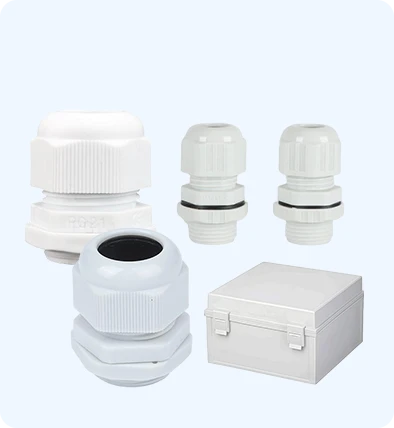
At our company, we offer a wide range of waterproof enclosures with different levels of chemical resistance. We also provide accessories like Nylon Cable Gland PG21, Nylon Cable Gland Metric M25, and Nylon Cable Gland Metric M12 that are designed to work with our enclosures and provide additional protection.
If you're in the market for a waterproof enclosure with good chemical resistance, we'd love to help. Our team of experts can assist you in choosing the right enclosure for your specific needs. We can also provide you with detailed information on the chemical resistance of our products and answer any questions you may have.
In conclusion, chemical resistance is an important factor to consider when choosing a waterproof enclosure. By understanding the different materials and their chemical resistance properties, you can make an informed decision and ensure that your enclosure can protect its contents from the chemicals it will be exposed to.
If you have any questions or would like to discuss your requirements further, don't hesitate to reach out. We're here to help you find the perfect waterproof enclosure for your application.
References:
- ASTM International. (2023). Standard Test Methods for Evaluating the Resistance of Plastics to Chemical Reagents.
- Corrosionpedia. (2023). Chemical Resistance.
- Engineering ToolBox. (2023). Chemical Resistance of Materials.