





Hey there! If you're in the business of dealing with power distribution and metering, you've probably come across the need to connect a metering junction box to the power grid. Well, lucky for you, I'm a supplier of metering junction boxes, and I'm here to walk you through the process in a straightforward way.
What's a Metering Junction Box Anyway?
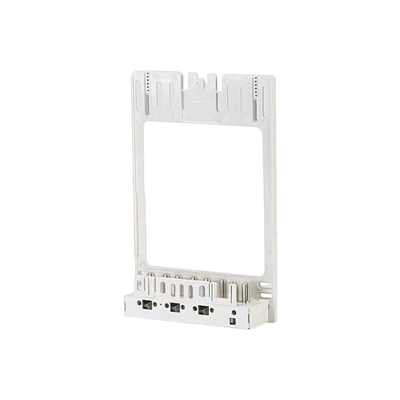
First things first, you might be wondering what exactly a metering junction box is. Think of it as a central hub that connects multiple meters or electrical devices to the power supply. It helps in organizing the wiring, ensuring accurate metering, and protecting the electrical components. We offer a variety of these boxes, like the One Inlet Sixteen Outlet Block, Two Inlet Twenty Four Outlet Neutral Box, Single Phase Four Meter Terminal, Single Phase Two Meter Terminal, and GPRS Metering Block. Each one is designed for different needs and applications, so you can find the perfect fit for your project.
Prerequisites Before Connecting
Before you start connecting the metering junction box to the power grid, there are a few things you need to take care of.
Safety First: Safety should always be your top priority when working with electricity. Make sure you're wearing the appropriate safety gear, like insulated gloves and safety glasses. Also, switch off the power supply to the area where you'll be working to avoid any electric shocks.
Inspect the Box: Check the metering junction box for any damages or defects. Make sure all the terminals are in good condition and there are no loose wires. If you find any issues, contact us right away, and we'll provide you with a replacement or assistance.


Understand the Electrical System: Have a clear understanding of the electrical system you're working with. Know the voltage, current, and phase requirements. This information is crucial for a proper and safe connection.
Step-by-Step Guide to Connecting
Step 1: Mount the Junction Box
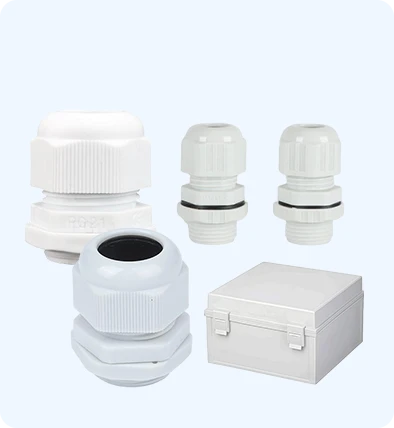
Find a suitable location to mount the metering junction box. It should be in a dry, well-ventilated area, and easily accessible for future maintenance. Use the appropriate mounting hardware to secure the box to the wall or other support structure. Make sure the box is level and properly aligned.
Step 2: Connect the Incoming Power Supply
Once the box is mounted, it's time to connect the incoming power supply. For most residential and commercial applications, this will be a three-phase or single-phase power line. Identify the live, neutral, and ground wires coming from the power grid. Carefully strip the insulation from the ends of the wires and connect them to the corresponding terminals in the metering junction box. Tighten the terminal screws firmly to ensure a good electrical connection.
Step 3: Connect the Meters or Electrical Devices
Next, connect the meters or other electrical devices to the appropriate outlets in the metering junction box. Again, make sure to match the live, neutral, and ground wires correctly. For multiple meters, use the proper wiring scheme to ensure accurate metering. Some of our junction boxes, like the One Inlet Sixteen Outlet Block, are designed to handle multiple connections efficiently.
Step 4: Check the Connections
After all the connections are made, double-check everything to make sure there are no loose wires or incorrect connections. Use a multimeter to test the voltage and continuity at each terminal. This will help you identify and fix any potential issues before turning on the power.
Step 5: Turn On the Power
Once you're satisfied with the connections and the tests, it's time to turn on the power. Switch on the main circuit breaker and check if all the meters and electrical devices are working properly. Monitor the system for a while to ensure there are no abnormal readings or electrical problems.
Troubleshooting Tips
Even with proper installation, you might encounter some issues. Here are a few common problems and how to fix them:
No Power: If there's no power to the meters or devices, check the main circuit breaker to make sure it's in the "ON" position. Also, check the connections at the metering junction box for any loose or damaged wires.
Inaccurate Meter Readings: If the meters are showing inaccurate readings, there could be a problem with the wiring or the meters themselves. Check the wiring connections to make sure they're correct, and if necessary, contact a professional electrician to calibrate the meters.
Overheating: If the metering junction box or the meters are overheating, it could be due to overloading or a short circuit. Check the load on the system and make sure it's within the rated capacity of the junction box. If you suspect a short circuit, turn off the power immediately and have the system inspected by a professional.
Benefits of Using Our Metering Junction Boxes
Our metering junction boxes offer several benefits that make them a great choice for your project:
High Quality: We use high-quality materials and manufacturing processes to ensure the durability and reliability of our junction boxes. They're built to last and can withstand harsh environmental conditions.
Accurate Metering: Our boxes are designed to provide accurate metering, which is essential for proper billing and energy management.
Easy Installation: With clear instructions and user-friendly designs, our junction boxes are easy to install, even for those with limited electrical experience.
Versatility: We offer a wide range of junction boxes to suit different needs and applications. Whether you're working on a small residential project or a large commercial installation, we have the right product for you.
Why Choose Us as Your Supplier
As a supplier of metering junction boxes, we're committed to providing our customers with the best products and services. Here's why you should choose us:
Expertise: We have years of experience in the electrical industry and have a deep understanding of metering junction boxes. Our team of experts can provide you with technical support and advice to help you choose the right product for your project.
Customization: We understand that every project is unique, and sometimes you need a customized solution. We can work with you to design and manufacture metering junction boxes that meet your specific requirements.
Competitive Pricing: We offer competitive pricing without compromising on quality. Our goal is to provide you with the best value for your money.
Let's Connect and Do Business
If you're interested in purchasing metering junction boxes or have any questions about the connection process, don't hesitate to reach out to us. We're here to assist you every step of the way. Whether you're a contractor, an electrician, or a property owner, we can provide you with the products and support you need to complete your project successfully.
Let's start a conversation and see how we can help you meet your metering and power distribution needs. You won't be disappointed!
References
- Electrical Wiring Handbook. McGraw-Hill Education.
- National Electrical Code (NEC) standards.