





Troubleshooting a waterproof enclosure that's no longer waterproof can be a real headache, but don't sweat it! As a supplier of waterproof enclosures, I've seen my fair share of these issues and have plenty of tips to share. Let's dive right in and figure out what might be going wrong.
First off, it's important to understand that a waterproof enclosure is only as good as its weakest point. There are several common areas where water might be sneaking in, and we'll go through each one step by step.
Check the Seals
The most obvious place to start is with the seals. These are the rubber gaskets that line the edges of the enclosure and keep water out. Over time, seals can wear out, dry up, or get damaged, which can lead to leaks.
To check the seals, take a good look at them for any signs of wear, cracks, or tears. If you see any damage, it's time to replace the seal. Most waterproof enclosures have replaceable seals, which you can easily order from us. Just make sure you get the right size and type for your enclosure.
Another thing to look for is proper installation. The seal needs to be seated correctly in the groove around the enclosure. If it's not, water can find its way in. You might need to clean the groove and make sure there's no debris or dirt that could interfere with the seal's fit.
Examine the Cable Glands
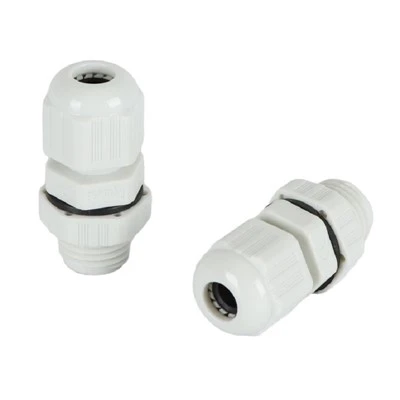
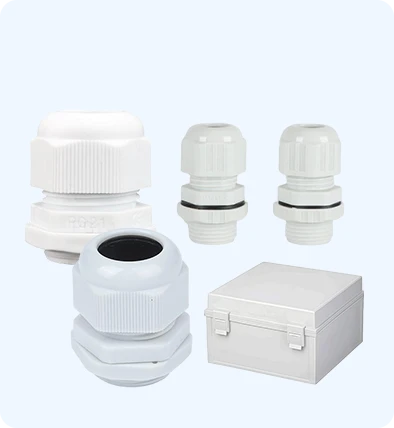
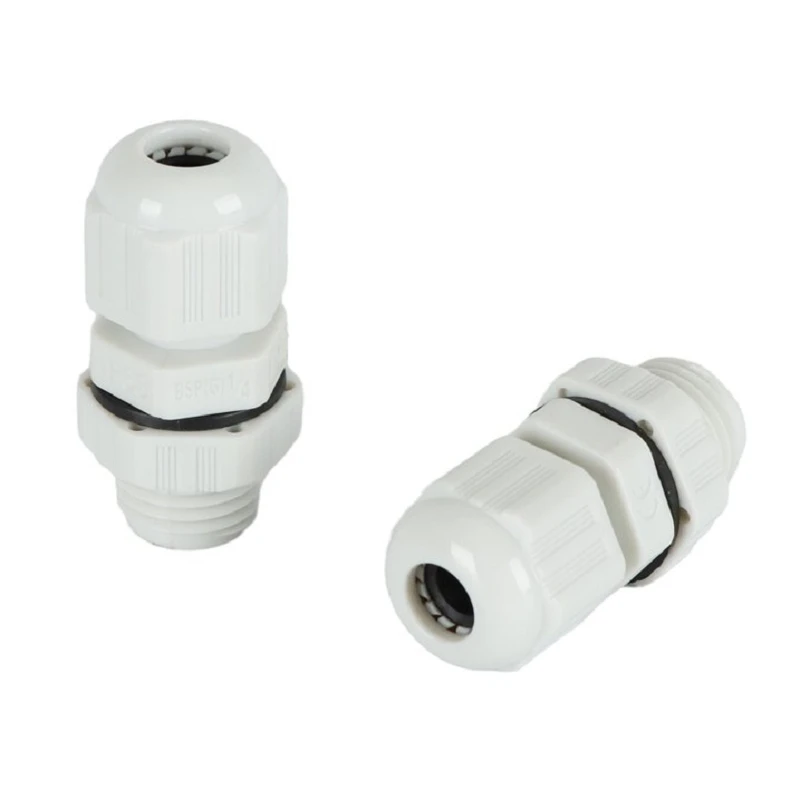
Cable glands are another common source of leaks. These are the fittings that allow cables to pass through the enclosure while still maintaining a waterproof seal. If the cable glands are loose, damaged, or not installed correctly, water can seep in along the cables.
Start by checking the tightness of each cable gland. Use a wrench or pliers to make sure they're securely tightened. If you find a loose gland, tighten it gently until it's snug. Be careful not to overtighten, as this can damage the gland or the enclosure.
Next, inspect the cable glands for any signs of damage. Look for cracks, splits, or worn-out threads. If you find any damaged glands, replace them right away. We offer a variety of cable glands, including Nylon Cable Gland Metric M20, Nylon Cable Gland Metric M12, Nylon Cable Gland PG11, Nylon Cable Gland PG21, and Nylon Cable Gland Metric M25, to suit different cable sizes and enclosure types.
Also, make sure the cables are properly inserted into the gland. The gland should be able to grip the cable tightly to prevent water from entering. If the cable is too thin or too thick for the gland, it might not create a proper seal.
Look for Holes or Cracks in the Enclosure
Sometimes, the problem can be as simple as a hole or crack in the enclosure itself. This can happen due to physical damage, such as being dropped or hit with a tool.
Inspect the entire enclosure carefully, looking for any visible holes, cracks, or chips. Pay special attention to the corners and edges, as these are the areas most prone to damage. If you find a hole or crack, you'll need to repair it as soon as possible.
For small holes, you can use a waterproof sealant or epoxy to fill them. Make sure to clean the area thoroughly before applying the sealant and follow the manufacturer's instructions for the best results. For larger cracks, you might need to replace the affected part of the enclosure or even the whole enclosure if the damage is severe.
Evaluate the Latches and Hinges
Latches and hinges are critical components that keep the enclosure closed tightly. If they're not working properly, the enclosure might not seal correctly, allowing water to enter.
Check the latches to make sure they're engaging properly and holding the enclosure shut tightly. If a latch is loose or damaged, it might need to be tightened or replaced. You can usually adjust the tension of the latches by tightening or loosening the screws that hold them in place.
The hinges also need to be in good condition. Look for any signs of rust, wear, or damage. If the hinges are sticking or not allowing the door to close properly, you can lubricate them with a silicone-based lubricant. In some cases, you might need to replace the hinges if they're too damaged.
Consider the Environmental Conditions
The environment where the enclosure is installed can also play a role in its waterproof performance. Extreme temperatures, high humidity, and exposure to chemicals or pollutants can all affect the seals and materials over time.
If the enclosure is exposed to harsh conditions, you might need to take additional steps to protect it. For example, you can install a shelter or cover to protect it from direct sunlight, rain, or snow. You can also use a corrosion-resistant coating on the enclosure to prevent damage from chemicals or pollutants.

In some cases, you might need to upgrade to a more durable enclosure that's designed to withstand the specific environmental conditions. We offer a range of enclosures with different ratings for protection against water, dust, and other elements.
Testing the Enclosure
Once you've made all the necessary repairs and adjustments, it's a good idea to test the enclosure to make sure it's waterproof again. You can do a simple water test by spraying the enclosure with a hose or placing it in a shallow pool of water for a short period of time.
Check for any signs of water inside the enclosure after the test. If you find any leaks, go back and recheck the seals, cable glands, and other areas to identify the source of the problem.
Conclusion
Troubleshooting a waterproof enclosure that's no longer waterproof can be a bit of a process, but by following these steps, you should be able to identify and fix the problem. Remember, the key is to be thorough and double-check everything.
If you're still having trouble or need more advice, don't hesitate to reach out to us. We're here to help you find the right solutions for your waterproof enclosure needs. Whether you need replacement parts, new enclosures, or just some technical guidance, we're your go-to supplier.
Contact us today to discuss your requirements and let's get your waterproof enclosure back in top condition!
References
- Manufacturer's manuals for waterproof enclosures and cable glands
- Industry standards for waterproof enclosures and protection ratings (e.g., IP ratings)