



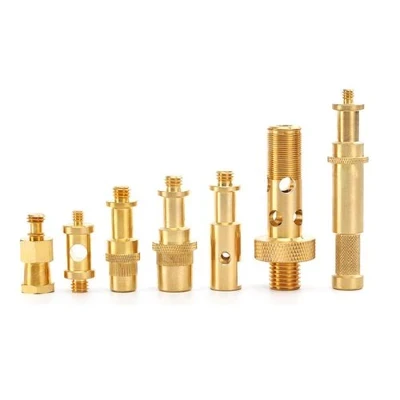


As a supplier of meter connectors, I understand the importance of proper storage for these crucial components. Meter connectors play a vital role in electrical systems, ensuring accurate measurement and reliable connections. Improper storage can lead to damage, corrosion, and reduced performance, which can ultimately affect the functionality of the entire electrical setup. In this blog post, I will share some essential tips on how to store meter connectors properly to maintain their quality and longevity.
Understanding the Types of Meter Connectors
Before delving into storage methods, it's important to understand the different types of meter connectors available. At our company, we offer a wide range of connectors to meet various electrical requirements. Some of the popular types include:
- Single Phase Clearance Connector 60A: This connector is designed for single-phase electrical systems and provides a clear connection for accurate meter readings.
- Three Phase CT Interference Connector 6A: Ideal for three-phase systems, this connector helps to minimize interference and ensure precise current transformer readings.
- Three Phase CT Clearance Connector 6A: Similar to the interference connector, this one is also for three-phase systems but focuses on providing a clear connection for current transformers.
- Three Phase Integrated Clearance Connector: This connector integrates multiple functions and is suitable for complex three-phase electrical setups.
- Three Phase Interference Connector 80A: Designed to handle higher currents in three-phase systems, it helps to reduce interference and maintain accurate readings.
Storage Environment
The first step in proper storage is to create an appropriate environment for the meter connectors. Here are some key factors to consider:
Temperature
Meter connectors are sensitive to temperature variations. Extreme heat or cold can cause the materials to expand or contract, leading to mechanical stress and potential damage. It's recommended to store the connectors in a temperature-controlled environment, ideally between 10°C and 30°C (50°F and 86°F). Avoid storing them in areas exposed to direct sunlight or near heat sources such as radiators or furnaces.
Humidity
High humidity can cause corrosion and oxidation of the connector surfaces, which can affect their electrical conductivity. Keep the storage area dry, with a relative humidity level between 30% and 60%. If the humidity is too high, consider using dehumidifiers or moisture-absorbing materials such as silica gel packets.
Dust and Contamination
Dust, dirt, and other contaminants can accumulate on the connectors and interfere with their performance. Store the connectors in a clean, dust-free environment. If possible, use sealed containers or cabinets to protect them from external particles. Avoid storing them in areas with high levels of airborne dust, such as construction sites or industrial areas.
Packaging
Proper packaging is essential for protecting meter connectors during storage. Here are some packaging tips:
Original Packaging
Whenever possible, keep the connectors in their original packaging. The original packaging is designed to provide a certain level of protection and may include features such as foam inserts or anti-static materials. If the original packaging is damaged or lost, consider using similar protective packaging materials.
Anti-Static Bags
Meter connectors are often sensitive to static electricity, which can cause damage to their internal components. Use anti-static bags to store the connectors. These bags are designed to prevent the buildup of static charges and protect the connectors from electrostatic discharge (ESD).
Labeling
Label the packaging clearly with the type, model, and quantity of the connectors. This will make it easier to identify and locate the connectors when needed. Additionally, include any relevant information such as the date of purchase or the expiration date if applicable.
Handling and Storage
When handling and storing meter connectors, it's important to follow some basic guidelines to prevent damage:
Avoid Physical Damage
Handle the connectors with care to avoid physical damage. Avoid dropping, bending, or applying excessive force to the connectors. Use appropriate tools when installing or removing the connectors to prevent scratching or other damage to the surfaces.
Separate Storage
Store different types and models of connectors separately to prevent confusion and potential damage. Use dividers or compartments in the storage containers to keep the connectors organized.
Stacking
If stacking the connectors, make sure to stack them in a stable and secure manner. Avoid stacking them too high to prevent them from toppling over and causing damage.
Regular Inspection
Regular inspection of the stored meter connectors is important to ensure their quality and functionality. Here are some inspection tips:
Visual Inspection
Periodically check the connectors for any signs of damage, such as cracks, scratches, or corrosion. If any damage is detected, take appropriate action, such as replacing the connector or repairing it if possible.
Electrical Testing
If possible, perform electrical tests on the connectors to ensure their proper functionality. This can include checking the resistance, continuity, and insulation of the connectors.
Conclusion
Proper storage of meter connectors is crucial for maintaining their quality and performance. By creating an appropriate storage environment, using proper packaging, handling the connectors with care, and conducting regular inspections, you can ensure that your meter connectors remain in good condition and are ready for use when needed.
If you are interested in purchasing meter connectors or have any questions about their storage or usage, please feel free to contact us. We are a leading supplier of high-quality meter connectors and are committed to providing excellent customer service. Let's work together to meet your electrical needs.


References
- Electrical Engineering Handbook, Third Edition, edited by Richard C. Dorf
- National Electrical Code (NEC)
- Manufacturer's guidelines for meter connectors