





Are CT Connectors Compatible with Other Electrical Components?
Hey there! I'm a supplier of CT connectors, and I often get asked this question: Are CT connectors compatible with other electrical components? Well, let's dive right in and find out.
First off, let's talk a bit about what CT connectors are. CT stands for Current Transformer, and CT connectors are used to connect current transformers to other electrical devices. They play a crucial role in electrical systems, especially in metering and protection applications. Current transformers are used to step down high currents to a level that can be safely measured and monitored by meters and relays. And CT connectors ensure a reliable and secure connection between the current transformers and these other components.
Now, when it comes to compatibility, it's not a one - size - fits - all situation. CT connectors need to be compatible in terms of electrical ratings, physical dimensions, and the type of connection they support.
Electrical Ratings
One of the most important aspects of compatibility is the electrical rating. CT connectors need to be able to handle the current and voltage levels of the electrical system they are part of. For example, if you're using a CT connector in a high - current industrial application, it needs to have a high - current rating. If the connector can't handle the current, it can overheat, which can lead to a fire hazard or damage to the electrical components.
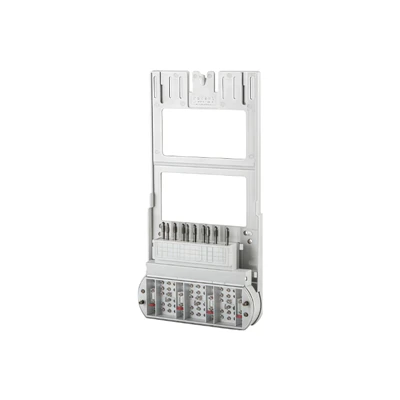
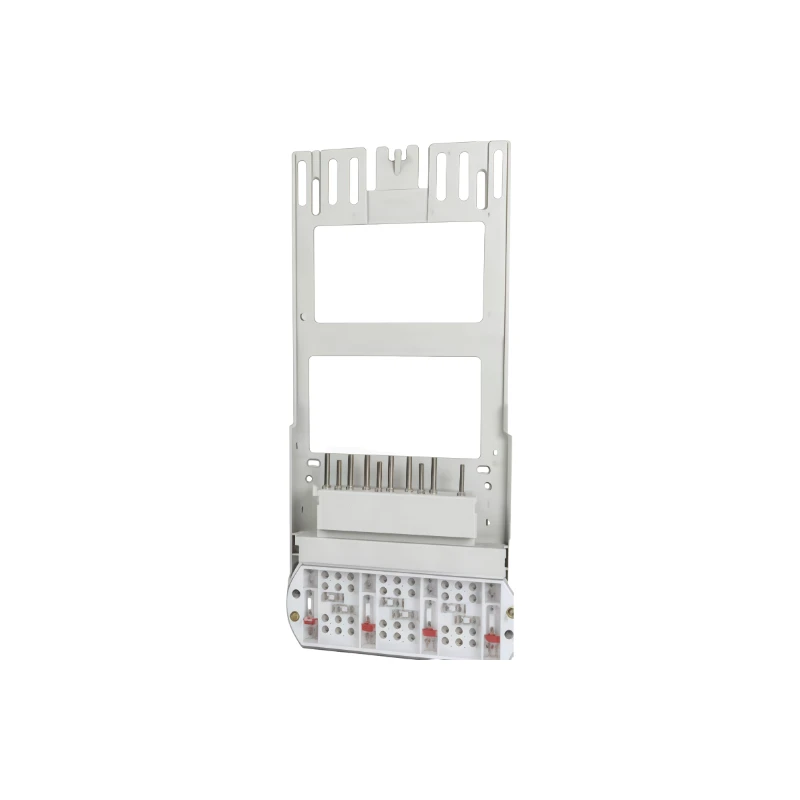
Most CT connectors are rated in terms of amperage. Common ratings include 5A, 6A, etc. For instance, our Three Phase CT Interference Connector 6A is designed to handle a current of up to 6A. This rating ensures that it can be used in systems where the current levels are within this range without causing any issues.

Voltage rating is also important. The connector should be able to withstand the voltage present in the electrical circuit. If the voltage is too high for the connector, it can cause insulation breakdown, which can lead to short - circuits and other problems.
Physical Dimensions
Another key factor in compatibility is the physical size of the CT connector. It needs to fit properly with the other electrical components it's being connected to. This includes the size of the terminals, the overall shape of the connector, and the spacing between the connection points.
For example, if you're connecting a CT connector to a meter, the connector's terminals should be the right size and shape to fit into the meter's connection sockets. If the dimensions are off, it can be difficult or impossible to make a proper connection. And a loose or improper connection can lead to poor electrical performance, such as increased resistance, which can cause power losses and inaccurate measurements.
Type of Connection
There are different types of CT connectors available, such as split connectors and non - split connectors. Split connectors are useful when you need to install or remove the CT without disconnecting the main electrical circuit. Our Three Phase CT Interference Split Connector 6A is a great example of a split connector.
On the other hand, non - split connectors provide a more permanent and secure connection. The choice between split and non - split connectors depends on the specific requirements of the electrical system. And of course, the other electrical components need to be compatible with the type of connection offered by the CT connector.
Compatibility with Different Electrical Components
Let's take a look at how CT connectors are compatible with some common electrical components.
Meters
CT connectors are commonly used to connect current transformers to meters. Meters are used to measure various electrical parameters, such as current, power, and energy. The CT connector needs to be compatible with the meter in terms of electrical ratings and physical dimensions.
Most modern meters have standardized connection points, which makes it easier to find a compatible CT connector. However, it's still important to check the specifications of both the meter and the CT connector to ensure a proper fit.
Relays
Relays are used for protection and control in electrical systems. They are designed to detect abnormal electrical conditions and take appropriate action, such as tripping a circuit breaker. CT connectors are used to connect current transformers to relays so that the relays can monitor the current levels in the circuit.
The compatibility between CT connectors and relays is similar to that with meters. The electrical ratings need to match, and the physical connection needs to be secure.
Circuit Breakers
Although CT connectors are not directly connected to circuit breakers in most cases, the current transformers they are associated with play a role in the operation of circuit breakers. The current transformers provide the necessary current information to the protection relays, which can then trip the circuit breaker in case of an overload or short - circuit.
So, indirectly, the compatibility of CT connectors with the overall electrical system, including circuit breakers, is crucial for the proper functioning of the protection system.
Ensuring Compatibility
As a supplier, I always recommend that customers carefully review the specifications of both the CT connectors and the other electrical components they plan to use. Here are some steps to ensure compatibility:
- Check the Electrical Ratings: Make sure the current and voltage ratings of the CT connector match those of the other components.
- Verify the Physical Dimensions: Measure the connection points of the other components and compare them to the dimensions of the CT connector.
- Consider the Type of Connection: Decide whether a split or non - split connector is more suitable for your application.
If you're not sure about the compatibility, don't hesitate to reach out for help. We have a team of experts who can assist you in choosing the right CT connector for your specific needs.
Conclusion
In conclusion, CT connectors can be compatible with other electrical components, but it's important to pay attention to electrical ratings, physical dimensions, and the type of connection. By choosing the right CT connector and ensuring compatibility, you can ensure the reliable and safe operation of your electrical system.
If you're in the market for CT connectors and want to discuss your requirements or have any questions about compatibility, feel free to get in touch. We're here to help you find the best solutions for your electrical needs. Whether you need a Three Phase CT Clearance Connector 6A or a Three Phase CT Clearance Split Connector 6A, we've got you covered.
References
- "Electrical Connector Handbook", McGraw - Hill
- "Power System Protection and Switchgear", Pearson Education