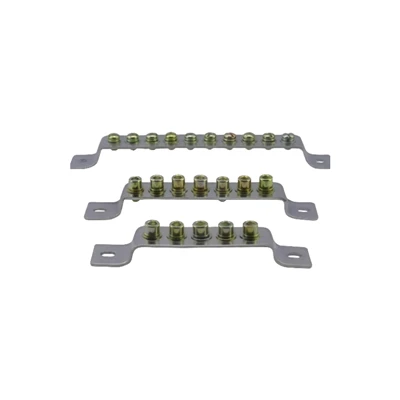






In the realm of electrical systems, grounding is a fundamental aspect that ensures safety, stability, and proper functioning. A Twenty Circuit Repeatable Grounding Box plays a crucial role in managing multiple grounding circuits efficiently. In this blog, we will delve into the grounding isolation performance of a Twenty Circuit Repeatable Grounding Box, exploring its significance, key factors, and how it compares to other related products.
Understanding Grounding Isolation
Grounding isolation refers to the ability of a grounding system to separate electrical currents and prevent unwanted interference between different circuits. In a complex electrical setup, multiple circuits can generate electromagnetic fields and electrical noise that may affect the performance of other circuits. A well-designed grounding isolation system helps to minimize these issues by providing a clear path for electrical currents to flow safely to the ground, while also isolating the circuits from each other.


The Role of a Twenty Circuit Repeatable Grounding Box
A Twenty Circuit Repeatable Grounding Box is a specialized device that is designed to handle up to twenty grounding circuits. It provides a centralized location for grounding connections, making it easier to manage and maintain the grounding system. The repeatable design of the box allows for consistent and reliable grounding connections, ensuring that each circuit is properly grounded and isolated from the others.
One of the key benefits of a Twenty Circuit Repeatable Grounding Box is its ability to improve grounding isolation performance. By providing a dedicated grounding path for each circuit, the box helps to reduce the risk of electrical interference and cross-talk between circuits. This is particularly important in applications where sensitive electronic equipment is used, as even small amounts of electrical noise can cause malfunctions or errors.
Key Factors Affecting Grounding Isolation Performance
Several factors can affect the grounding isolation performance of a Twenty Circuit Repeatable Grounding Box. These include:
- Conductor Material and Size: The material and size of the conductors used in the grounding system can have a significant impact on its performance. Copper is a commonly used conductor material due to its high conductivity and low resistance. The size of the conductors should be selected based on the current-carrying capacity of the circuits and the length of the grounding path.
- Grounding Resistance: The grounding resistance of the system is another important factor. A low grounding resistance ensures that electrical currents can flow easily to the ground, reducing the risk of electrical shock and equipment damage. The grounding resistance should be measured regularly to ensure that it remains within acceptable limits.
- Shielding and Insulation: Proper shielding and insulation of the grounding conductors can help to reduce electromagnetic interference and improve grounding isolation performance. Shielded conductors can prevent electrical noise from entering or leaving the grounding system, while insulation helps to prevent short circuits and electrical leakage.
- Installation and Maintenance: The installation and maintenance of the Twenty Circuit Repeatable Grounding Box are also crucial for its performance. The box should be installed in a dry, well-ventilated area and should be properly grounded. Regular maintenance, including inspection and testing of the grounding connections, can help to ensure that the system remains in good working condition.
Comparison with Other Related Products
To better understand the grounding isolation performance of a Twenty Circuit Repeatable Grounding Box, it is useful to compare it with other related products. For example, a Two Inlet Six Outlet Neutral Box is designed to handle a smaller number of circuits and may not provide the same level of grounding isolation as a Twenty Circuit Repeatable Grounding Box. Similarly, a Twenty Four Circuit Repeatable Grounding Box can handle more circuits but may have different design features and performance characteristics.
Another related product is the Two Inlet Twenty Four Outlet Neutral Box. This box is designed to provide a neutral connection for multiple circuits and may not be specifically optimized for grounding isolation. However, it can be used in conjunction with a Twenty Circuit Repeatable Grounding Box to provide a comprehensive grounding and neutralization solution.
Real-World Applications
The grounding isolation performance of a Twenty Circuit Repeatable Grounding Box is particularly important in a variety of real-world applications. These include:
- Industrial Facilities: In industrial settings, where large amounts of electrical equipment are used, a reliable grounding system is essential for safety and proper operation. A Twenty Circuit Repeatable Grounding Box can help to manage the grounding of multiple circuits, reducing the risk of electrical interference and equipment damage.
- Data Centers: Data centers house a large number of servers and other electronic equipment that require a stable and reliable power supply. A well-designed grounding system can help to protect the equipment from electrical surges and interference, ensuring the integrity of the data.
- Telecommunication Networks: Telecommunication networks rely on a complex system of cables and equipment to transmit data. A proper grounding system can help to prevent electrical interference and signal degradation, ensuring the quality of the communication.
Conclusion
In conclusion, the grounding isolation performance of a Twenty Circuit Repeatable Grounding Box is a critical factor in ensuring the safety and proper functioning of electrical systems. By providing a centralized location for grounding connections and isolating the circuits from each other, the box helps to reduce the risk of electrical interference and cross-talk. Key factors such as conductor material and size, grounding resistance, shielding and insulation, and installation and maintenance all play a role in determining the performance of the box.
If you are in need of a reliable grounding solution for your electrical system, we invite you to contact us for more information. Our team of experts can help you select the right Twenty Circuit Repeatable Grounding Box for your specific needs and provide you with professional installation and maintenance services.
References
- Electrical Engineering Handbook, Third Edition, edited by Richard C. Dorf
- National Electrical Code (NEC), latest edition